
CapeNature honours its firefighters ahead of International Firefighters' Day
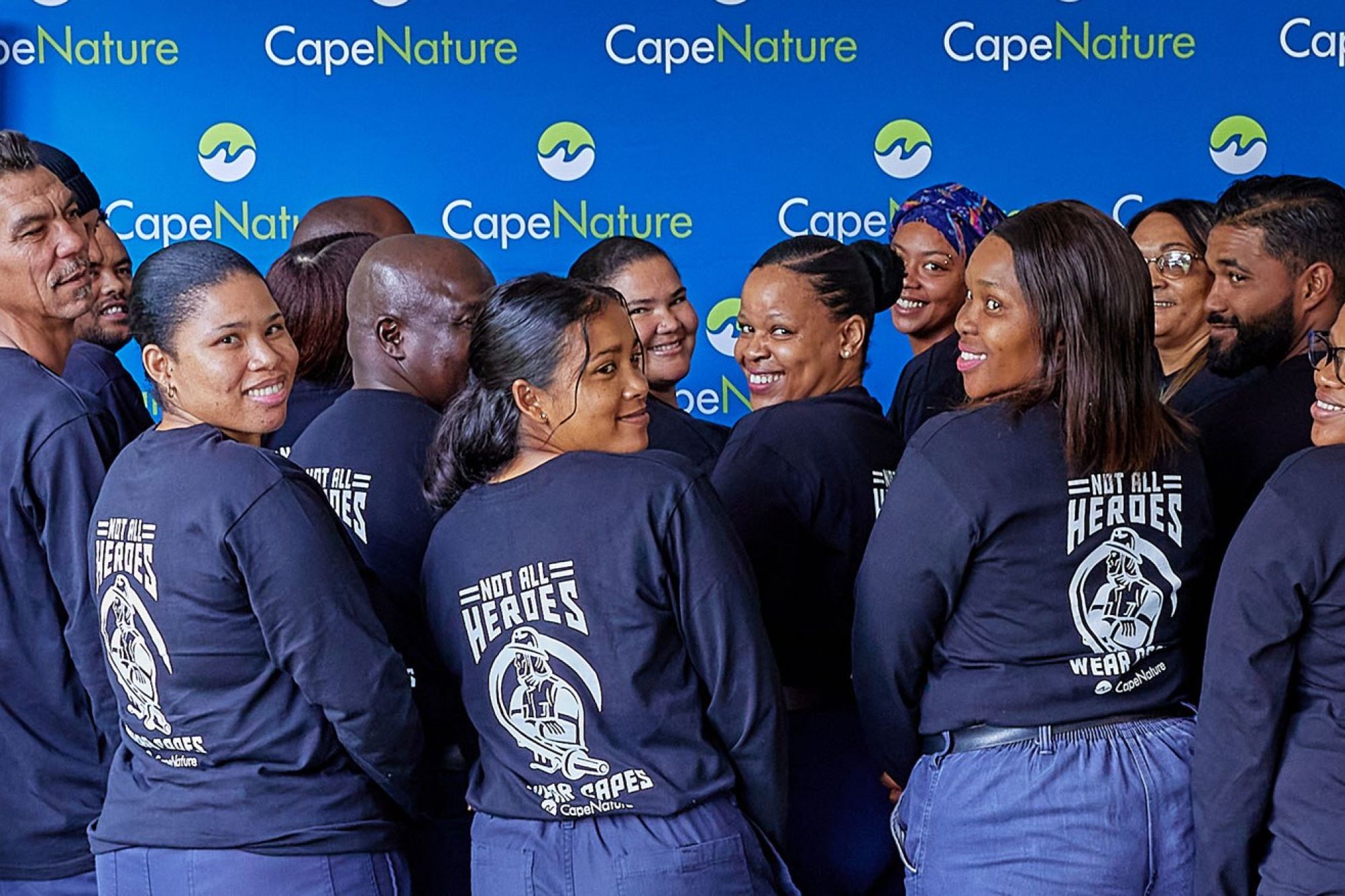
On 30 April 2024, CapeNature hosted a firefighters appreciation event at Assegaaibosch Nature Reserve to honour the brave men and women who were on the frontlines during the Western Cape’s fire season.
A representative group of firefighters attended the event on behalf of CapeNature’s 240 firefighters. Despite facing extreme heat and challenging terrain, the firefighters worked together seamlessly, never once wavering in their commitment to protect land and communities. Their tireless work helped to prevent costly damage to property and infrastructure and ensured damage to sensitive biodiversity was kept to a minimum.
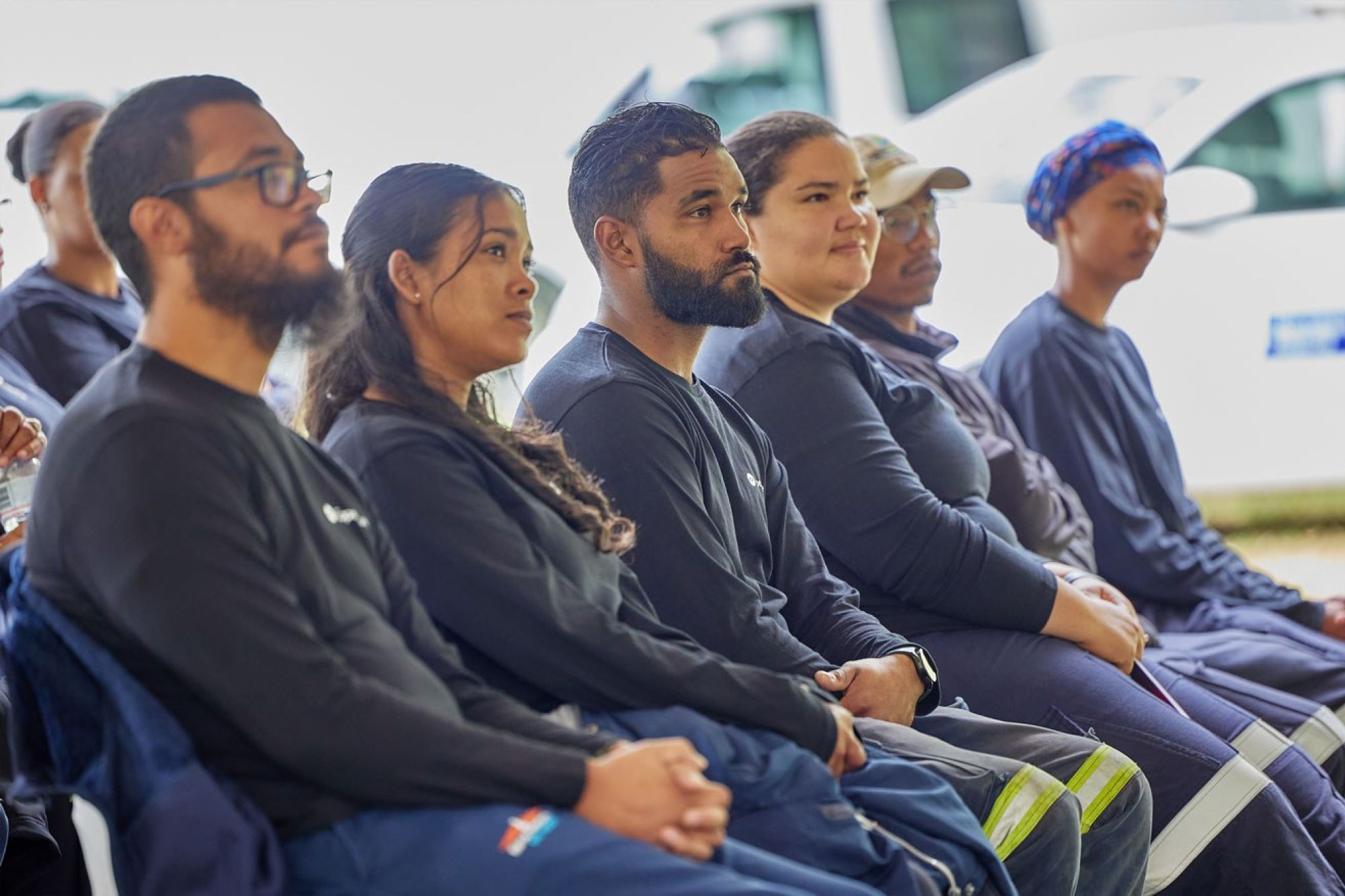
The event also recognised International Firefighters’ Day, held annually on 4 May, which highlights the important contributions of all personnel working in the fire services globally. In this spirit, CapeNature showed its appreciation to our partners who provided support and personnel during the course of the fire season.
These included the Cape Winelands District Municipality, Overberg District Municipality, West Coast District Municipality, NCC Environmental Services, Working on Fire, Provincial Disaster Management Centre, Cape Peninsula Fire Appreciation Association, Winelands Fire Appreciation Association, Greater Overberg Fire Appreciation Association, Greater Cederberg Fire Appreciation Association, and Volunteer Wildlife Services.
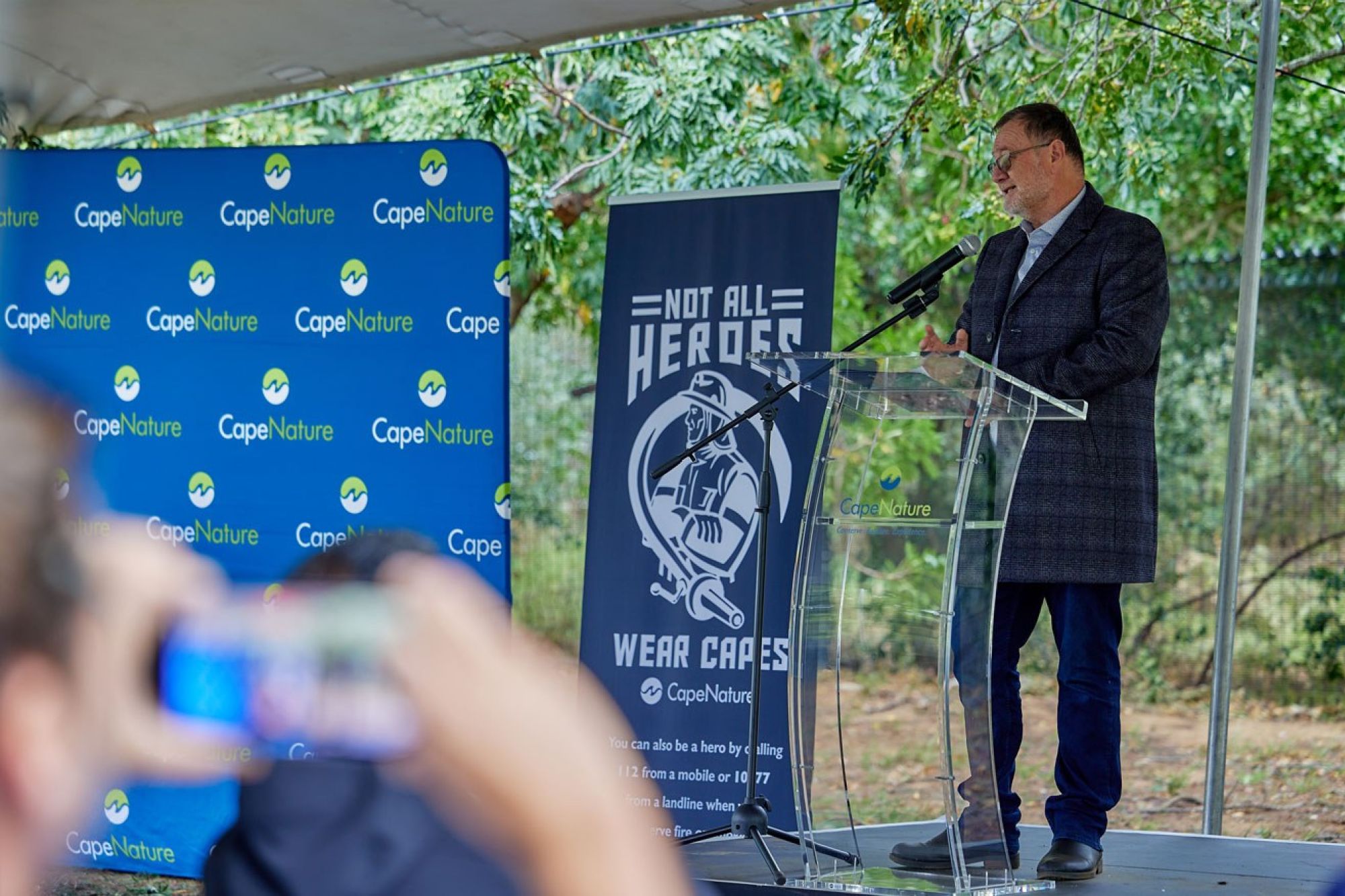
The representative group as well as the Entity’s partners were heralded for their services by Western Cape Minister for Local Government, Environmental Affairs and Development Planning Anton Bredell.
"The courage shown by the CapeNature staff is truly commendable. Their efforts have not only protected lives and property but have also helped preserve our natural heritage for future generations," remarked Minister Bredell.
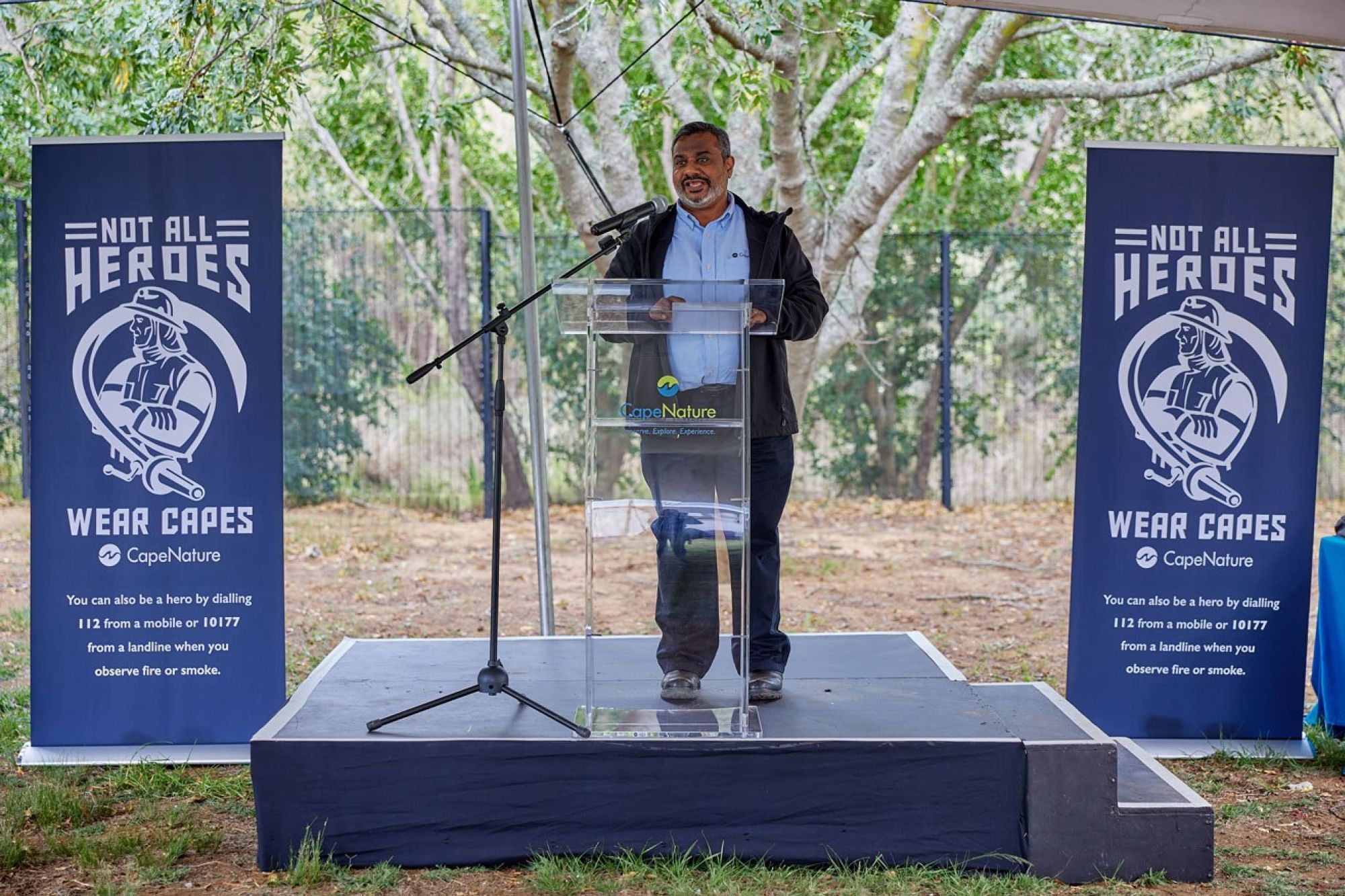
CapeNature CEO Dr Ashley Naidoo expressed his gratitude to the firefighters, saying, “The men and women in the fire services have worked resolutely to protect communities, biodiversity, and infrastructure. Without these brave firefighters, the devastation and destruction wrought by the recent fire season would have been on a much larger scale.”
The fire season typically runs from December through to April, while the 2023/2024 fire season was particularly challenging for firefighters across the province, with 135,000 ha that burned. CapeNature provided support to fires on 63,485 ha of land while 22,530 ha was on CapeNature land.
Related News

Robberg Nature Reserve named Best Outdoor Activity in 2026 Readers’ Choice Awards
Robberg Nature Reserve named Best Outdoor Activity in 2026 Readers’ Choice Awards. Robberg Nature Reserve has been named the Best Outdoor Activity in the Best of Knysna & Plett Readers’ Choice Awards 2026. The recognition follows months of nominations and voting by communities across Knysna, Plettenberg Bay and Sedgefield, making the award a meaningful reflection of the place Robberg holds in the local community.

CapeNature maintains clean audit record and expands the Western Cape’s Protected Areas
CapeNature's 2025/26 Annual Report shows the Entity added more than 44 000 hectares to the Western Cape conservation estate over the year. The additions extend protection across mountain catchments that feed the province's water supply, guarding them against the invasive plant growth and wildfire risk that threaten water security. Ultimately the protected areas expansion improves our ability to conserve the rich and unique Western Cape biodiversity.

WESSA recognises 62 Blue Flags and 19 Green Coast sites as South Africa marks 25 years of coastal stewardship
South Africa’s Blue Flag and Green Coast programmes are entering their next chapter with a renewed focus on environmental stewardship, inclusion, community participation and long-term coastal resilience, as WESSA, the Wildlife and Environment Society of South Africa, celebrates 25 years of Blue Flag in South Africa and its own centenary.

CapeNature visitors invited to support communities through new donation scheme
A visit to a CapeNature nature reserve can help a neighbour in need. From 5 October 2026, guests at three participating nature reserves can bring gently used clothing, blankets and other essential items for local non-profit organisations. The first phase of the donation scheme will run at Grootvadersbosch Nature Reserve near Heidelberg, Kogelberg Nature Reserve near Kleinmond, and Cederberg Wilderness Nature Reserve near Clanwilliam.

Radio network upgrade to strengthen emergency communication in Hangklip area
CapeNature and Overstrand Municipality will install a small radio repeater station near Hangklip Peak as part of an upgrade to the region’s radio communication network. The repeater will strengthen the communication networks used by both parties and improve coverage across the Overstrand municipal area, Kogelberg Nature Reserve, Betty’s Bay Marine Protected Area and parts of the City of Cape Town. Reliable radio communication is essential for the daily operations of

State of Conservation Report 2026 tracks progress and pressures facing Western Cape biodiversity
The Western Cape’s biodiversity is facing mounting pressure, with a sharp increase in the area affected by fires and more ecosystems and species classified as threatened, according to the Western Cape State of Conservation Report 2026. The report records 107 fires that burned 215 936 hectares during the 2025/26 reporting period – almost three times the 75 174 hectares burned by 97 fires in the previous reporting period.