
New population of Critically Endangered Northern moss frog discovered in Groot Winterhoek Wilderness Area
A new and healthy sub-population of the Critically Endangered, Northern moss frog was recently discovered in the far south of the Groot Winterhoek Wilderness Area during a targeted biodiversity survey. With a maximum size of only 14mm, the Northern moss frog, Arthroleptella subvoce, was previously known from only three locations in South Africa, all within the mountains of the Groot Winterhoek Reserve and Wilderness Area. |
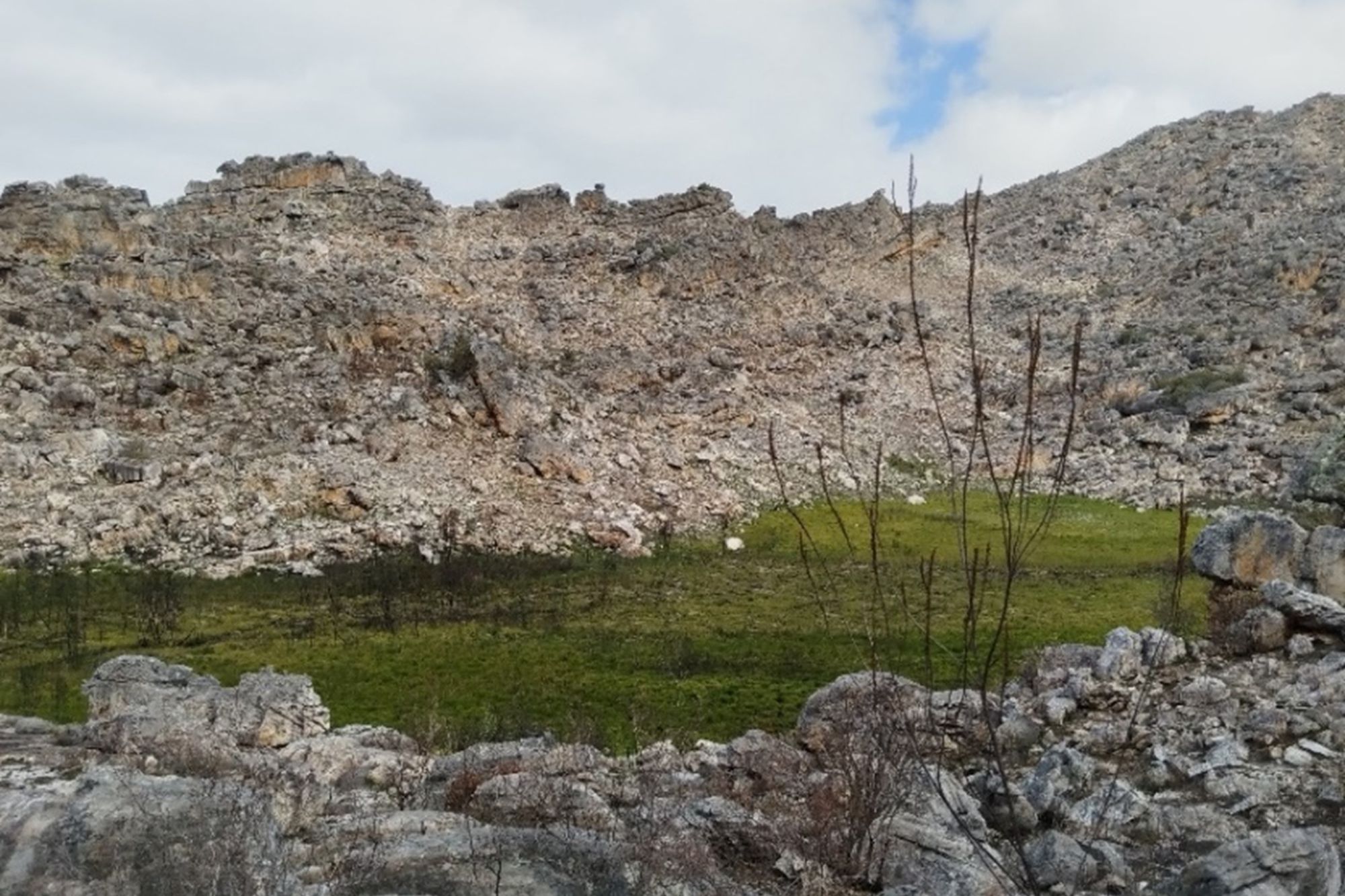
The seep which is home to the largest known on-reserve A. subvoce population. Some vegetation regrowth is visible five months after the fire.
Related News

State of Conservation Report 2026 tracks progress and pressures facing Western Cape biodiversity
The Western Cape’s biodiversity is facing mounting pressure, with a sharp increase in the area affected by fires and more ecosystems and species classified as threatened, according to the Western Cape State of Conservation Report 2026. The report records 107 fires that burned 215 936 hectares during the 2025/26 reporting period – almost three times the 75 174 hectares burned by 97 fires in the previous reporting period.

Western Cape to benefit from CapeNature’s 2026 Greening Initiative
CapeNature is launching a fun and engaging greening competition for schools and communities across the Western Cape. The competition will start on 13 April 2026 to coincide with International Plant Appreciation Day and will run until 15 May 2026. The initiative aims to inspire learners and community members to actively participate in protecting the environment.

CapeNature goes cashless at select nature reserves
In line with its commitment to service excellence, sustainability, and safety, CapeNature is excited to announce the transition to a fully cashless payment system at five of its flagship nature reserves from 2 February 2026. The move will streamline operations, reduce queue times, and enhance the visitor experience while reducing the risks associated with cash handling.

Fire Season Update – What to do if you encounter wildlife affected by fire
As the Western Cape continues to experience an intense and extended wildfire season, CapeNature is urging the public to act responsibly and lawfully when encountering wildlife affected by fires. We remind members of the public that our unique fynbos ecosystem is adapted to fire, and it is a natural and necessary ecological process for fynbos.

Avian Influenza detected in Western Cape: Public urged to stay alert, not alarmed
High pathogenicity avian influenza (HPAI or “bird flu”) is a viral disease of birds that can also, on rare occasions, infect humans and mammals. The virus spreads through bird faeces and droplets from the nose and mouth, and is present in other body fluids and tissues of dead birds. The disease can cause high mortality rates in domestic poultry.

2025 Conservation Review Highlights Biodiversity
CapeNature showcased its significant achievements in conservation operations and exceptional biodiversity protection over the past year.