
CapeNature reserves now open for overnight bookings
CapeNature is pleased to announce the reopening of overnight stays for self-catering accommodation, camping, selected overnight hiking trails and eco-venues from Friday, 7 August 2020. This comes of the announcement by Tourism Minister Mmamoloko Kubayi-Ngubane’s that South Africans will be allowed to travel for leisure again within their respective provinces.


Minister of Local Government, Environmental Affairs and Development Planning, Mr. Anton Bredell says “The easing of national lockdown regulations comes as a huge relief for CapeNature and the Western Cape travel and tourism sector as a whole, who are finally able to open their doors again for overnight stays.”
With the safety of visitors and staff remaining a top priority, all visitors entering a controlled CapeNature reserve entrance gate will be subjected to a screening process upon arrival. This will include the mandatory completion of a 4-step check-in process for the safety of all our visitors. This process will involve the compulsory sanitising of hands, wearing of masks, temperature checks and completion of a quick “Visitor Access Register”. A compulsory 5th step for all overnight visitors has been added, which is the completion of a “Visitor Screening Questionnaire”, for each person.
Dr. Razeena Omar, CapeNature Chief Executive Officer, reiterated, “We’re looking forward to welcoming our visitors for overnight stays again in line with the easing of regulations and following the strictest health protocols. This is certainly a step in the right direction as the tourism sector has taken a massive knock and the livelihoods of many, including our own staff, have been affected. This is an opportunity for us to generate much needed revenue and to add value again to the Western Cape economy”.
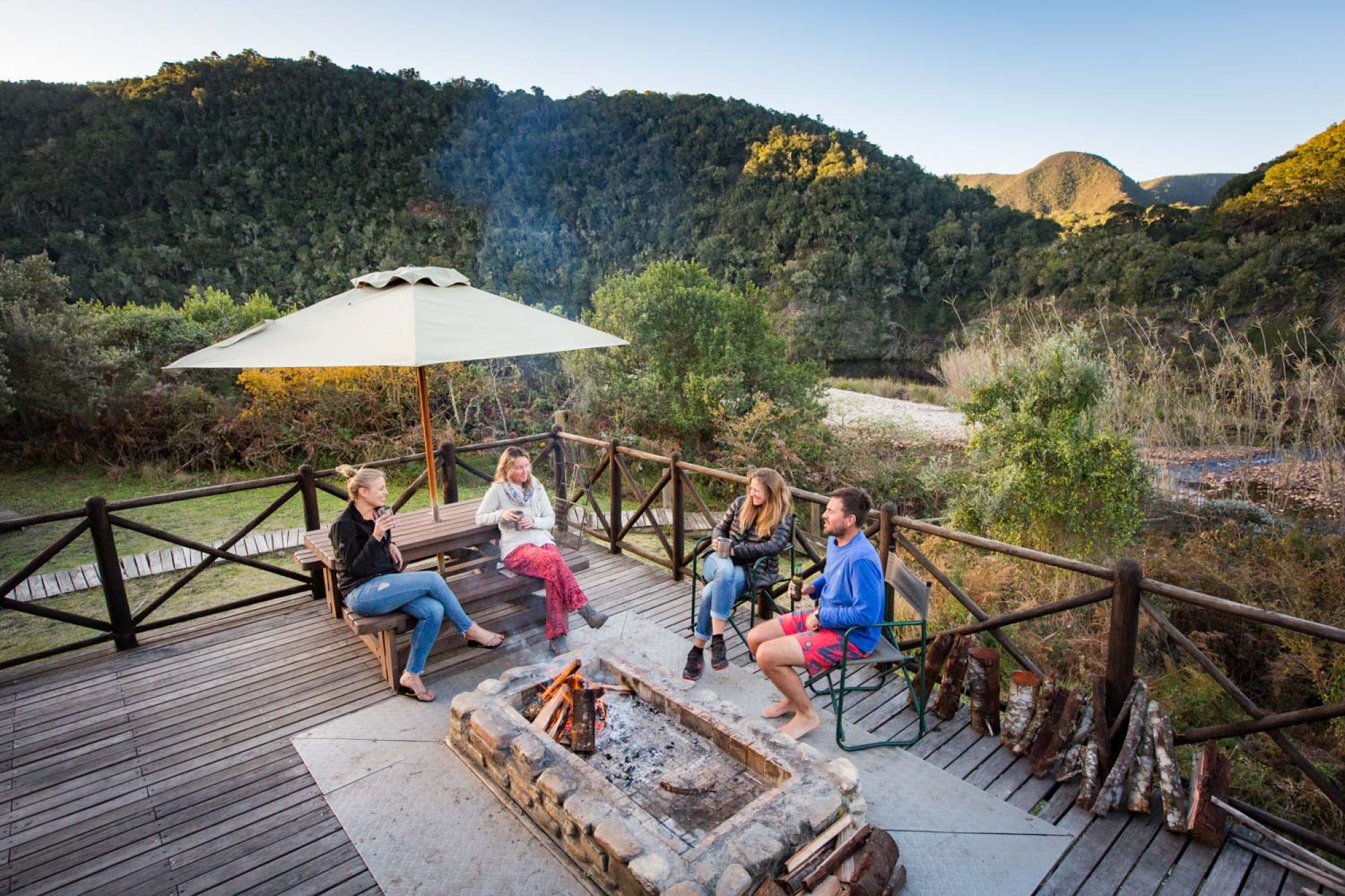
The entity will momentarily close some of our tourism products and conditions such as 50% occupancy for dormitory-style accommodation, will apply to certain tourism products, due to the strict social distancing protocols. In addition, picnicking and selected activities on reserves will not be permitted.
How do I know if the tourism product is momentarily closed?
A list of all available and closed tourism products until further notice will be regularly updated here. Please familiarise yourself with our ‘Frequently Asked Questions’ prior to planning your trip.
How to make a booking for overnight tourism facilities
All visitors wanting to make a booking are encouraged to make use of the online booking portal or to speak directly to a customer service agent on 087 087 8250.
Related News

WESSA recognises 62 Blue Flags and 19 Green Coast sites as South Africa marks 25 years of coastal stewardship
South Africa’s Blue Flag and Green Coast programmes are entering their next chapter with a renewed focus on environmental stewardship, inclusion, community participation and long-term coastal resilience, as WESSA, the Wildlife and Environment Society of South Africa, celebrates 25 years of Blue Flag in South Africa and its own centenary.

CapeNature visitors invited to support communities through new donation scheme
A visit to a CapeNature nature reserve can help a neighbour in need. From 5 October 2026, guests at three participating nature reserves can bring gently used clothing, blankets and other essential items for local non-profit organisations. The first phase of the donation scheme will run at Grootvadersbosch Nature Reserve near Heidelberg, Kogelberg Nature Reserve near Kleinmond, and Cederberg Wilderness Nature Reserve near Clanwilliam.

Radio network upgrade to strengthen emergency communication in Hangklip area
CapeNature and Overstrand Municipality will install a small radio repeater station near Hangklip Peak as part of an upgrade to the region’s radio communication network. The repeater will strengthen the communication networks used by both parties and improve coverage across the Overstrand municipal area, Kogelberg Nature Reserve, Betty’s Bay Marine Protected Area and parts of the City of Cape Town. Reliable radio communication is essential for the daily operations of

State of Conservation Report 2026 tracks progress and pressures facing Western Cape biodiversity
The Western Cape’s biodiversity is facing mounting pressure, with a sharp increase in the area affected by fires and more ecosystems and species classified as threatened, according to the Western Cape State of Conservation Report 2026. The report records 107 fires that burned 215 936 hectares during the 2025/26 reporting period – almost three times the 75 174 hectares burned by 97 fires in the previous reporting period.

El Niño raises fire risk as Western Cape prepares for a challenging fire season
The Western Cape is preparing for a potentially challenging wildfire season, with the developing El Niño weather pattern expected to contribute to hotter and drier conditions and an increased risk of wildfires across the province. The South African Weather Service has warned of below-normal rainfall associated with the expected strong El Niño during the coming summer season. While El Niño does not automatically mean that every part of the province will experience drought

Cape fur seal safety remains important this World Rabies Day
On World Rabies Day (28 September), CapeNature is reminding residents and visitors to keep a safe distance from Cape fur seals and to act immediately if they or their pets are bitten, scratched or exposed to a seal’s saliva. Rabies has been detected in Cape fur seals along the South African coastline and by the end of 2025, at least 176 people had been bitten by seals. While most seals do not pose a threat to people, they are wild animals and should never be approached, touched, fed or encouraged to interact with humans.