CapeNature’s Tourism Month Celebration Shines the Spotlight on Investing in People, the Planet and Prosperity
The United Nations’ World Tourism Organisations (UNWTO) theme for International Tourism Month is, “Tourism and Green Investments”. This is a perfect fit for CapeNature, a trailblazer in developing award-winning eco-tourism infrastructure within protected areas. This year, Tourism Month has the ideal start as the entity hosts an event with likeminded stakeholders where a lively debate on the theme will spark food for thought.
CapeNature heeded a call for action by UNWTO to unite around rethinking tourism by hosting an event with key stakeholders and partners with an interest in eco-tourism. A debate on tourism and green investments was facilitated by Jo-Ann Strauss, renowned businesswoman and media personality, with expert panel members Sheraaz Ismail, Executive Director for Eco-Tourism and Access at CapeNature, Odile Hufkie, Marketing Manager for Cape Union Mart, Lillian Hlabangane, Head of Sales from Cape Town International Conference Centre, Julia Louw, Head of Leisure Tourism from Wesgro and Ilse van Schalkwyk, Chief Director for Economic Sector Support from the Department of Economic Development and Tourism.
CapeNature’s tourism development projects are carefully planned to minimise and mitigate environmental impacts while also optimising the use of green building technology. The entity’s post COVID-19 revenue performance has for the past two financial years set unprecedented records in revenue generation with a year-on-year growth of nearly 20%.
Minister Anton Bredell, MEC for Local Government, Environmental Affairs and Development Planning, encourages the rechannelling of investments toward the betterment of humanity, our planet and shared prosperity: “Investing in our people is paramount. We need to nurture our workforce, enabling them with the skills, knowledge, and innovation required to propel our industry forward. We need to ensure that the tourism sector delivers on its responsibilities as a solution to the climate emergency. The green transformation of the tourism sector is very much needed, not just for the planet, but also for tourism itself, for boosting competitiveness and increasing resilience. Green investments and innovation in the tourism sector must play a leading role to support this transformation. Prosperity thrives on entrepreneurship and innovation and it's imperative that we foster a space where this can flourish. By increasing investments, particularly for our youth and women, we can catalyse new opportunities and innovations within the tourism sector.”
Dr Razeena Omar, CEO of CapeNature, welcomed the critical engagement between tourism industry role players. “We entered 2023 with strong support from our local and international visitors with tourist numbers increasing by a staggering 43% compared to the previous year, driven by an improved customer service model and innovative projects that have been pushing to excel visitor confidence. I am grateful to see our visitors continue to enjoy world-renown experiences in wide-open spaces right in our backyards.”
Tourism is one of the world’s leading employers. In 2019, the sector employed one in 10 people worldwide and has proven to be a tool for economic diversification and a major employment engine with a multiplier effect on other sectors that contribute to rural development. We need to invest in people by investing in education and skills. This will enable us to deliver on the sector’s potential to drive growth and opportunities for all.
CapeNature has upgraded existing tourism offerings and built new products by working closely with partners and stakeholders to ensure that we have a sustained growth path via a pipeline of products including public-private partnership opportunities, and green building technology practices. One of its nature reserves, Rocherpan, on the West Coast has gone completely off grid, embracing solar energy and mitigating loadshedding. This is a future consideration for a number of its reserves in the Western Cape.
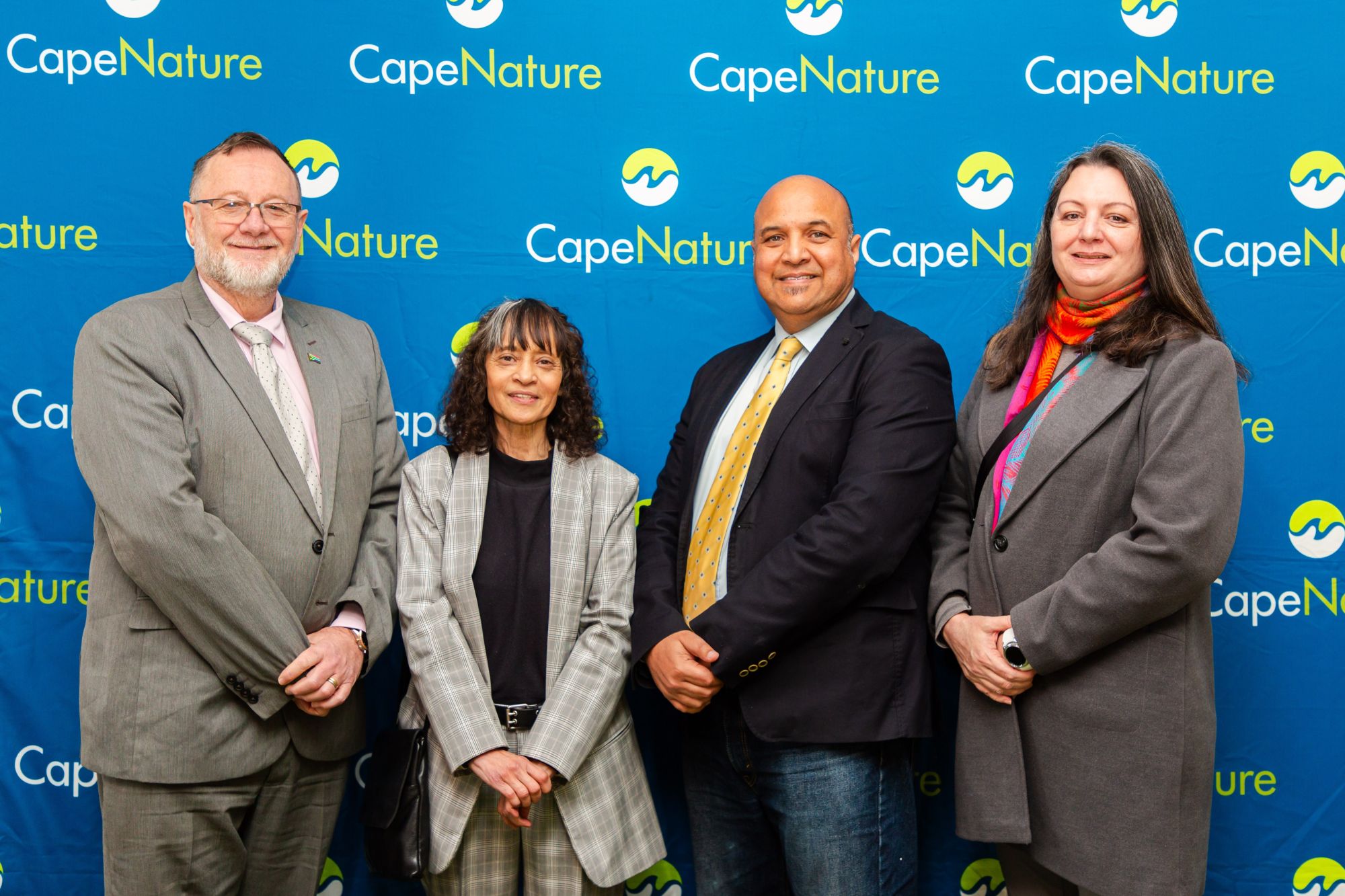
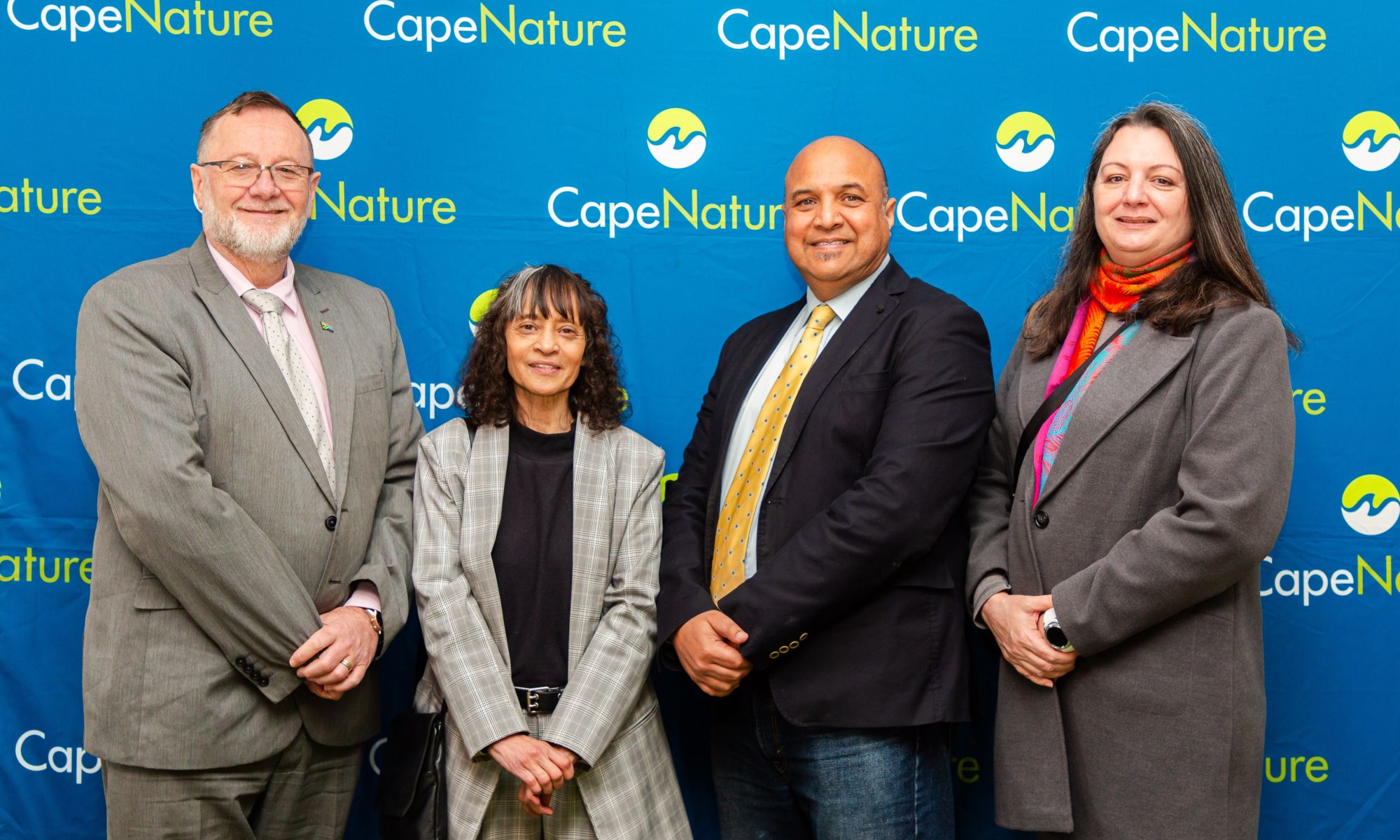
Minister Anton Bredell, MEC Local Government, Environmental Affairs and Development Planning, Dr Razeena Omar, CEO of CapeNature, Sheraaz Ismail, Executive Director, Eco-Tourism and Access, CapeNature and Coral Birss, Executive Director Biodiversity Capabilities, CapeNature.
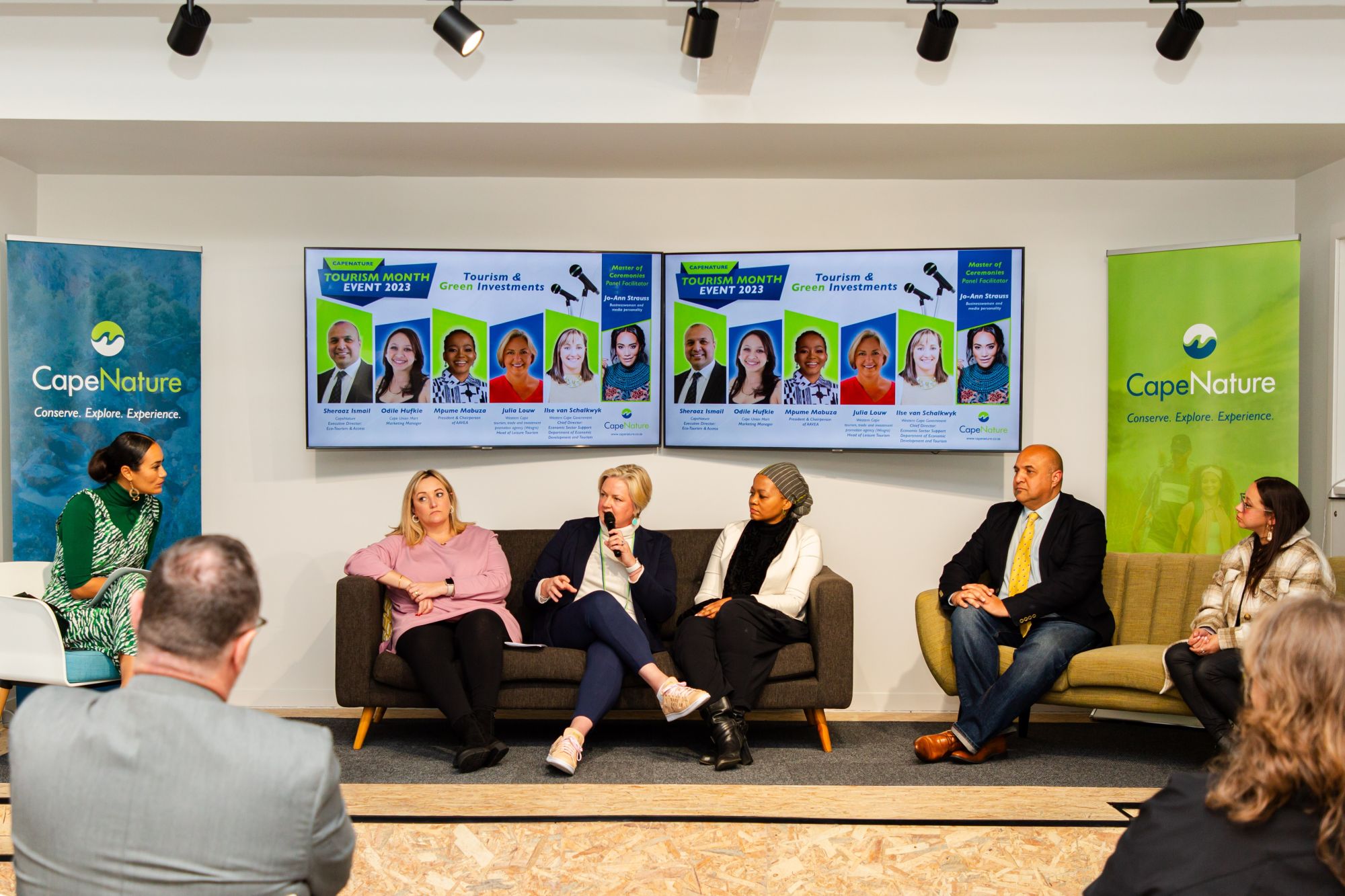
The panel discussing Tourism and Green Investments facilitated by Jo-Ann Strauss (far left) with Ilse van Schalkwyk, Chief Director for Economic Sector Support from the Department of Economic Development and Tourism, Julia Louw, Head of Leisure Tourism from Wesgro, Mpume Mabuza, African Association of Tourism Experiences and Attractions (AAVEA), Sheraaz Ismail, Executive Director for Eco-Tourism and Access, CapeNature and Odile Hufkie, Marketing Manager for Cape Union Mart.
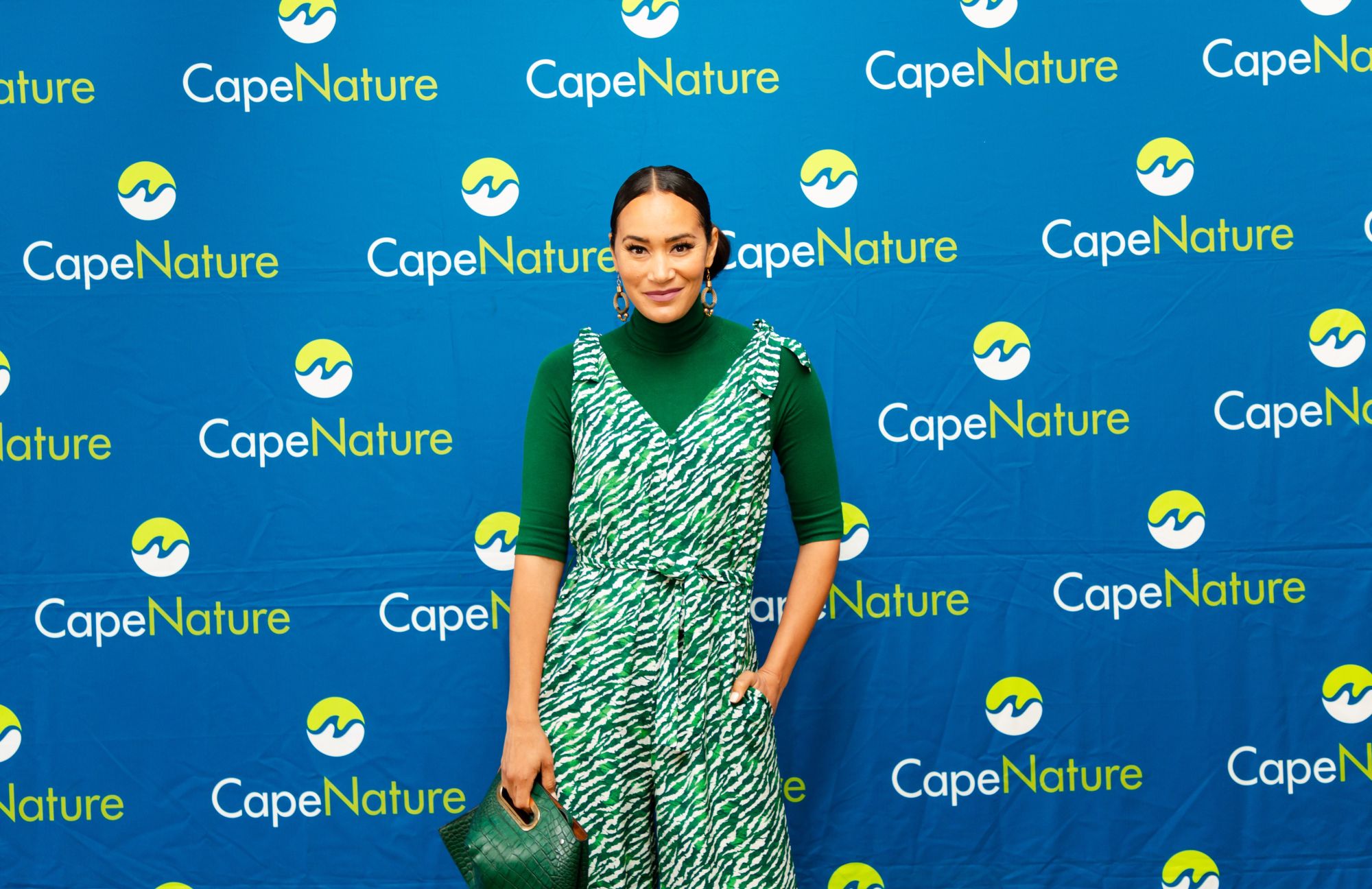
Jo-Ann Strauss, former Miss South Africa and well-known media personality was both the Emcee and Facilitator of the panel discussion at the World Tourism month event hosted by CapeNature.
Related News

Penguin Palooza 2026 returns to Stony Point in support of African Penguin conservation
Stony Point in Betty’s Bay is one of the last known locations on Earth where African Penguins still breed on the mainland, and the species is under growing pressure. On Saturday, 7 November 2026, Penguin Palooza returns to Stony Point Nature Reserve, giving the public a chance to learn about the species and the work CapeNature, SANCCOB and other partners are doing to protect it.

Robberg Nature Reserve named Best Outdoor Activity in 2026 Readers’ Choice Awards
Robberg Nature Reserve named Best Outdoor Activity in 2026 Readers’ Choice Awards. Robberg Nature Reserve has been named the Best Outdoor Activity in the Best of Knysna & Plett Readers’ Choice Awards 2026. The recognition follows months of nominations and voting by communities across Knysna, Plettenberg Bay and Sedgefield, making the award a meaningful reflection of the place Robberg holds in the local community.

CapeNature maintains clean audit record and expands the Western Cape’s Protected Areas
CapeNature's 2025/26 Annual Report shows the Entity added more than 44 000 hectares to the Western Cape conservation estate over the year. The additions extend protection across mountain catchments that feed the province's water supply, guarding them against the invasive plant growth and wildfire risk that threaten water security. Ultimately the protected areas expansion improves our ability to conserve the rich and unique Western Cape biodiversity.

WESSA recognises 62 Blue Flags and 19 Green Coast sites as South Africa marks 25 years of coastal stewardship
South Africa’s Blue Flag and Green Coast programmes are entering their next chapter with a renewed focus on environmental stewardship, inclusion, community participation and long-term coastal resilience, as WESSA, the Wildlife and Environment Society of South Africa, celebrates 25 years of Blue Flag in South Africa and its own centenary.

CapeNature visitors invited to support communities through new donation scheme
A visit to a CapeNature nature reserve can help a neighbour in need. From 5 October 2026, guests at three participating nature reserves can bring gently used clothing, blankets and other essential items for local non-profit organisations. The first phase of the donation scheme will run at Grootvadersbosch Nature Reserve near Heidelberg, Kogelberg Nature Reserve near Kleinmond, and Cederberg Wilderness Nature Reserve near Clanwilliam.

Radio network upgrade to strengthen emergency communication in Hangklip area
CapeNature and Overstrand Municipality will install a small radio repeater station near Hangklip Peak as part of an upgrade to the region’s radio communication network. The repeater will strengthen the communication networks used by both parties and improve coverage across the Overstrand municipal area, Kogelberg Nature Reserve, Betty’s Bay Marine Protected Area and parts of the City of Cape Town. Reliable radio communication is essential for the daily operations of