
Rare Erica species rediscovered after nearly four decades
After an unsuccessful search in 2012, the rare Erica cunoniensis was feared extinct, but in September 2025, a team of conservationists made a rediscovery of this Endangered plant species, found for the first time in nearly four decades.
CapeNature staff, in partnership with members of the Custodians of Rare and Endangered Wildflowers (CREW), embarked on a challenging expedition to conduct threatened flora monitoring in the Kogelberg Nature Reserve.
Kogelberg is known to contain around 1 800 plant species, of which 150 are only found within the reserve.
The team's persistence was rewarded with the rediscovery of eight Erica cunoniensis plants, confirming that even endangered species can survive with sustained conservation focus.
Sylvia Wolita, a Pupil Field Ranger at Kogelberg, made the pivotal first sighting of the elusive plant.
Finding a rare plant species is a reminder that nature is both fragile and resilient. The dedication of our field staff and partners helps us to achieve our mandate as custodians of the Western Cape’s incredible floral diversity.
The sighting was met with great excitement and is a reminder of the value of ongoing monitoring and conservation efforts. It also demonstrates the impact of collaborative fieldwork between CapeNature and citizen scientists through the CREW network.
By combining expertise, curiosity, and commitment, we’re able to make meaningful contributions to biodiversity knowledge and ensure that even the rarest species are not forgotten.
The rediscovery of Erica cunoniensis underscores the ecological significance of the Cape Floristic Region, which is recognised as one of the most biologically diverse regions on the planet. This region, located almost entirely within the Western Cape, is a biodiversity hotspot containing 13 489 recorded plant species, of which 6 776 (50.2%) are endemic to the province.
To ensure the hotspot and thus the exceptional biodiversity located within it remain conserved, CapeNature is involved in various management activities, including preventing fires, managing invasive species, and ensuring responsible tourism and appropriate urban development.
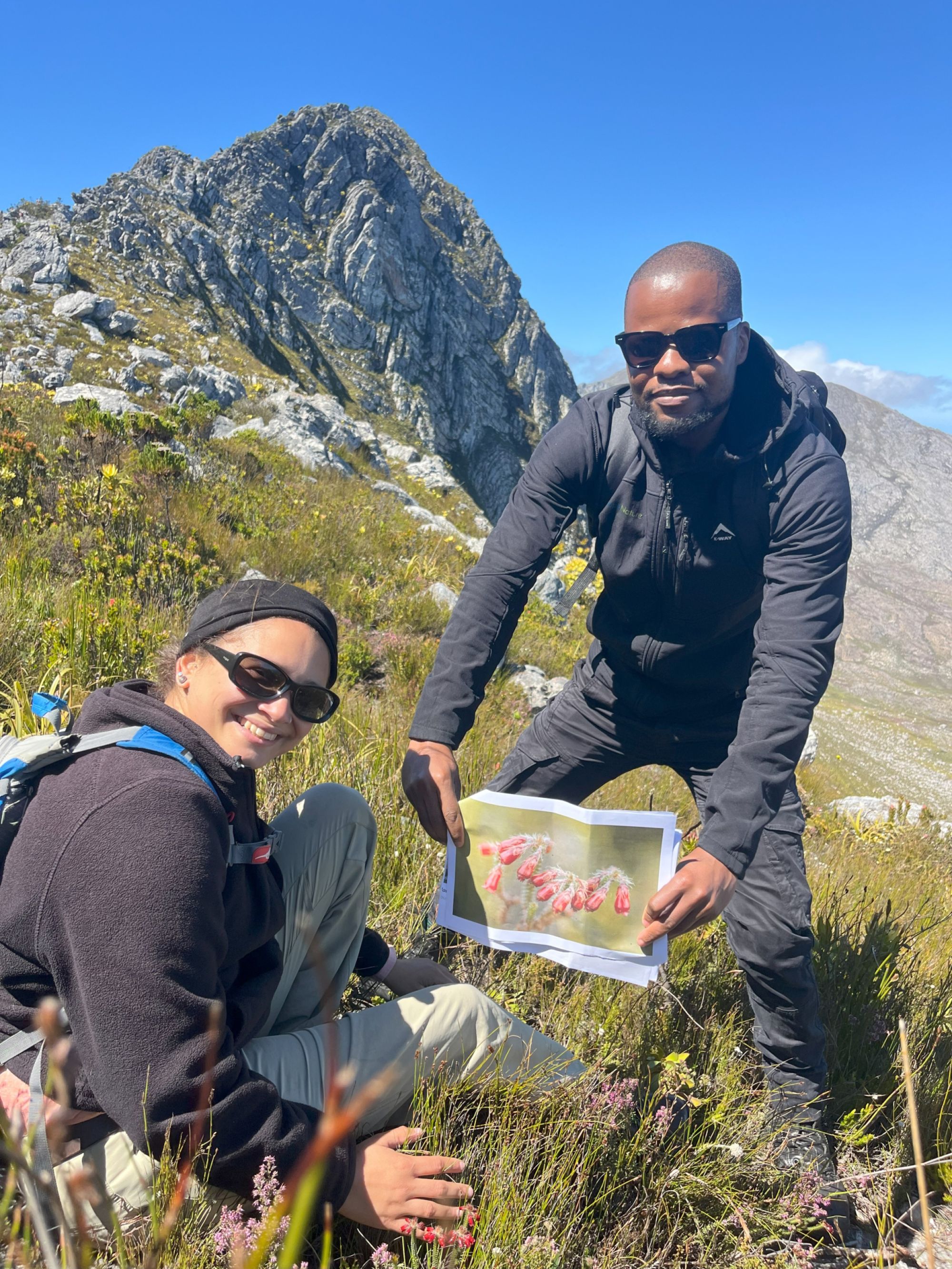
CapeNature's Takalani Makhomu and Cairestine Lottring share their excitement over the discovery.
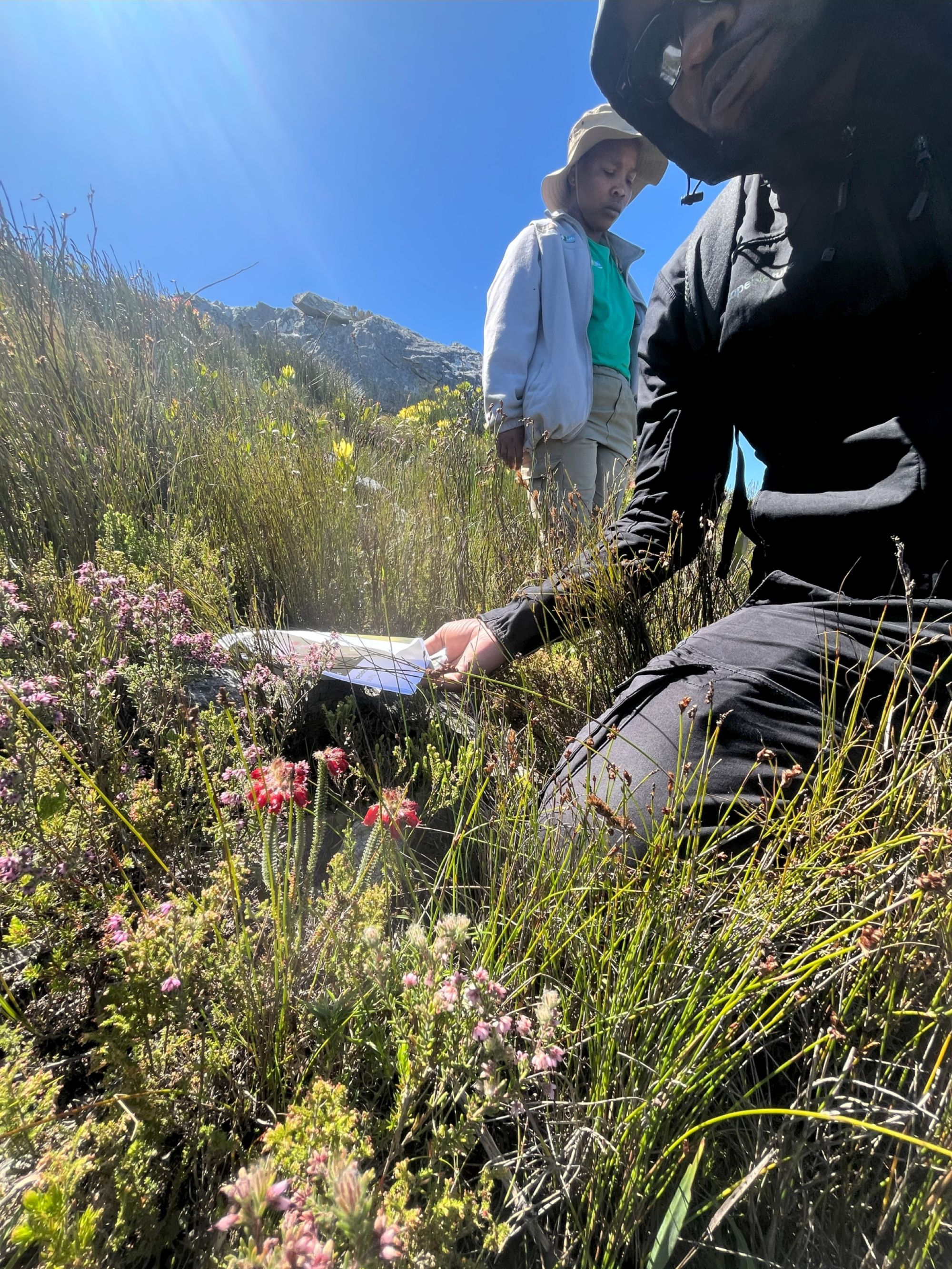
Takalani Makhomu takes a closer look at the find whilst Sylvia Wolita looks on as her find is confirmed.
Related News

WESSA recognises 62 Blue Flags and 19 Green Coast sites as South Africa marks 25 years of coastal stewardship
South Africa’s Blue Flag and Green Coast programmes are entering their next chapter with a renewed focus on environmental stewardship, inclusion, community participation and long-term coastal resilience, as WESSA, the Wildlife and Environment Society of South Africa, celebrates 25 years of Blue Flag in South Africa and its own centenary.

CapeNature visitors invited to support communities through new donation scheme
A visit to a CapeNature nature reserve can help a neighbour in need. From 5 October 2026, guests at three participating nature reserves can bring gently used clothing, blankets and other essential items for local non-profit organisations. The first phase of the donation scheme will run at Grootvadersbosch Nature Reserve near Heidelberg, Kogelberg Nature Reserve near Kleinmond, and Cederberg Wilderness Nature Reserve near Clanwilliam.

Radio network upgrade to strengthen emergency communication in Hangklip area
CapeNature and Overstrand Municipality will install a small radio repeater station near Hangklip Peak as part of an upgrade to the region’s radio communication network. The repeater will strengthen the communication networks used by both parties and improve coverage across the Overstrand municipal area, Kogelberg Nature Reserve, Betty’s Bay Marine Protected Area and parts of the City of Cape Town. Reliable radio communication is essential for the daily operations of

State of Conservation Report 2026 tracks progress and pressures facing Western Cape biodiversity
The Western Cape’s biodiversity is facing mounting pressure, with a sharp increase in the area affected by fires and more ecosystems and species classified as threatened, according to the Western Cape State of Conservation Report 2026. The report records 107 fires that burned 215 936 hectares during the 2025/26 reporting period – almost three times the 75 174 hectares burned by 97 fires in the previous reporting period.

El Niño raises fire risk as Western Cape prepares for a challenging fire season
The Western Cape is preparing for a potentially challenging wildfire season, with the developing El Niño weather pattern expected to contribute to hotter and drier conditions and an increased risk of wildfires across the province. The South African Weather Service has warned of below-normal rainfall associated with the expected strong El Niño during the coming summer season. While El Niño does not automatically mean that every part of the province will experience drought

Cape fur seal safety remains important this World Rabies Day
On World Rabies Day (28 September), CapeNature is reminding residents and visitors to keep a safe distance from Cape fur seals and to act immediately if they or their pets are bitten, scratched or exposed to a seal’s saliva. Rabies has been detected in Cape fur seals along the South African coastline and by the end of 2025, at least 176 people had been bitten by seals. While most seals do not pose a threat to people, they are wild animals and should never be approached, touched, fed or encouraged to interact with humans.