
Bringing Conservation to Life Through Storytelling, Film and Digital Media
When was the last time a film, photograph or story about nature made you stop and feel something?
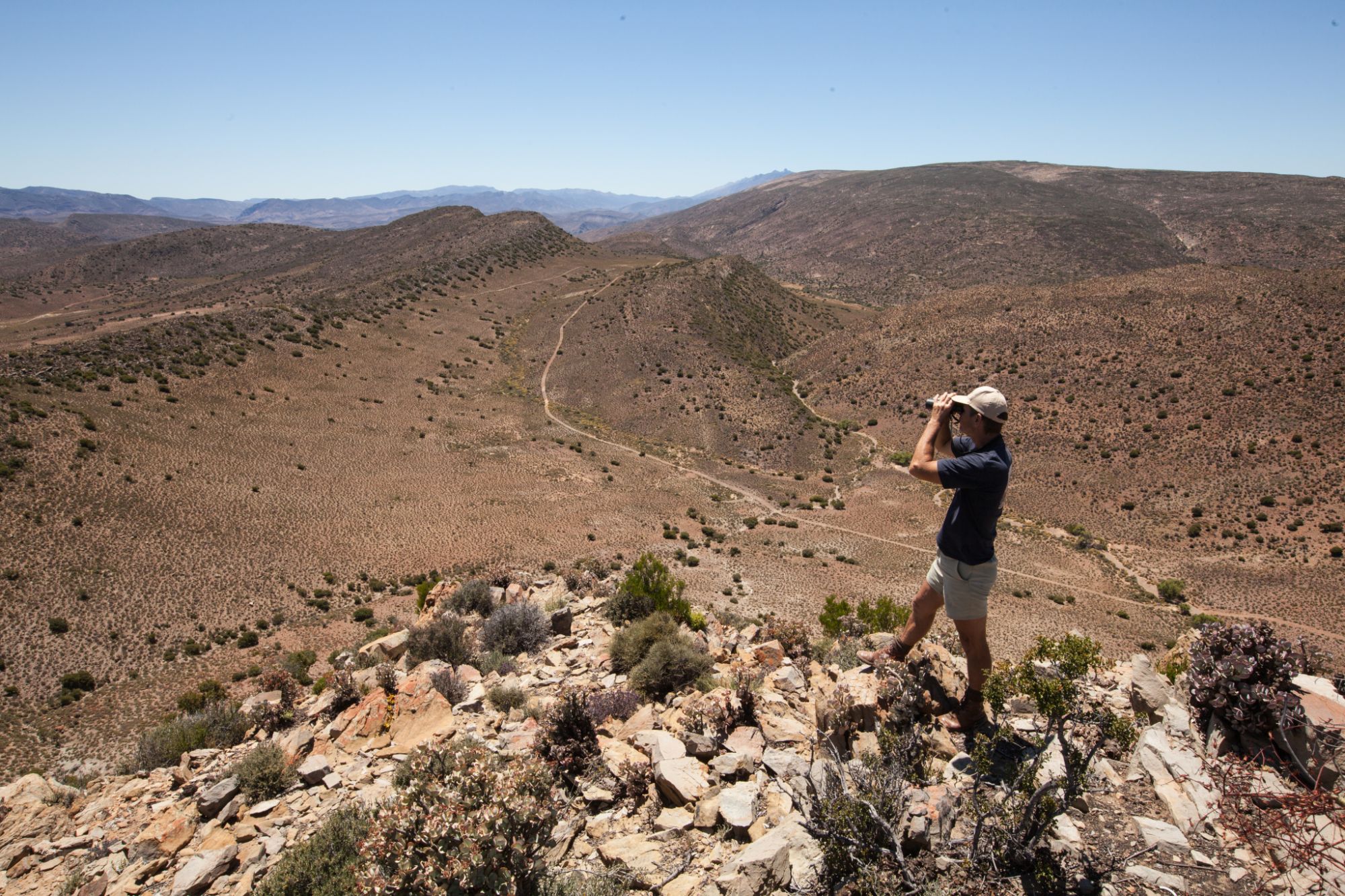
Perhaps it was a breathtaking wildlife documentary. A short social media reel that transported you to a mountain peak. A travel video that inspired your next adventure. Or a story that highlighted the impact of a wildfire and reminded you why conservation matters.
Every adventure has a story. Watch ours on our YouTube channel and subscribe for more.
These moments stay with us because stories have the power to create emotional connections. While people may forget facts and figures, they remember how a story made them feel. That is why storytelling has become one of the most powerful tools in conservation.
Conservation is more than protecting nature
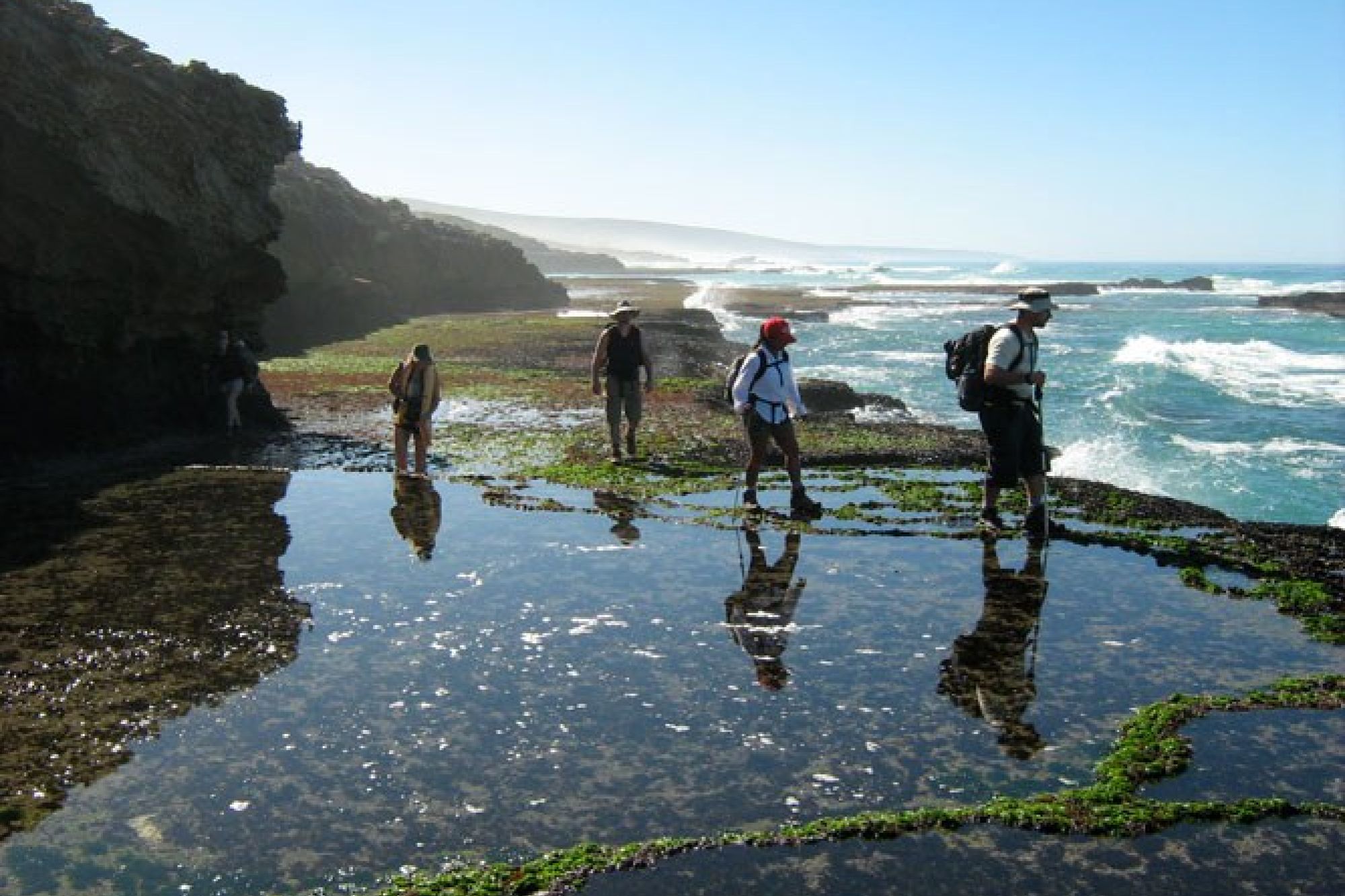
At CapeNature, conservation goes beyond protecting biodiversity. It is about creating meaningful experiences that connect people with nature. Sometimes, conservation is simply standing quietly in a beautiful landscape, breathing in fresh air, listening to birdsong and feeling a sense of peace that cannot easily be put into words.
The Western Cape is home to extraordinary natural spaces, with CapeNature managing 31 nature reserve complexes and offering tourism experiences across 25 nature reserves. These landscapes are filled with incredible biodiversity, rich history and unforgettable experiences waiting to be discovered.
Sharing these stories with both local and international audiences helps people appreciate that these remarkable places exist right on our doorstep.
The digital age has transformed conservation storytelling
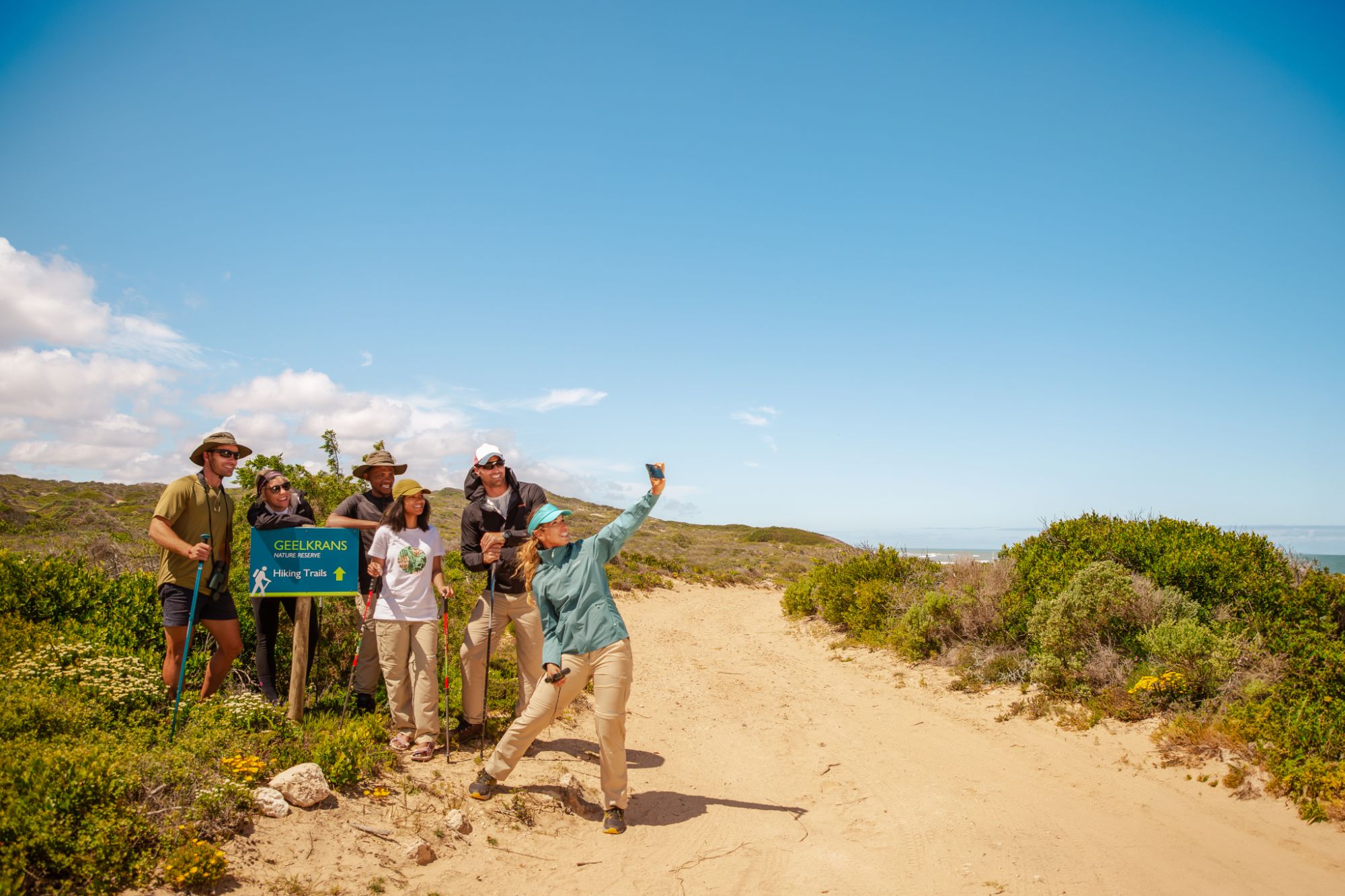
The way people discover and engage with nature has changed dramatically.
Today, stories travel further and faster than ever through:
- Film
- Social media
- Podcasts
- Documentary storytelling
- Digital travel content
A single authentic video can inspire someone to visit a nature reserve, learn about conservation or develop a deeper appreciation for protecting our natural world.
Digital platforms have made conservation more accessible, allowing people to experience nature from wherever they are while encouraging them to become part of the story.
Why authentic storytelling matters
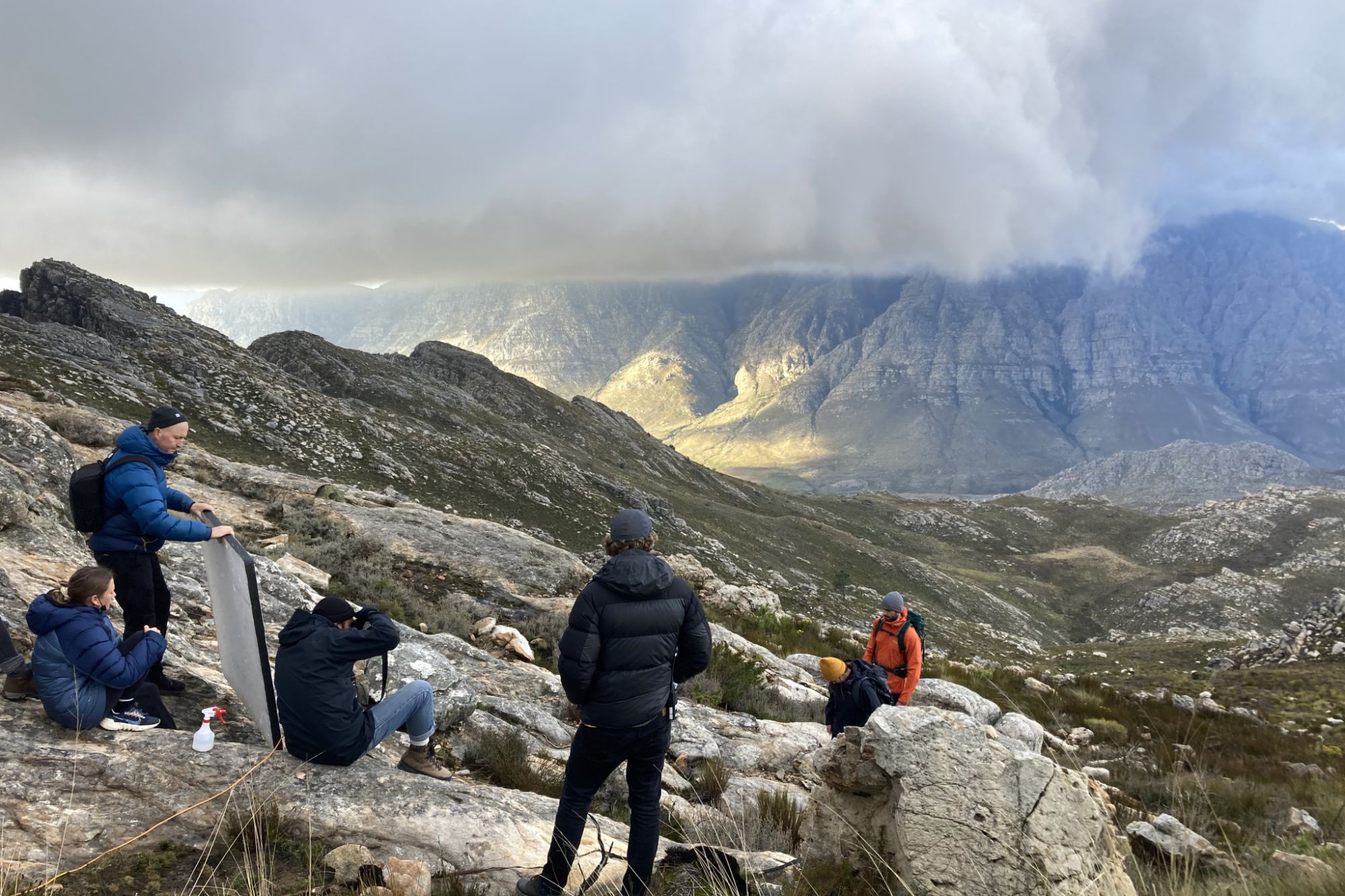
Modern audiences are looking for genuine experiences. They want destinations that feel real, stories with purpose and meaningful connections to people and the environment.
This is why conservation storytelling needs to be:
- Emotional
- Visual
- Authentic
- Purpose-driven
When stories are told with honesty, they have the ability to educate, inspire and motivate action in ways that traditional marketing often cannot.
More than a filming location
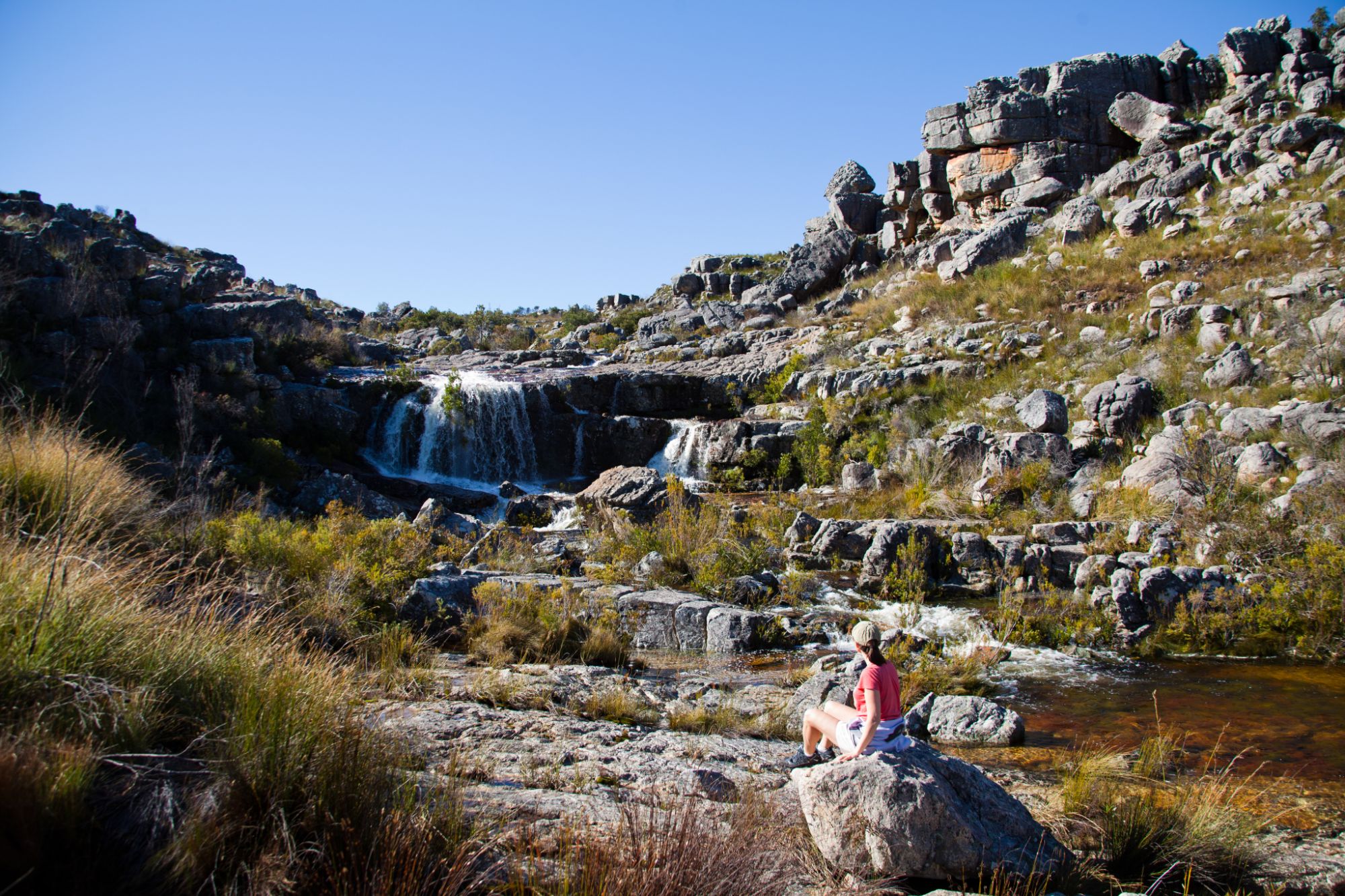
For filmmakers, photographers and content creators, CapeNature's reserves offer far more than beautiful scenery.
Each reserve tells its own story through its landscapes, wildlife, heritage and conservation efforts. They provide authentic settings that allow stories to come alive while showcasing the incredible diversity of the Western Cape.
Whether producing a feature film, documentary, commercial, travel series or digital content, creators gain access to places that carry meaning and purpose, making every production more impactful.
How can we tell them better, together?
By collaborating with filmmakers, photographers, content creators and storytellers, we can bring conservation to life in ways that inspire people to experience, value and protect our natural heritage.
If you’re interested in filming or photographing at a CapeNature reserve, a filming permit is required. Please contact our Permits team for filming applications, requirements, and approvals.
For more information, visit our Filming and Photography Information page.
Tune into our award-winning podcast, Green Noise, for captivating stories, conservation insights and outdoor inspiration.
Related News

CapeNature visitors invited to support communities through new donation scheme
A visit to a CapeNature nature reserve can help a neighbour in need. From 5 October 2026, guests at three participating nature reserves can bring gently used clothing, blankets and other essential items for local non-profit organisations. The first phase of the donation scheme will run at Grootvadersbosch Nature Reserve near Heidelberg, Kogelberg Nature Reserve near Kleinmond, and Cederberg Wilderness Nature Reserve near Clanwilliam.

Radio network upgrade to strengthen emergency communication in Hangklip area
CapeNature and Overstrand Municipality will install a small radio repeater station near Hangklip Peak as part of an upgrade to the region’s radio communication network. The repeater will strengthen the communication networks used by both parties and improve coverage across the Overstrand municipal area, Kogelberg Nature Reserve, Betty’s Bay Marine Protected Area and parts of the City of Cape Town. Reliable radio communication is essential for the daily operations of

State of Conservation Report 2026 tracks progress and pressures facing Western Cape biodiversity
The Western Cape’s biodiversity is facing mounting pressure, with a sharp increase in the area affected by fires and more ecosystems and species classified as threatened, according to the Western Cape State of Conservation Report 2026. The report records 107 fires that burned 215 936 hectares during the 2025/26 reporting period – almost three times the 75 174 hectares burned by 97 fires in the previous reporting period.

El Niño raises fire risk as Western Cape prepares for a challenging fire season
The Western Cape is preparing for a potentially challenging wildfire season, with the developing El Niño weather pattern expected to contribute to hotter and drier conditions and an increased risk of wildfires across the province. The South African Weather Service has warned of below-normal rainfall associated with the expected strong El Niño during the coming summer season. While El Niño does not automatically mean that every part of the province will experience drought

Cape fur seal safety remains important this World Rabies Day
On World Rabies Day (28 September), CapeNature is reminding residents and visitors to keep a safe distance from Cape fur seals and to act immediately if they or their pets are bitten, scratched or exposed to a seal’s saliva. Rabies has been detected in Cape fur seals along the South African coastline and by the end of 2025, at least 176 people had been bitten by seals. While most seals do not pose a threat to people, they are wild animals and should never be approached, touched, fed or encouraged to interact with humans.

How Waste Affects Biodiversity and What We Can Do About It
Waste is more than an eyesore. Littered streets, polluted rivers and overflowing landfills are visible signs of a much wider environmental problem. Every year, people generate large volumes of waste, yet much of it is not managed effectively. In South Africa, more than 60% of waste has been reported as ending up in landfills. With service-delivery challenges and many major landfill sites approaching capacity, the pressure on communities and natural ecosystems continues to grow. Both terrestrial and aquatic biodiversity carry much of the impact.