
Western Cape adds over 81 000 hectares of new nature reserves in the past year
The Western Cape has added over 20 new nature reserves to its Protected Area network, securing more than 81 715 hectares of ecologically significant land for long-term conservation. Declared between April 2025 and March 2026, these new reserves strengthen the province’s efforts to protect important landscapes, species, and vegetation types.
The reserves span diverse regions, including the Cederberg, Agulhas Plain, Little Karoo, and Garden Route, and range from small properties to expansive mountain and lowland areas. Through CapeNature’s Biodiversity Stewardship Programme, landowners can voluntarily commit to having their land formally declared as a Protected Area and nature reserve.
Each declaration contributes to the province’s long-term environmental commitments and supports efforts aligned with the Global Biodiversity Framework 30x30 goals – an initiative aimed at formally protecting 30% of the planet’s land and oceans by 2030.
The Cape Floristic Region is one of 36 recognised global biodiversity hotspots. These hotspots are regions that have high levels of biodiversity, but that are also the most threatened reservoirs of plant and animal life on earth. Healthy and resilient ecosystems are essential to sustain livelihoods and economic growth and must be actively protected, managed, and restored. Our ability to declare these additional reserves is made possible through partner organisations and landowners, working with CapeNature.
Dr Ashley Naidoo, CEO of CapeNature, said the declarations are made possible thanks to landowners who work alongside conservation agencies and the Western Cape Government.
Their commitment ensures that important natural areas receive formal protection, and together we are taking steps toward securing a healthier, more resilient environment for decades to come.
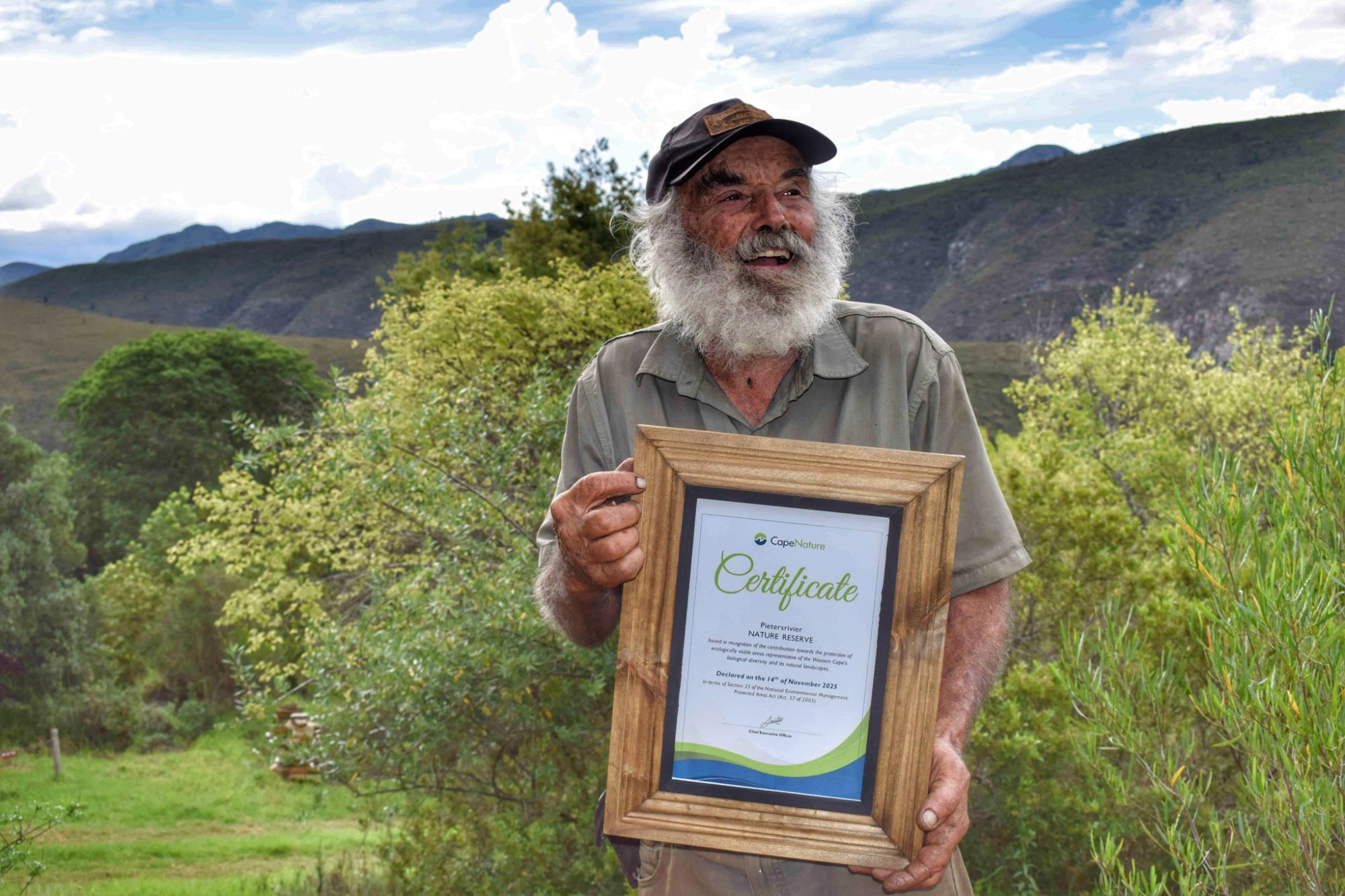
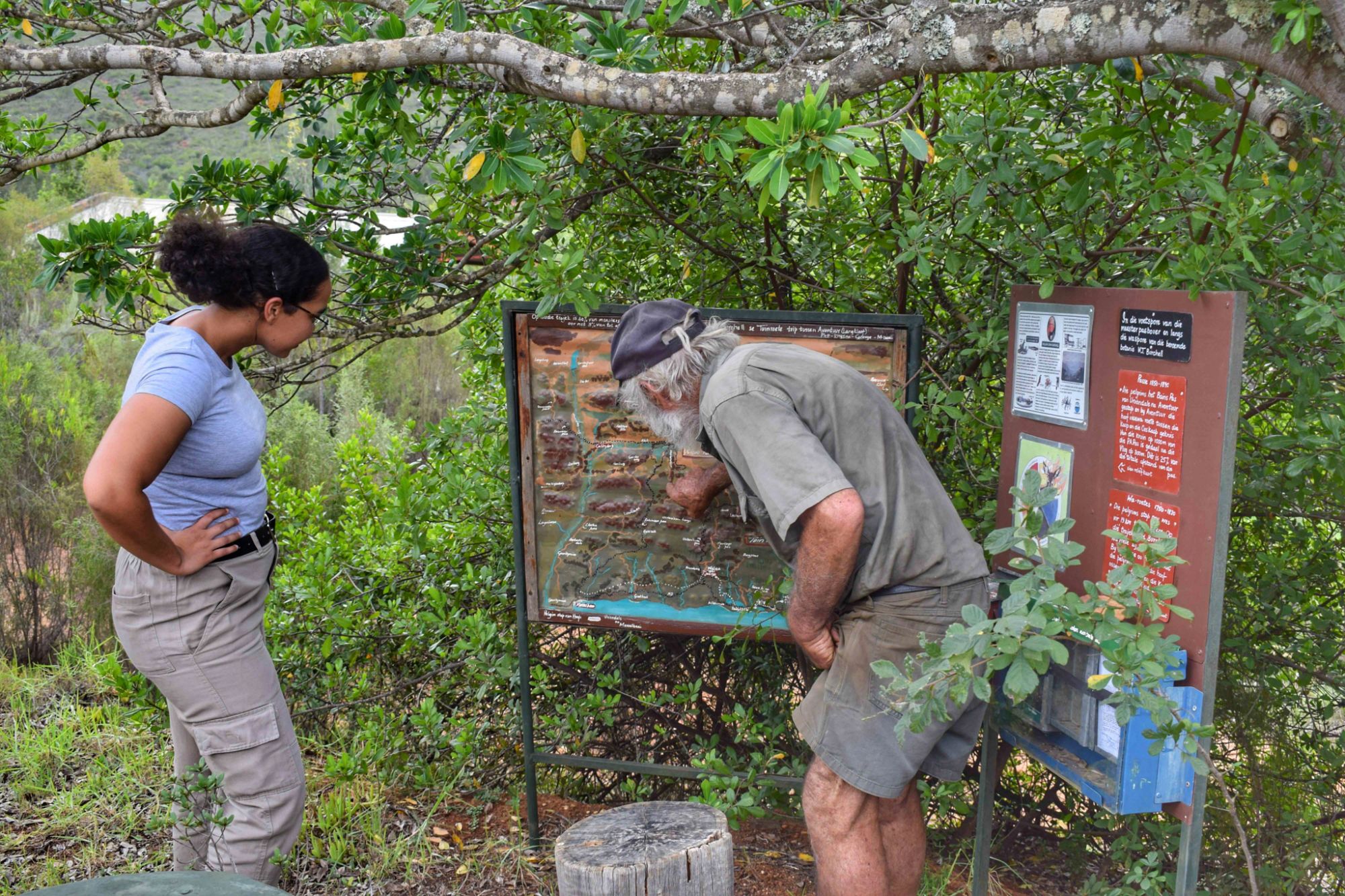
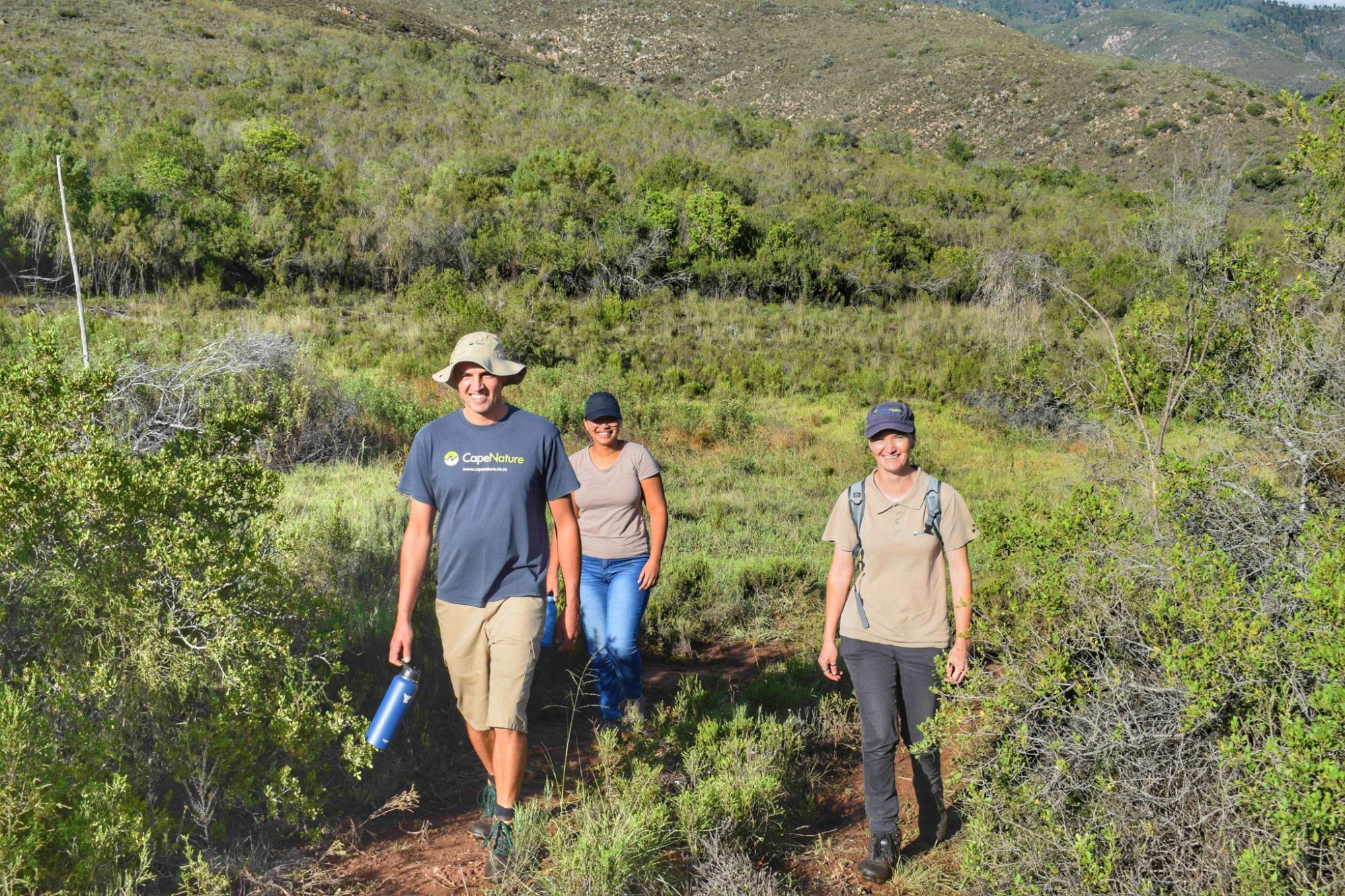
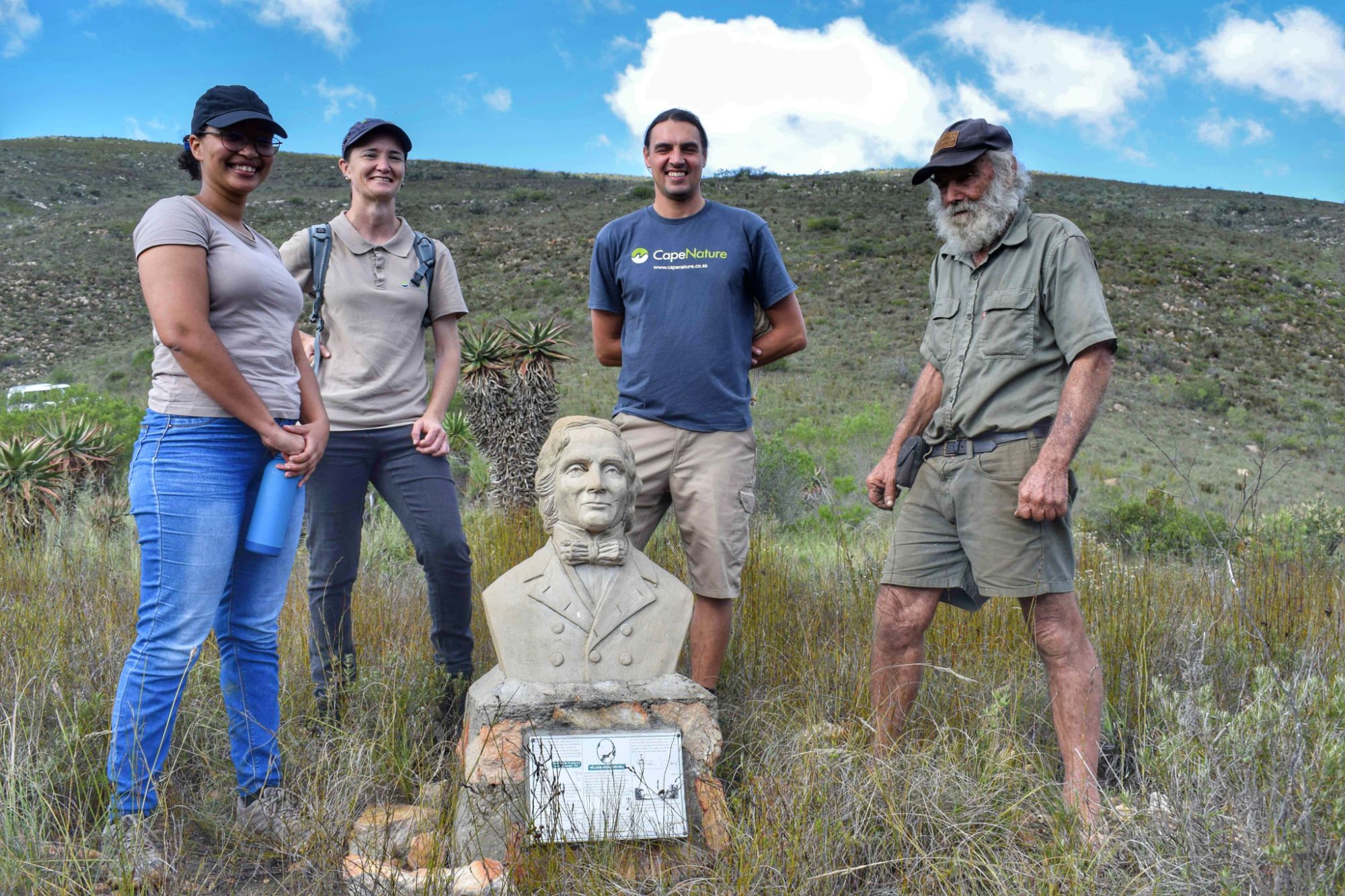
Most of these reserves are privately owned, while Anysberg Nature Reserve and Knersvlakte Nature Reserve are managed by CapeNature and have been expanded. Public access will be determined in line with land-use and conservation requirements. For information on visiting privately managed reserves, the public is advised to contact the respective reserve directly.
If you are a landowner interested in making a difference for conservation in the Western Cape, reach out to CapeNature’s Stewardship Team at wcpaes2025@capenature.co.za to begin the process of formally protecting your property today.
Summary of newly declared Nature Reserves
| Nature Reserve | Hectares |
|---|---|
| Anysberg Nature Reserve (expansion) | 6 918.3081 ha |
| Bloutoring Nature Reserve | 4 610.8996 ha |
| Buffalo Valley Nature Reserve | 318.3445 ha |
| Cedar Rock Nature Reserve | 9 872.7000 ha |
| Cederberg Oasis Nature Reserve | 226.664 ha |
| Diosma Nature Reserve | 10.7664 ha |
| Doringkloof Karoo Plaas Nature Reserve | 209.2027 ha |
| Franco Three Fountains | 21.4250 ha |
| Fynbosstrand Nature Reserve | 425.6964 ha |
| Gecko Rock Private Nature Reserve | 3 658.0296 ha |
| Haarwegskloof | 547.7954 ha |
| Kleiheuwel Nature Reserve | 2 724.5000 ha |
| Knersvlakte Nature Reserve (expansion) | 34 084.3925 ha |
| Koopmanskloof Nature Reserve | 65.5074 ha |
| Lettas Kraal Nature Reserve | 6 922.6114 ha |
| Machaseh Nature Reserve | 844.8371 ha |
| Mount David Nature Reserve | 713.0000 ha |
| Pietersrivier Nature Reserve | 1 151.2790 ha |
| Puntjie Nature Reserve | 102.1145 ha |
| Silflay Renosterveld Nature Reserve | 1 280.6129 ha |
| Voorstekop Nature Reserve | 347.9000 ha |
| Waterkloof Nature Reserve | 2 062.9245 ha |
| Wilderness | 643.6419 ha |
| Zebraskop Nature Reserve | 3 952.2036 ha |
| TOTAL AREA | 81715.3565 hectares |
Related News

Exploring the hidden world of fynbos frogs
A recent grant from the Herpetological Association of Africa enabled the investigation of the taxonomically confusing species of Ghost Frogs. Ghost Frogs (Family Heleophrynidae) are an endemic family of frogs that diverged from all other frogs 100 million years ago. These specialised frogs typically inhabit fast-flowing headwater habitats.

Where water flows, equality grows on World Water Day 2026
In recent months, communities across the Western Cape have been confronted with increasing water shortages and climate related disruptions. Communities reliant on smaller reservoirs and surface water systems, demonstrate the region’s vulnerability to low rainfall, the impact of alien invasive trees in removing water from natural systems, ageing water infrastructure and rising consumption.

Environmental education gets a boost through CapeNature’s museum training
CapeNature has partnered with the Department of Cultural Affairs and Sport (DCAS): Museum Services to expand environmental education across the Western Cape. During February 2026, CapeNature’s Learning and Awareness team trained 18 museum staff members from DCAS affiliated institutions to deliver activity-based programmes focused on water conservation

Western Cape marks World Wildlife Day as CapeNature highlights climate resilience and sustainable living
The Western Cape is marking World Wildlife Day on 3 March, a day proclaimed by the United Nations, by reaffirming its commitment to biodiversity protection, climate resilience and sustainable development, with CapeNature playing a central role in conserving the province’s natural heritage.

CapeNature Cubs Club Connect 2026 makes a splash with water-themed family fun
Scores of children and their families flocked to Jonkershoek Nature Reserve over the weekend to take part in a day of learning, laughter and connection in nature as part of CapeNature’s Cubs Club programme. Around 70 children and their families took part in the Cubs Club Connect 2026 event to celebrate this year’s theme, Water.