
Young Eco-Champions Recognised at the Big Biodiversity Challenge Awards 2026
The Western Cape Environmental Education Friends (WCEEF) and its environmental education partners celebrated the achievements of young biodiversity champions at the Big Biodiversity Challenge Awards Ceremony, held in November 2026 at the Western Cape Education Department (WCED) Metro East Education District.
The event marked the culmination of months of creativity, innovation, and action by learners from across the Western Cape who participated in the 2026 Big Biodiversity Challenge. Launched during Biodiversity Month in May under the theme "Acting Locally for Global Impact", the competition challenged learners in Grades 6 to 9 to develop and implement practical solutions to real-world biodiversity challenges affecting their communities.
Hosted by WCEEF in partnership with CapeNature, the Western Cape Government, the South African National Biodiversity Institute (SANBI), the Department of Forestry, Fisheries and the Environment (DFFE), Nature Connect, SANParks, Working on Fire, the City of Cape Town, and the Two Oceans Aquarium Foundation, the competition once again demonstrated the power of collaboration in environmental education.
This year, learners submitted an impressive range of action-based projects, including scientific investigations, environmental awareness campaigns, creative artworks, habitat restoration initiatives, waste reduction programmes, school greening projects, and community outreach activities. The quality of entries reflected not only a growing understanding of biodiversity issues but also a willingness among young people to take meaningful action in support of environmental sustainability.
The Big Biodiversity Challenge continues to demonstrate that young people are not only aware of environmental challenges but are also capable of developing practical solutions that create positive change. The projects showcased this year remind us that local actions, no matter how small they may seem, can contribute towards global biodiversity goals and help build a more sustainable future for all.
The awards ceremony provided an opportunity to recognise outstanding projects while celebrating the efforts of all participating learners, teachers, schools, parents, and environmental education practitioners who supported the competition throughout the year. Beyond the prizes awarded, the event highlighted the valuable knowledge, skills, and environmental leadership that learners gained through participating in the challenge.
LoÏc Raemaekers a Grade 6 home schooler, took the first place prize. Lolc developed a proof-of-concept interactive website to help learners, especially those that can’t afford to visit conservation areas discover and connect with nature. According to Lolc, the building of the website has been a dream of his for a long time and he hopes that “sharing the website will help children from every background become passionate about respecting and protecting the amazing wildlife we have right here in Cape Town.”
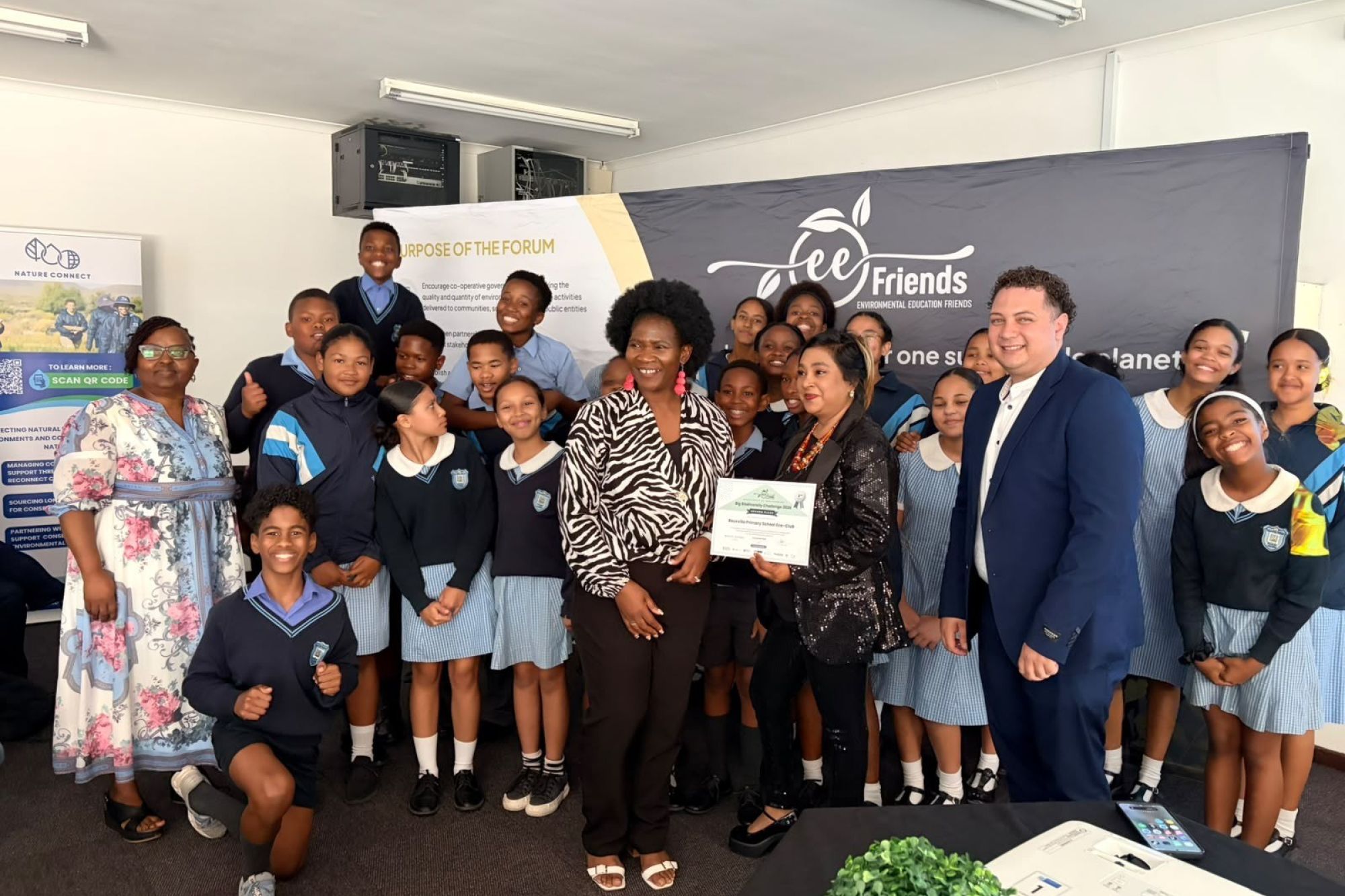
The very worthy second place winner was Rouxville Primary School Environmental club for their Food Garden Greening project where learners are not only addressing food security issues but also protecting biodiversity, conserving water, building climate resilience and learning valuable skills. The school’s sustainability garden is a living classroom where learners discover how one seed can spark a ripple effect that goes beyond the school’s gates.
Rouxville Primary School also took home the third place with their Recycling Art Project. Here learners collect, sort, reuse and recycle waste from their homes, school, and community. Recyclable materials such as plastic, cardboard and paper are transformed into creative artworks that highlight important environmental issues such as the protection of marine life.
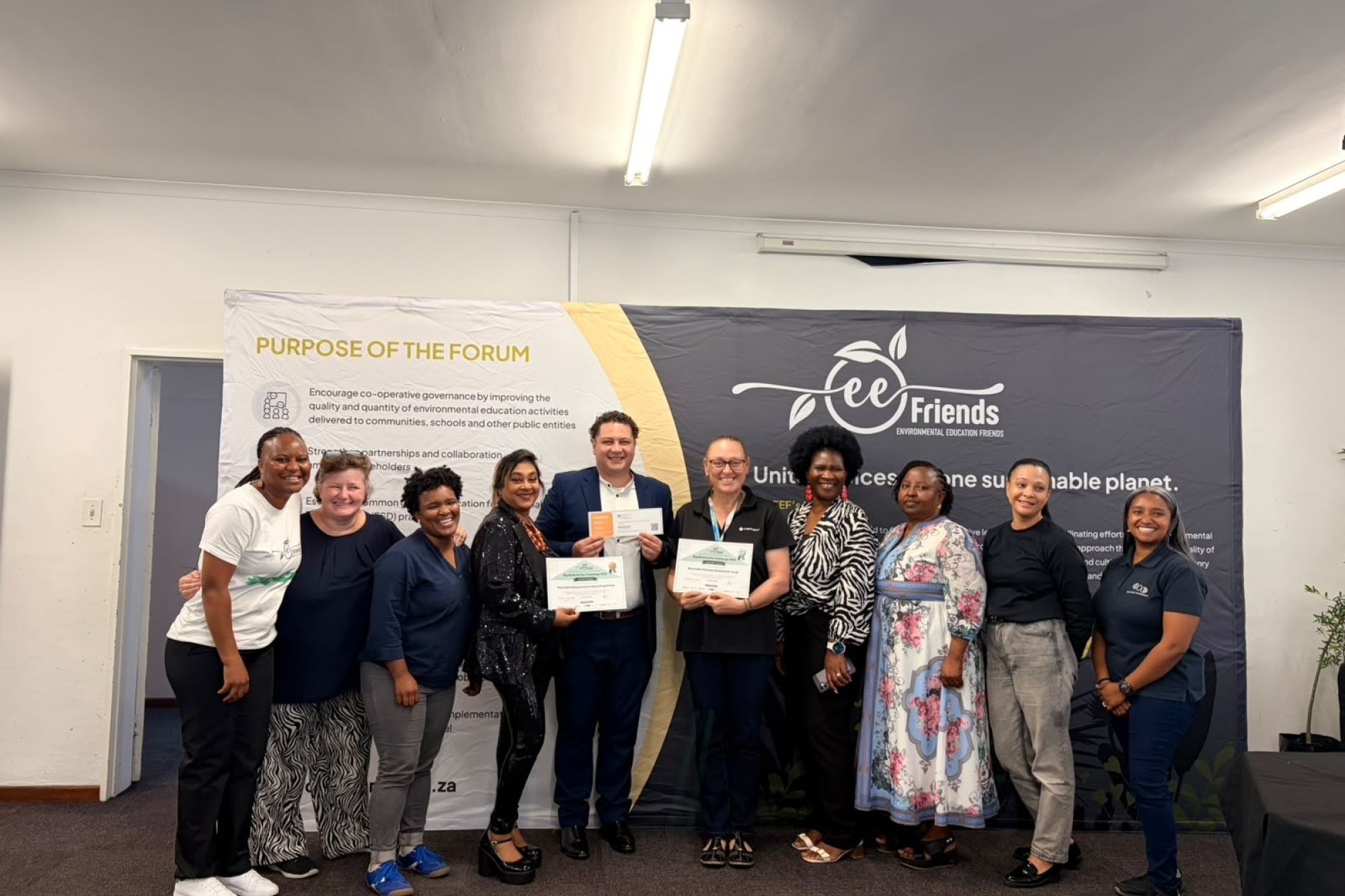
Winning participants received a variety of sponsored prizes from WCEEF stakeholders, including from CapeNature, SANParks, SANBI, Nature Connect, Two Oceans Aquarium Foundation and the Western Cape Department of Environmental Affairs & Development planning. These prizes and experiences will further encourage learners to deepen their connection with nature and continue their environmental stewardship journeys. The 2026 challenge built on the momentum generated by South Africa's role as host of the first Global Flagship Event for the International Day for Biological Diversity earlier in the year. By encouraging learners to translate ideas into action, the competition contributes directly to fostering a new generation of environmentally responsible citizens who understand the importance of protecting biodiversity for both people and nature.
As the event concluded, organisers expressed their appreciation to all schools and partners who contributed to the success of the competition and encouraged even greater participation in future editions of the challenge. The Big Biodiversity Challenge continues to serve as a platform where young people can explore environmental issues, develop innovative solutions, and demonstrate that they have an important role to play in safeguarding South Africa's rich biodiversity heritage. Through their passion, creativity, and action, these learners are helping to ensure that biodiversity conservation remains a shared responsibility and a priority for future generations.
To visit the winners website, visit https://cape-town-kids-safari.....
Related News

JOINT STATEMENT: Female baboon reunited with the rest of the Waterfall troop at Kogelfontein
The Cape Peninsula Baboon Management Joint Task Team (CPBMJTT) can confirm that the remaining female baboon of the Waterfall troop was captured yesterday late afternoon, 20 November, and reunited with the rest of the troop after she underwent a screening and full health assessment by a wildlife veterinarian.

JOINT STATEMENT: Permit, management plan for wildlife centre available online
The permit for the relocation of the Waterfall troop, as well as the management plan for the Urban Wildlife Centre at Kogelfontein, are available online. The Cape Peninsula Baboon Management Joint Task Team encourages the public and interested parties to read these documents for additional information, and to dispel misinformation currently circulating on social media platforms.
JOINT STATEMENT: Waterfall troop safe from urban harms for first time in over a decade
Contrary to misinformation on social media platforms, the Waterfall baboon troop is, for the first time in over a decade, safe from dangers in the urban environment. The troop is settling in at the wildlife centre at Kogelfontein, on land that is located in a natural area next to Table Mountain National Park. For the first time in over a decade, the Waterfall baboon troop is safe from dangers in the urban environment.

Record HeliHack clears almost 39 000 invasive pines from Jonkershoek’s Banhoek peaks
Volunteers flown by helicopter onto the Banhoek peaks in Jonkershoek Nature Reserve cleared 38 973 invasive pine trees over just three days (13–15 November 2026). It is the largest single HeliHack to date and the first to take place in the nature reserve. The operation surpasses the previous HeliHack record of 16 276 invasive pine trees, set in the Boosmansbos Wilderness Area in November 2025.
JOINT STATEMENT: Waterfall baboon troop adjusting well
The Waterfall troop is adjusting very well to their new environment at the Urban Wildlife Centre in Kogelfontein. The troop was relocated from Simon’s Town to Kogelfontein over the past weekend. The Cape Peninsula Baboon Management Joint Task Team (CPBMJTT) consisting of representatives from SANParks, CapeNature, and the City of Cape Town, can confirm that the 44 baboons who have been relocated to the Urban Wildlife Centre are adjusting well to their new environment.