
De Hoop Field and Marine Rangers - Working tirelessly to preserve this Marine Protected Area
By Lusanda Gqaza & Yanga Mbatana (Environmental Education Officers at Potberg, De Hoop Nature Reserve)
World Ranger Day is celebrated every year on the 31st July to commemorate rangers worldwide who were killed or injured in the line of duty. The day also celebrates the hard work done and sacrifices made by field and park rangers to protect our natural heritage.
These field rangers include those that have served and dedicated their time in protecting one of CapeNature’s pristine locations, the De Hoop Nature Reserve. De Hoop is one of the largest natural areas managed by CapeNature, boasting an impressive 34 000 hectares of conserved land. It has been proclaimed as a world heritage site and is home to the only colony of vultures in the Western Cape. There is a lot of hard work and dedication required in maintaining this reserve - take a bow the tireless De Hoop field rangers!
Field Rangers are the backbone of conservation. The team at de Hoop perform an array of duties and responsibilities on a daily basis. These include ecological monitoring and surveys, combating veld fires, counting game and supporting the reserve manager and conservation services as and when needed. They are also possess a fountain of knowledge which they dispense to environmental education groups visiting the Potberg Environmental Education Centre.
Another critical part of their work is compliance. Patrols are carried out on an almost daily basis. One of the challenges that they deal with frequently is the illegal collection and exploitation of indigenous wild plants and animals. The unique plants and animals of the Western Cape unfortunately attract biodiversity criminals including scientists, syndicates and professional traders.

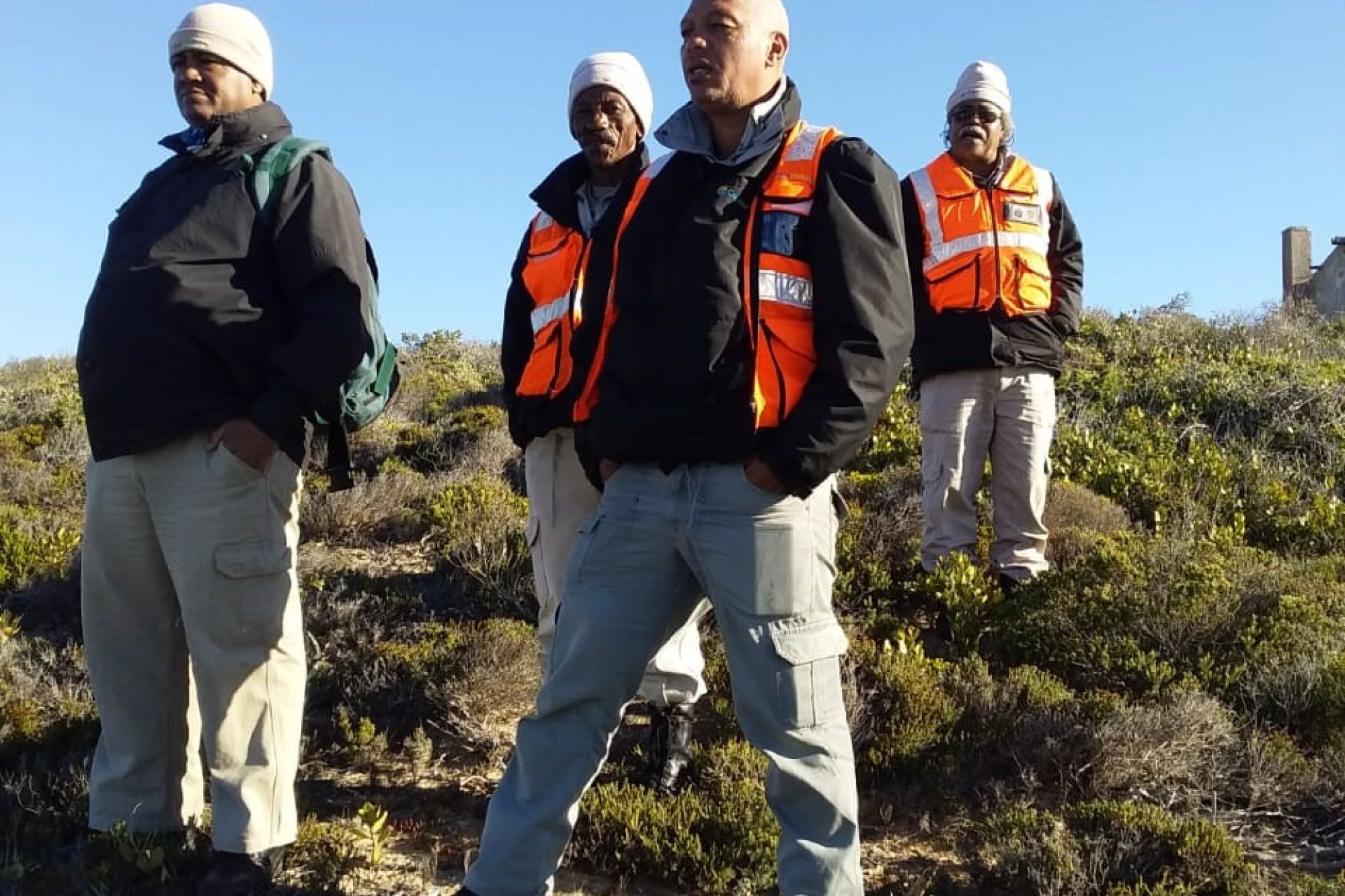
The De Hoop field ranger team puts their lives at risk every day whether dealing with poachers. Nonetheless, the team continues to serve the cause with great pride and dedication. Without the field rangers, conservation work at De Hoop or any nature reserve would grind to a halt!
We salute the field rangers of De Hoop and, indeed all rangers the world over. It is fitting to give the last word to De Hoop ranger, Willem Dowrey says that, “Being a field ranger means that I am constantly in touch with the environment and nature, while I am protecting it. It genuinely fulfills my soul”.
This World Ranger Day, CapeNature would like to thank and acknowledge all field and park rangers for their ongoing service. Their hard work and dedication certainly does not go unnoticed.
Related News

Penguin Palooza 2026 returns to Stony Point in support of African Penguin conservation
Stony Point in Betty’s Bay is one of the last known locations on Earth where African Penguins still breed on the mainland, and the species is under growing pressure. On Saturday, 7 November 2026, Penguin Palooza returns to Stony Point Nature Reserve, giving the public a chance to learn about the species and the work CapeNature, SANCCOB and other partners are doing to protect it.

Robberg Nature Reserve named Best Outdoor Activity in 2026 Readers’ Choice Awards
Robberg Nature Reserve named Best Outdoor Activity in 2026 Readers’ Choice Awards. Robberg Nature Reserve has been named the Best Outdoor Activity in the Best of Knysna & Plett Readers’ Choice Awards 2026. The recognition follows months of nominations and voting by communities across Knysna, Plettenberg Bay and Sedgefield, making the award a meaningful reflection of the place Robberg holds in the local community.

CapeNature maintains clean audit record and expands the Western Cape’s Protected Areas
CapeNature's 2025/26 Annual Report shows the Entity added more than 44 000 hectares to the Western Cape conservation estate over the year. The additions extend protection across mountain catchments that feed the province's water supply, guarding them against the invasive plant growth and wildfire risk that threaten water security. Ultimately the protected areas expansion improves our ability to conserve the rich and unique Western Cape biodiversity.

WESSA recognises 62 Blue Flags and 19 Green Coast sites as South Africa marks 25 years of coastal stewardship
South Africa’s Blue Flag and Green Coast programmes are entering their next chapter with a renewed focus on environmental stewardship, inclusion, community participation and long-term coastal resilience, as WESSA, the Wildlife and Environment Society of South Africa, celebrates 25 years of Blue Flag in South Africa and its own centenary.

CapeNature visitors invited to support communities through new donation scheme
A visit to a CapeNature nature reserve can help a neighbour in need. From 5 October 2026, guests at three participating nature reserves can bring gently used clothing, blankets and other essential items for local non-profit organisations. The first phase of the donation scheme will run at Grootvadersbosch Nature Reserve near Heidelberg, Kogelberg Nature Reserve near Kleinmond, and Cederberg Wilderness Nature Reserve near Clanwilliam.

Radio network upgrade to strengthen emergency communication in Hangklip area
CapeNature and Overstrand Municipality will install a small radio repeater station near Hangklip Peak as part of an upgrade to the region’s radio communication network. The repeater will strengthen the communication networks used by both parties and improve coverage across the Overstrand municipal area, Kogelberg Nature Reserve, Betty’s Bay Marine Protected Area and parts of the City of Cape Town. Reliable radio communication is essential for the daily operations of