
Darwin200 Young Leaders & CapeNature Launch Inspiring Documentaries
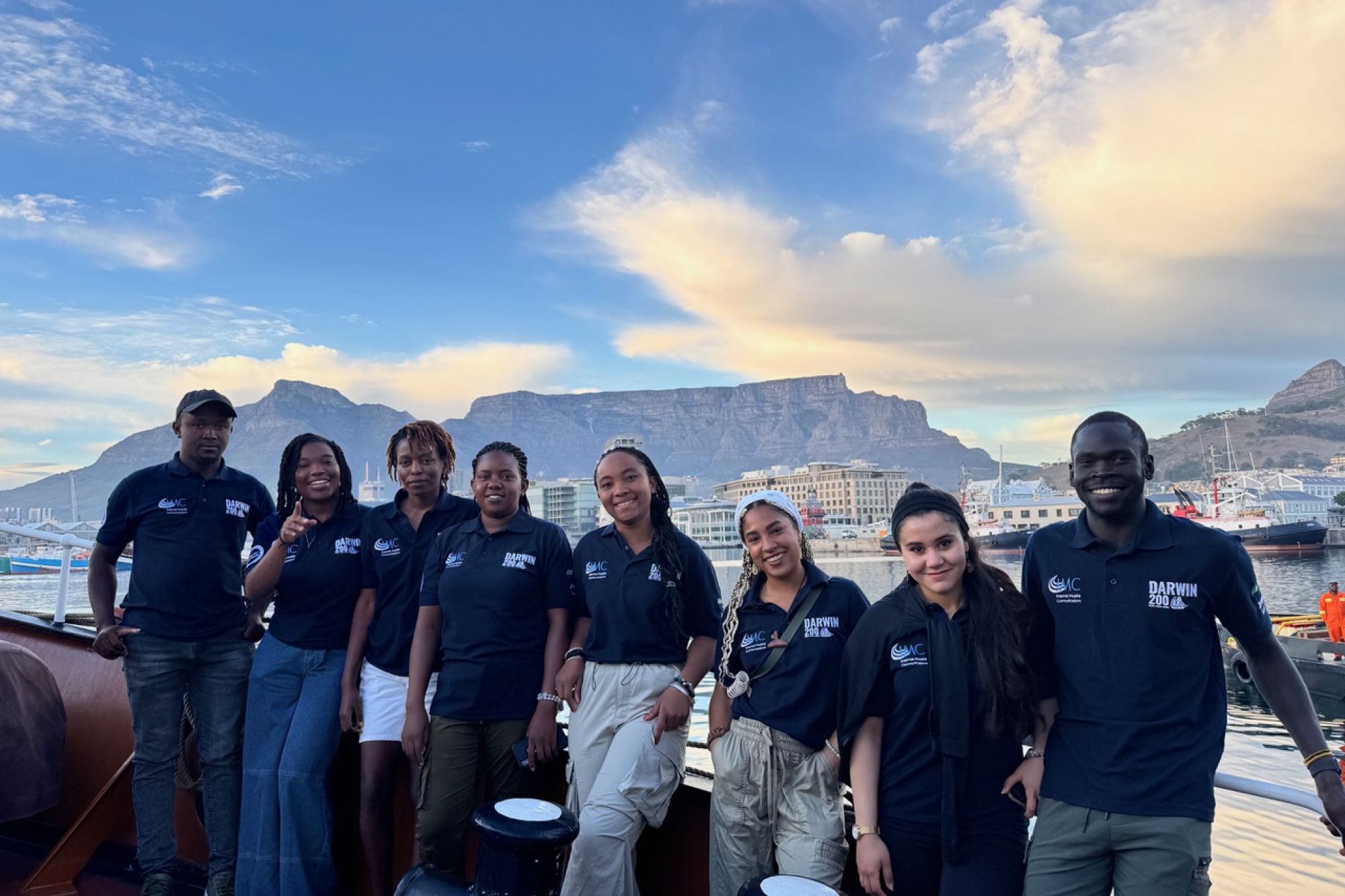
The DARWIN200 project is developing the world’s top young conservationists as they gain practical experience studying conservation subjects. These leaders are developing the skills and abilities to change the world of tomorrow, taking this experience into their future conservation careers.
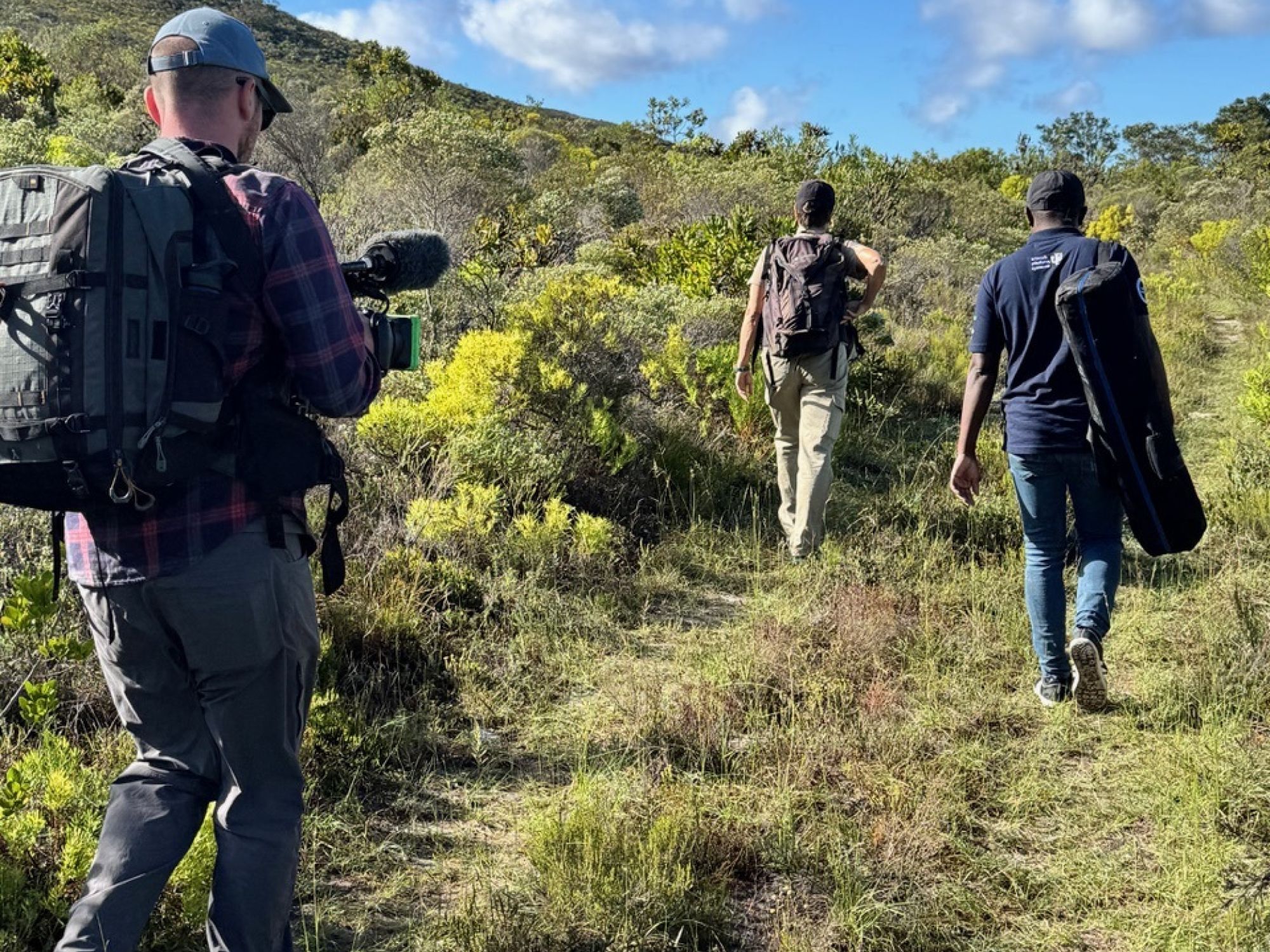
Travelling with legendary Dutch Tall Ship Oosterschelde, the young scientists went ashore in Cape Town to meet up with a number of scientists from various organisations to document worthy conservation projects. The DARWIN200 Project is retracing English naturalist Charles Darwin’s 19th-century voyage, stopping at 32 ports around the globe by July 2025. The sailing ship’s crew is composed of 200 young people who work in environmental conservation around the world, taking turns aboard the vessel to learn about projects in the places where they moor.
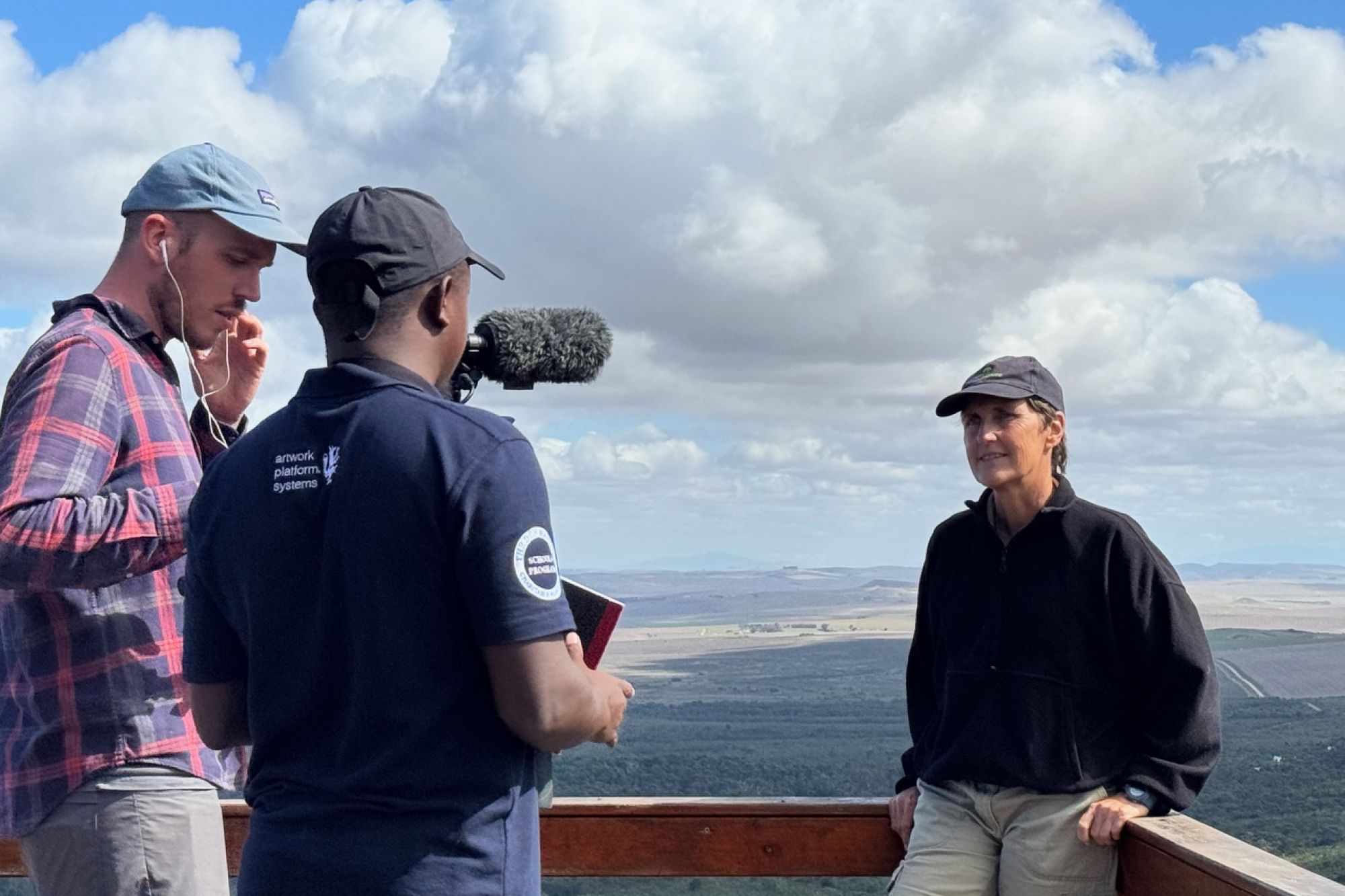
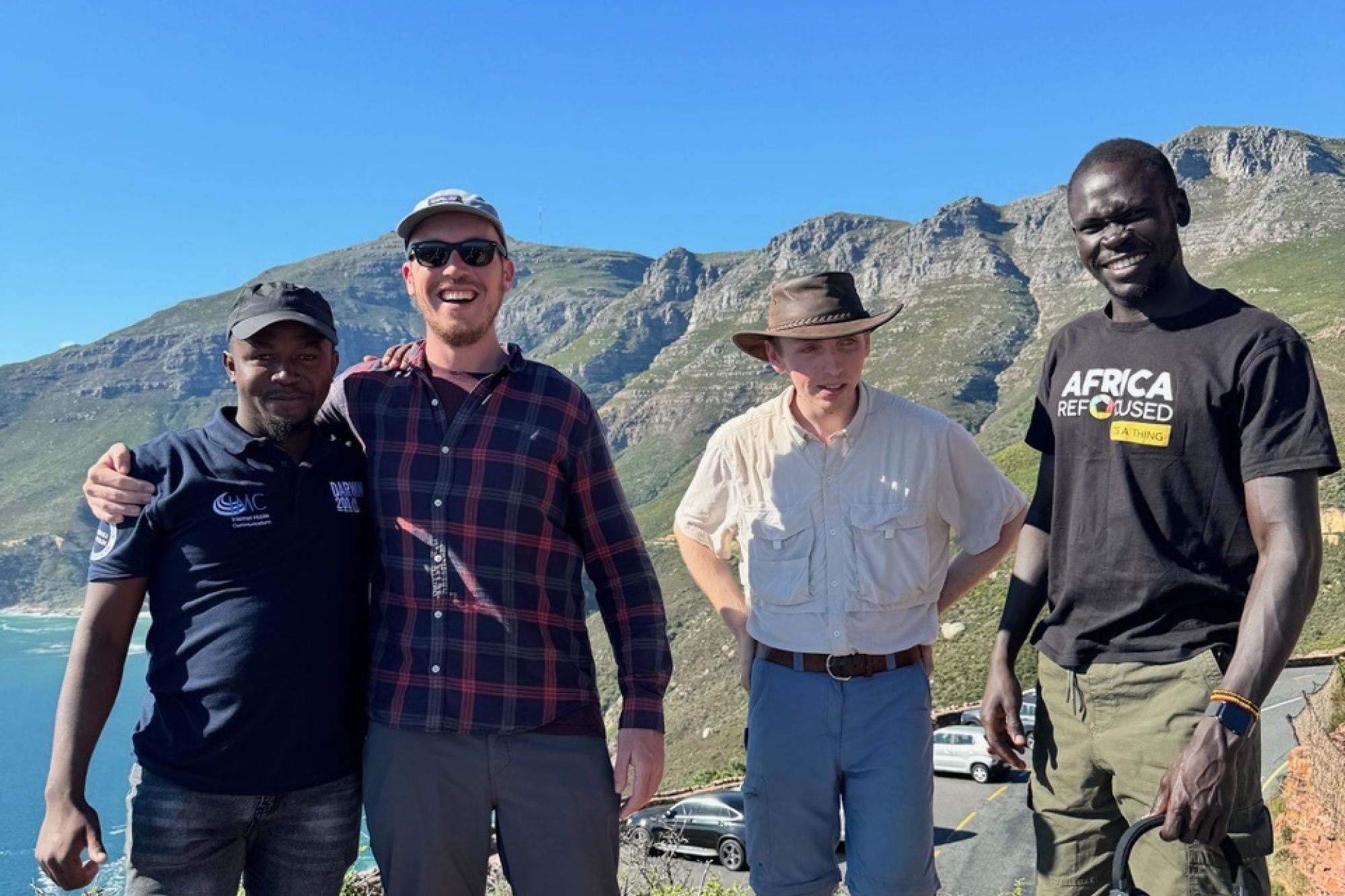
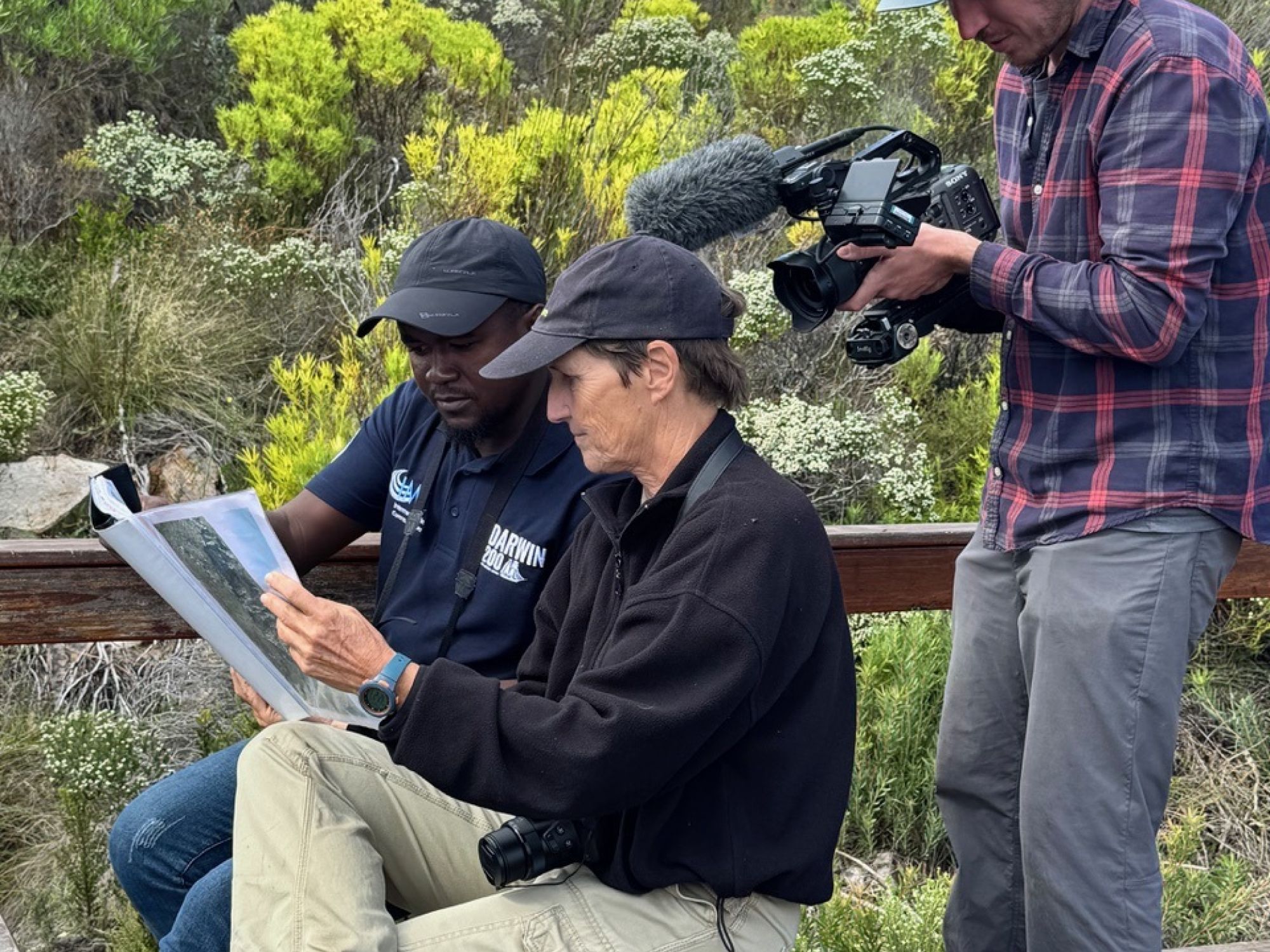
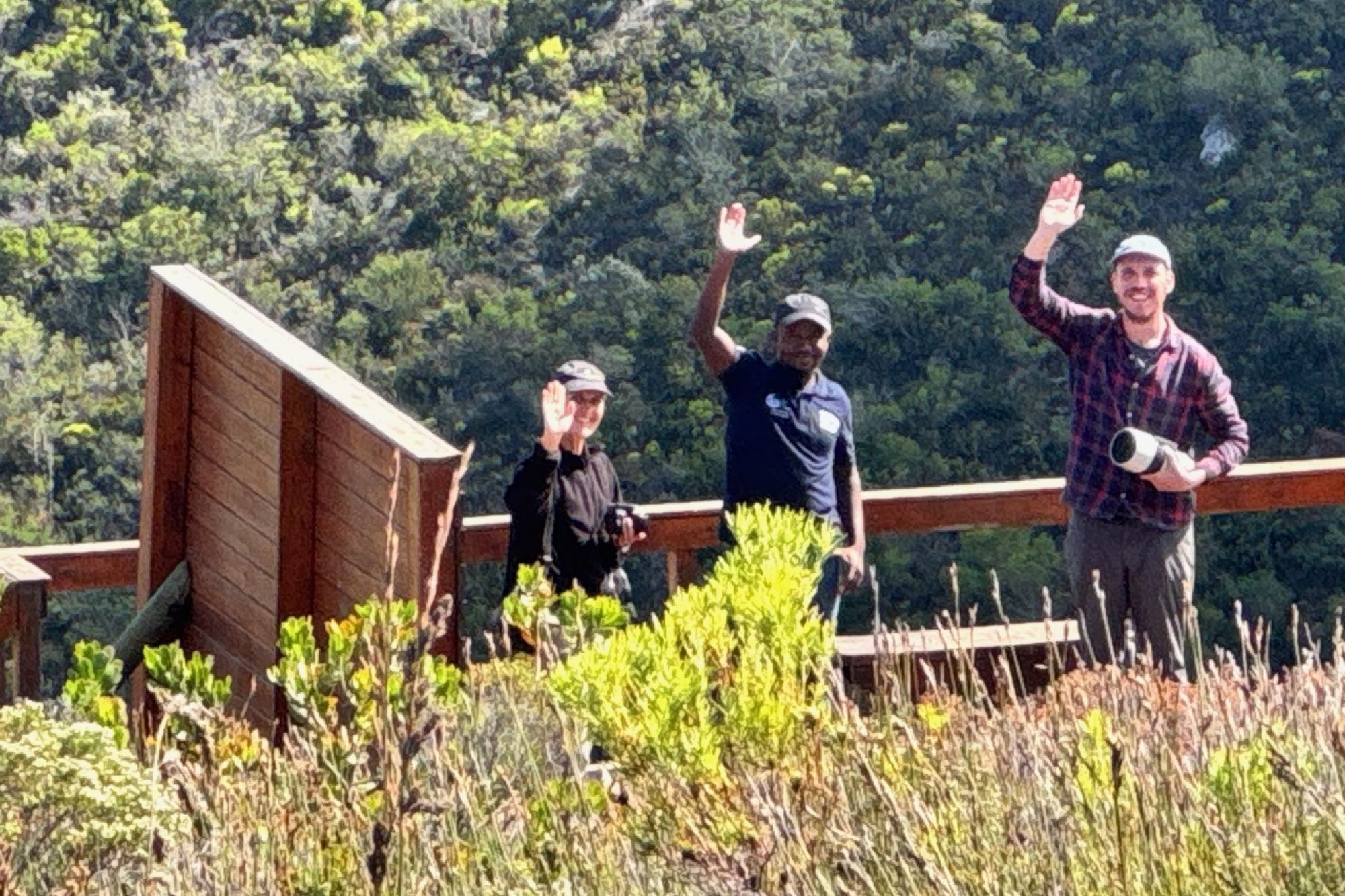
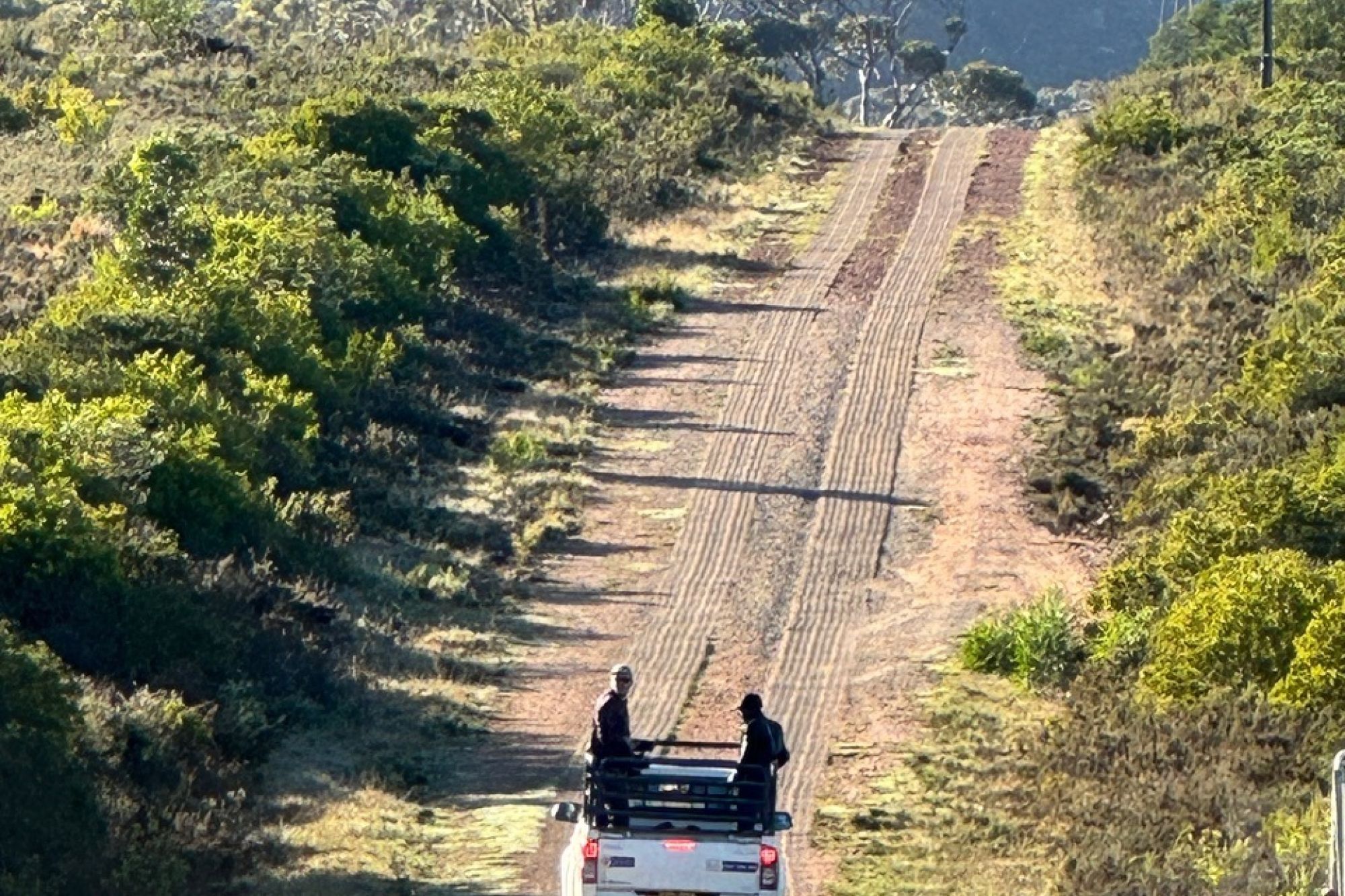
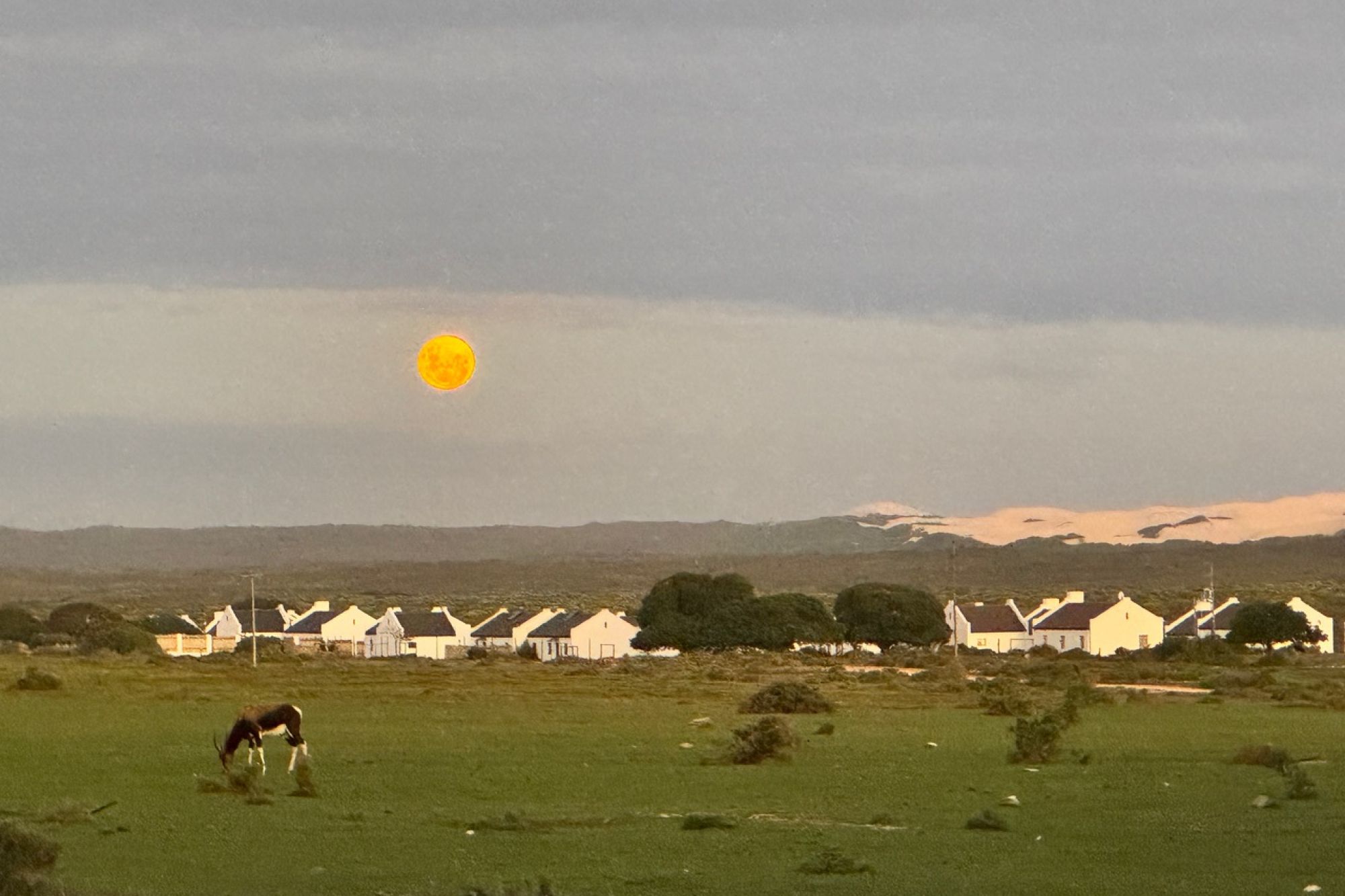
CapeNature was chosen to highlight three of its groundbreaking programmes. Working hand in hand with Dr Marienne De Villiers from CapeNature, Gift Munsaka and Joshua Aiita produced awe-inspiring videos on the Cape vulture colony of Potberg and the bontebok at De Hoop Nature Reserve respectively.
Sharona Shnayder travelled further ashore to Groenvlei where she created a beautiful and heart-warming video, called “The Lake We Share” telling the story of how invasive carp is used to feed a local community.
The videos can be watched here.
The DARWIN200 collaborative mission underscores the global commitment to safeguarding biodiversity while providing hands-on experience for the next generation of conservationists.
Related News

CapeNature visitors invited to support communities through new donation scheme
A visit to a CapeNature nature reserve can help a neighbour in need. From 5 October 2026, guests at three participating nature reserves can bring gently used clothing, blankets and other essential items for local non-profit organisations. The first phase of the donation scheme will run at Grootvadersbosch Nature Reserve near Heidelberg, Kogelberg Nature Reserve near Kleinmond, and Cederberg Wilderness Nature Reserve near Clanwilliam.

Radio network upgrade to strengthen emergency communication in Hangklip area
CapeNature and Overstrand Municipality will install a small radio repeater station near Hangklip Peak as part of an upgrade to the region’s radio communication network. The repeater will strengthen the communication networks used by both parties and improve coverage across the Overstrand municipal area, Kogelberg Nature Reserve, Betty’s Bay Marine Protected Area and parts of the City of Cape Town. Reliable radio communication is essential for the daily operations of

State of Conservation Report 2026 tracks progress and pressures facing Western Cape biodiversity
The Western Cape’s biodiversity is facing mounting pressure, with a sharp increase in the area affected by fires and more ecosystems and species classified as threatened, according to the Western Cape State of Conservation Report 2026. The report records 107 fires that burned 215 936 hectares during the 2025/26 reporting period – almost three times the 75 174 hectares burned by 97 fires in the previous reporting period.

El Niño raises fire risk as Western Cape prepares for a challenging fire season
The Western Cape is preparing for a potentially challenging wildfire season, with the developing El Niño weather pattern expected to contribute to hotter and drier conditions and an increased risk of wildfires across the province. The South African Weather Service has warned of below-normal rainfall associated with the expected strong El Niño during the coming summer season. While El Niño does not automatically mean that every part of the province will experience drought

Cape fur seal safety remains important this World Rabies Day
On World Rabies Day (28 September), CapeNature is reminding residents and visitors to keep a safe distance from Cape fur seals and to act immediately if they or their pets are bitten, scratched or exposed to a seal’s saliva. Rabies has been detected in Cape fur seals along the South African coastline and by the end of 2025, at least 176 people had been bitten by seals. While most seals do not pose a threat to people, they are wild animals and should never be approached, touched, fed or encouraged to interact with humans.

How Waste Affects Biodiversity and What We Can Do About It
Waste is more than an eyesore. Littered streets, polluted rivers and overflowing landfills are visible signs of a much wider environmental problem. Every year, people generate large volumes of waste, yet much of it is not managed effectively. In South Africa, more than 60% of waste has been reported as ending up in landfills. With service-delivery challenges and many major landfill sites approaching capacity, the pressure on communities and natural ecosystems continues to grow. Both terrestrial and aquatic biodiversity carry much of the impact.