
CapeNature urges public not to unnecessarily remove chameleons following Garden Route storms
Members of the public are urged to assist wildlife responsibly following recent severe weather events in the Garden Route, and to avoid the unnecessary removal of chameleons from their natural habitat.
Following severe storms experienced in the region over the last two weeks, many trees have lost branches or fallen entirely. As a result, some small animals have been displaced from their natural habitat. CapeNature has noted and welcomed initiatives by residents and organisations who have stepped in to rescue affected wildlife.
However, members of the public are urged to ensure that any rescue efforts are conducted responsibly and with the long-term wellbeing of the animals and surrounding ecosystems in mind.
Chameleons play an important role in ecosystems and should not be removed unnecessarily from their natural habitat, including urban environments. Only animals found on fallen branches or trees, or on trees that have been earmarked for removal, should be rescued.
Wildlife that is not directly threatened by tree or branch removal should be left where it is found to support the conservation of these species in their natural environment.

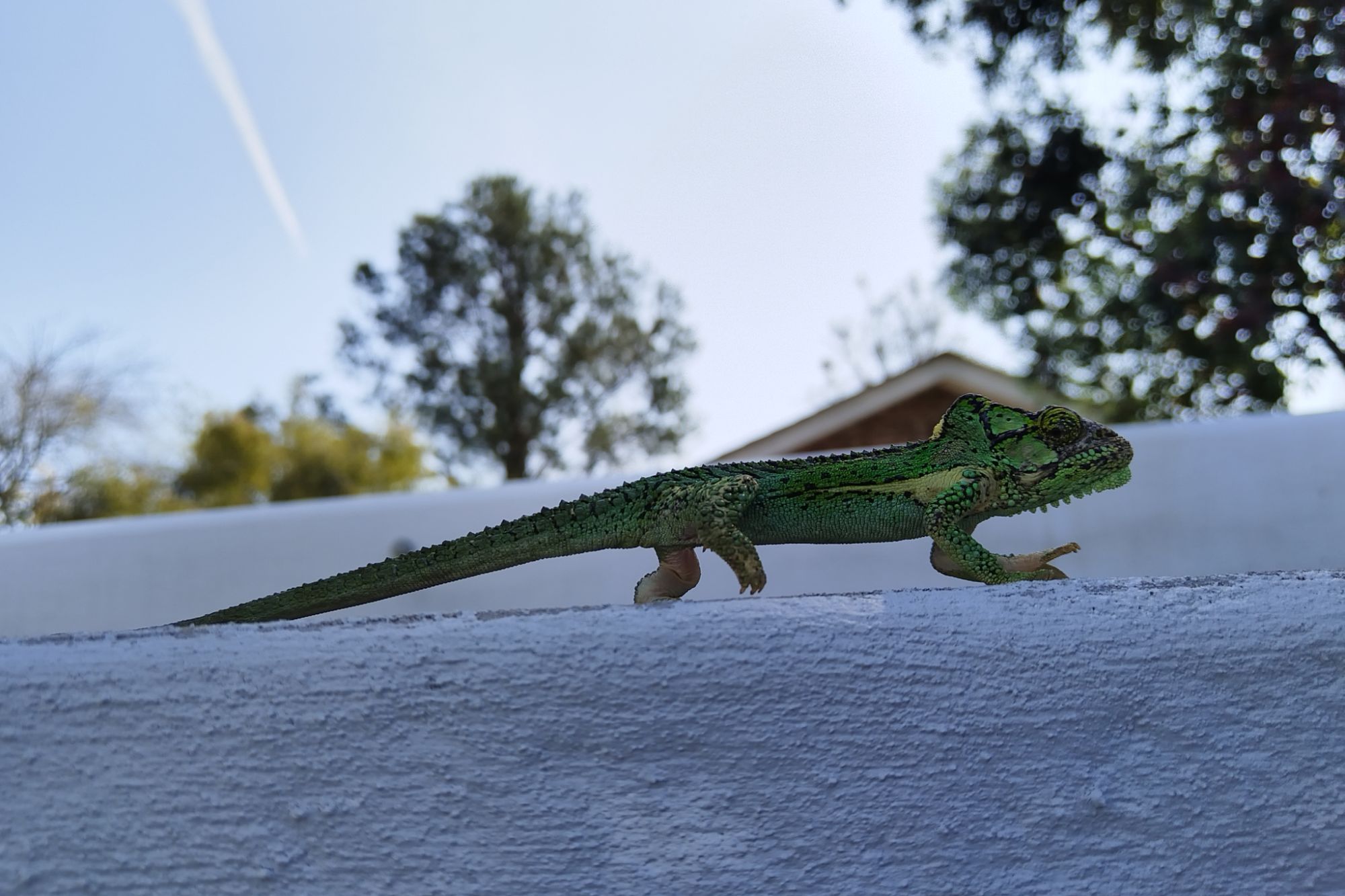
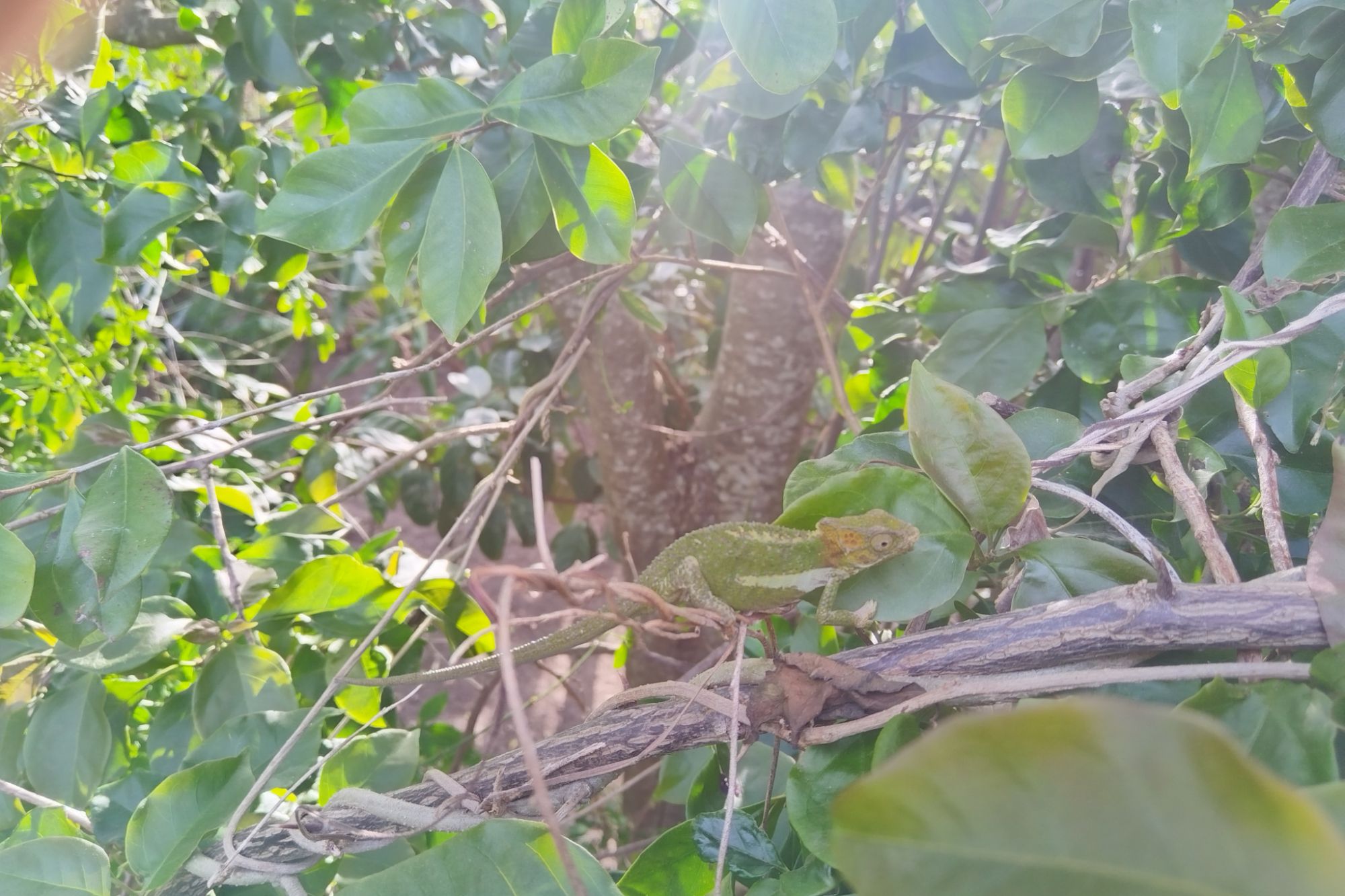
CapeNature CEO Dr Ashley Naidoo said natural disaster situations often spark an outpouring of compassion from communities; however, our good intentions and interventions must always prioritise ecological responsibility.
While we commend residents and organisations who have shown concern for wildlife affected by the recent storms, it is important that rescue efforts are guided by sound conservation principles. In many cases, the best action is to leave animals undisturbed unless they are in immediate danger due to fallen vegetation or clearing operations.
CapeNature further advises that small wildlife removed from fallen trees and branches should be placed back onto natural vegetation as close as possible to where they were found, preferably on the same property.
In cases where there is no suitable nearby habitat available, or where animals have been rescued from garden refuse dumping sites, individuals may be considered for release in a suitable and safe area nearby. However, translocations over significant distances, such as moving animals from the Mossel Bay area to George, should be avoided, as this can negatively impact local biodiversity and animal survival.
CapeNature encourages the public to remain mindful of wildlife during storm clean-up operations and to seek guidance where needed before intervening.
The public can contact CapeNature’s George office on 087 087 3037 to enquire where to take chameleons that cannot be placed in nearby natural areas.
Related News

Penguin Palooza 2026 returns to Stony Point in support of African Penguin conservation
Stony Point in Betty’s Bay is one of the last known locations on Earth where African Penguins still breed on the mainland, and the species is under growing pressure. On Saturday, 7 November 2026, Penguin Palooza returns to Stony Point Nature Reserve, giving the public a chance to learn about the species and the work CapeNature, SANCCOB and other partners are doing to protect it.

Robberg Nature Reserve named Best Outdoor Activity in 2026 Readers’ Choice Awards
Robberg Nature Reserve named Best Outdoor Activity in 2026 Readers’ Choice Awards. Robberg Nature Reserve has been named the Best Outdoor Activity in the Best of Knysna & Plett Readers’ Choice Awards 2026. The recognition follows months of nominations and voting by communities across Knysna, Plettenberg Bay and Sedgefield, making the award a meaningful reflection of the place Robberg holds in the local community.

CapeNature maintains clean audit record and expands the Western Cape’s Protected Areas
CapeNature's 2025/26 Annual Report shows the Entity added more than 44 000 hectares to the Western Cape conservation estate over the year. The additions extend protection across mountain catchments that feed the province's water supply, guarding them against the invasive plant growth and wildfire risk that threaten water security. Ultimately the protected areas expansion improves our ability to conserve the rich and unique Western Cape biodiversity.

WESSA recognises 62 Blue Flags and 19 Green Coast sites as South Africa marks 25 years of coastal stewardship
South Africa’s Blue Flag and Green Coast programmes are entering their next chapter with a renewed focus on environmental stewardship, inclusion, community participation and long-term coastal resilience, as WESSA, the Wildlife and Environment Society of South Africa, celebrates 25 years of Blue Flag in South Africa and its own centenary.

CapeNature visitors invited to support communities through new donation scheme
A visit to a CapeNature nature reserve can help a neighbour in need. From 5 October 2026, guests at three participating nature reserves can bring gently used clothing, blankets and other essential items for local non-profit organisations. The first phase of the donation scheme will run at Grootvadersbosch Nature Reserve near Heidelberg, Kogelberg Nature Reserve near Kleinmond, and Cederberg Wilderness Nature Reserve near Clanwilliam.

Radio network upgrade to strengthen emergency communication in Hangklip area
CapeNature and Overstrand Municipality will install a small radio repeater station near Hangklip Peak as part of an upgrade to the region’s radio communication network. The repeater will strengthen the communication networks used by both parties and improve coverage across the Overstrand municipal area, Kogelberg Nature Reserve, Betty’s Bay Marine Protected Area and parts of the City of Cape Town. Reliable radio communication is essential for the daily operations of