
CapeNature hit by widespread flooding, power outages and infrastructure damage
CapeNature is assessing widespread damage across its Protected Areas following several days of severe weather that have affected multiple reserves and surrounding communities through electricity outages, flooding and disrupted road access across the Western Cape.
Successive cold fronts brought heavy rainfall, gale-force winds and localised flooding across the Province, resulting in infrastructure damage, blocked routes and disruption to operations in several Protected Areas. Roads, trails, visitor facilities, offices and staff accommodation have been impacted in multiple reserves.
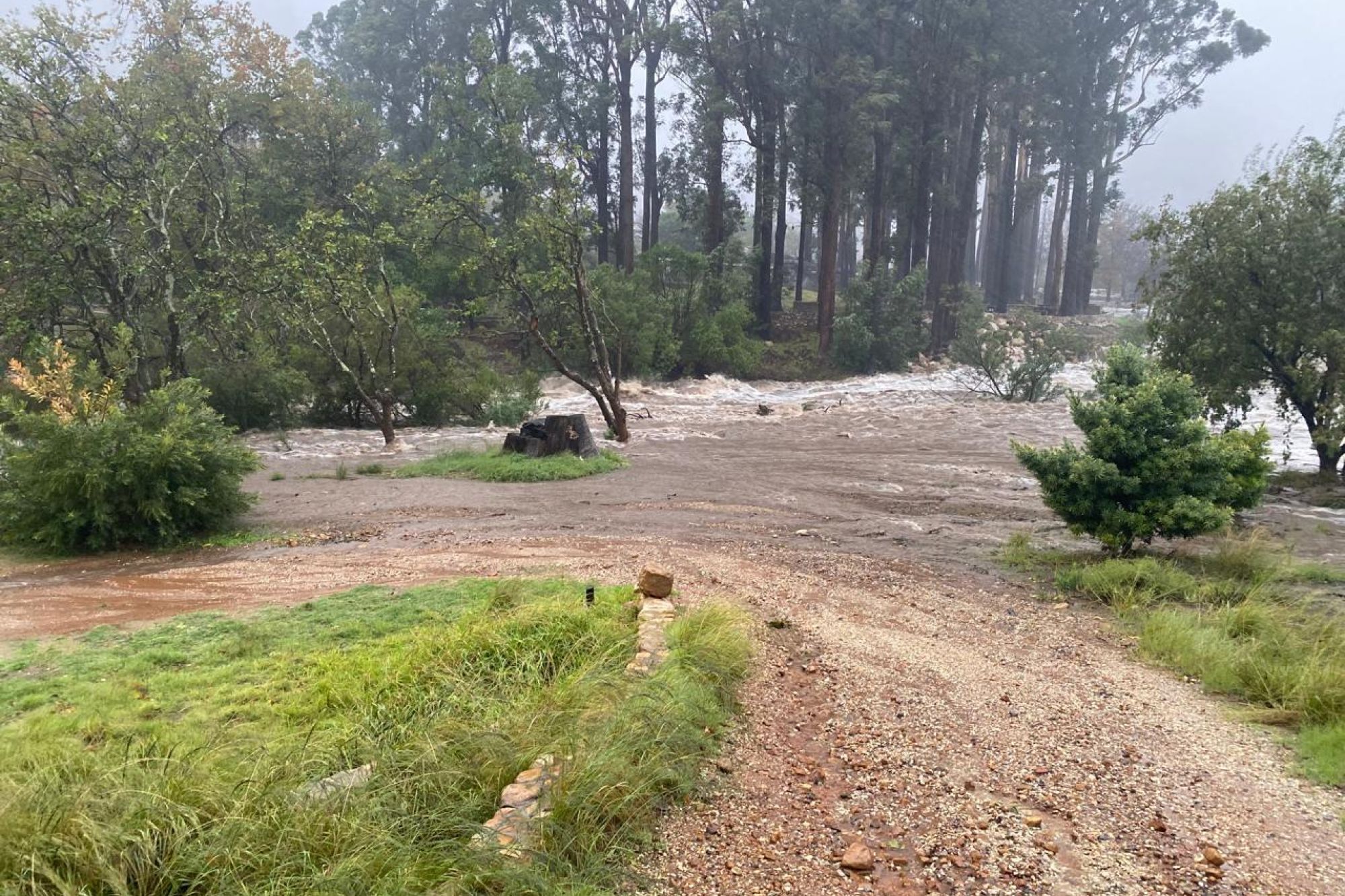
Cederberg campsite.

The impact of the flood.
Electricity supply disruptions are among the most significant impacts, affecting both reserve operations and nearby communities. In addition, hazardous travelling conditions persist due to flooding, fallen trees, debris and damaged access routes, while coastal and marine infrastructure has also sustained damage in certain areas.
Temporary closures have been implemented at our reserves. CapeNature emphasises that closures are not only due to ongoing adverse weather, but also to allow for detailed damage assessments, infrastructure repairs and safety inspections to ensure reserves are safe and accessible before reopening. CapeNature reserves will begin reopening between 15 May and 5 June (subject to change based on ongoing assessments), while some may remain closed even after weather conditions have improved.
Visitors are strongly urged to avoid travelling to reserves while severe weather conditions persist, particularly where roads, bridges and entry routes may be unsafe or inaccessible. Once conditions improve, visitors are advised to check the CapeNature website for the most up-to-date information on whether a reserve is open before planning any visits.
Dr Ashley Naidoo, CEO of CapeNature, said early assessments indicate significant impacts across several reserves.
The safety of our staff, visitors and surrounding communities remains our highest priority. While teams acted proactively ahead of the severe weather event, ongoing power outages and damaged access roads continue to pose major challenges in several affected areas. At this stage, the full extent and costs of the damage are still being assessed. These conditions not only affect reserve operations and visitor access but also place additional strain on neighbouring communities and ongoing recovery efforts.
CapeNature is working closely with the Provincial Disaster Management Centre, municipalities and other authorities as part of a coordinated provincial response. Teams remain on the ground to assess damage, clear routes where possible and prioritise critical repairs.
Members of the public are urged to:
- Avoid visiting CapeNature reserves until conditions have stabilised and it is confirmed safe to do so
- Strictly adhere to all reserve closures and access restrictions
- Refrain from attempting to access flooded areas, damaged roads or closed routes
- Exercise extreme caution when travelling in mountainous, coastal or low-lying areas
- Check the South African Weather Service reports daily for up-to-date conditions
- Monitor official CapeNature communication channels for updates before planning any visits
CapeNature reminds the public that conditions can change rapidly during severe weather events, and that entering closed or restricted areas places both visitors and emergency personnel at risk.
Related News

Penguin Palooza 2026 returns to Stony Point in support of African Penguin conservation
Stony Point in Betty’s Bay is one of the last known locations on Earth where African Penguins still breed on the mainland, and the species is under growing pressure. On Saturday, 7 November 2026, Penguin Palooza returns to Stony Point Nature Reserve, giving the public a chance to learn about the species and the work CapeNature, SANCCOB and other partners are doing to protect it.

Robberg Nature Reserve named Best Outdoor Activity in 2026 Readers’ Choice Awards
Robberg Nature Reserve named Best Outdoor Activity in 2026 Readers’ Choice Awards. Robberg Nature Reserve has been named the Best Outdoor Activity in the Best of Knysna & Plett Readers’ Choice Awards 2026. The recognition follows months of nominations and voting by communities across Knysna, Plettenberg Bay and Sedgefield, making the award a meaningful reflection of the place Robberg holds in the local community.

CapeNature maintains clean audit record and expands the Western Cape’s Protected Areas
CapeNature's 2025/26 Annual Report shows the Entity added more than 44 000 hectares to the Western Cape conservation estate over the year. The additions extend protection across mountain catchments that feed the province's water supply, guarding them against the invasive plant growth and wildfire risk that threaten water security. Ultimately the protected areas expansion improves our ability to conserve the rich and unique Western Cape biodiversity.

WESSA recognises 62 Blue Flags and 19 Green Coast sites as South Africa marks 25 years of coastal stewardship
South Africa’s Blue Flag and Green Coast programmes are entering their next chapter with a renewed focus on environmental stewardship, inclusion, community participation and long-term coastal resilience, as WESSA, the Wildlife and Environment Society of South Africa, celebrates 25 years of Blue Flag in South Africa and its own centenary.

CapeNature visitors invited to support communities through new donation scheme
A visit to a CapeNature nature reserve can help a neighbour in need. From 5 October 2026, guests at three participating nature reserves can bring gently used clothing, blankets and other essential items for local non-profit organisations. The first phase of the donation scheme will run at Grootvadersbosch Nature Reserve near Heidelberg, Kogelberg Nature Reserve near Kleinmond, and Cederberg Wilderness Nature Reserve near Clanwilliam.

Radio network upgrade to strengthen emergency communication in Hangklip area
CapeNature and Overstrand Municipality will install a small radio repeater station near Hangklip Peak as part of an upgrade to the region’s radio communication network. The repeater will strengthen the communication networks used by both parties and improve coverage across the Overstrand municipal area, Kogelberg Nature Reserve, Betty’s Bay Marine Protected Area and parts of the City of Cape Town. Reliable radio communication is essential for the daily operations of