
Western Cape fire season shows record early intensity and significant increase in fire activity
The 2025–2026 summer fire season began with exceptional intensity for CapeNature – official statistics showed a sharp rise in fire ignitions, high temperatures, and a large expanse of burnt areas across the Western Cape.
Historically, the fire season is considered to run from 1 October to 31 March. However, activity began as early as September 2025, well before the traditional high-risk period from November onwards. Between September and the end of November, CapeNature crews responded to 43 fires. Of these, 31 occurred in October and November, significantly outside historical averages.
Over the past 25 years, CapeNature has recorded an average of approximately 9 fires during those two months. The 31 fires in October and November is unprecedented across the Entity’s records.
Western Cape Provincial Minister of Local Government, Environmental Affairs and Development Planning Anton Bredell said:
The Western Cape has experienced a very challenging fire season this year. Across the Province hot, dry, and very windy conditions made the work of our firefighting men and women extremely difficult. The season was also longer than usual, as warm and dry conditions continued into the autumn season. Successful wildfire management is only possible if a wide range of role players work together. I want to recognise and applaud CapeNature for their efforts in this regard.
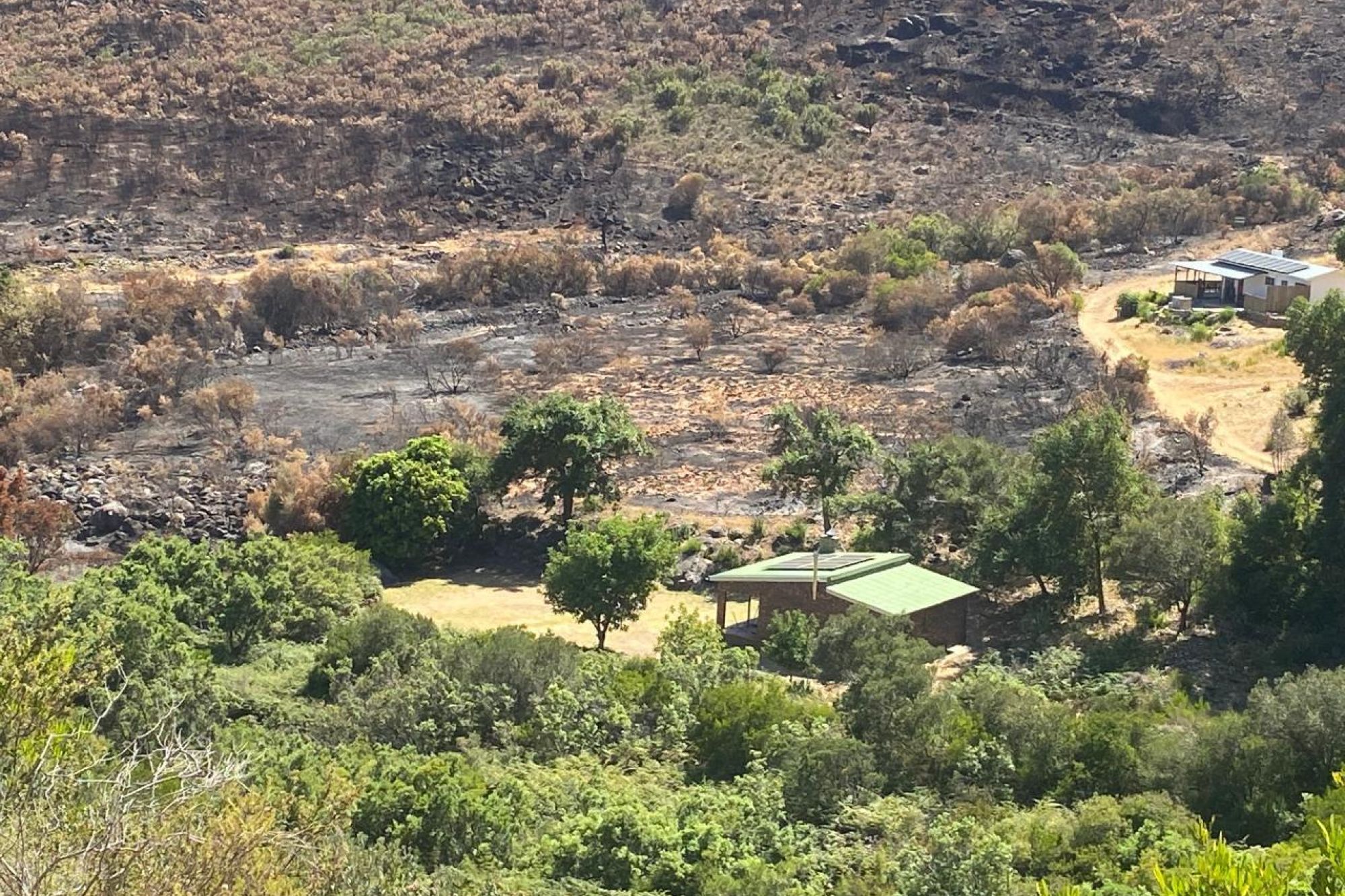
Wind was a primary factor in turning small, manageable fires into large, multi-day events that challenged firefighting crews. Despite the scale of the season, several success stories have emerged largely due to meticulous advanced planning and partner and community collaboration. Firebreaks around staff housing, offices, stores, and tourism cottages created safe anchor points that allowed firefighting operations to proceed without loss of life or infrastructure on CapeNature managed land.
In the Cederberg, a 30-metre-wide firebreak at Algeria Bosdorp, constructed in partnership with the community, enabled successful back-burning operations that saved the settlement from advancing flames. Similarly, coordinated back-burning and burnouts along firebreaks by CapeNature staff and Volunteer Wildfire Services (VWS) prevented structural losses across multiple sites.
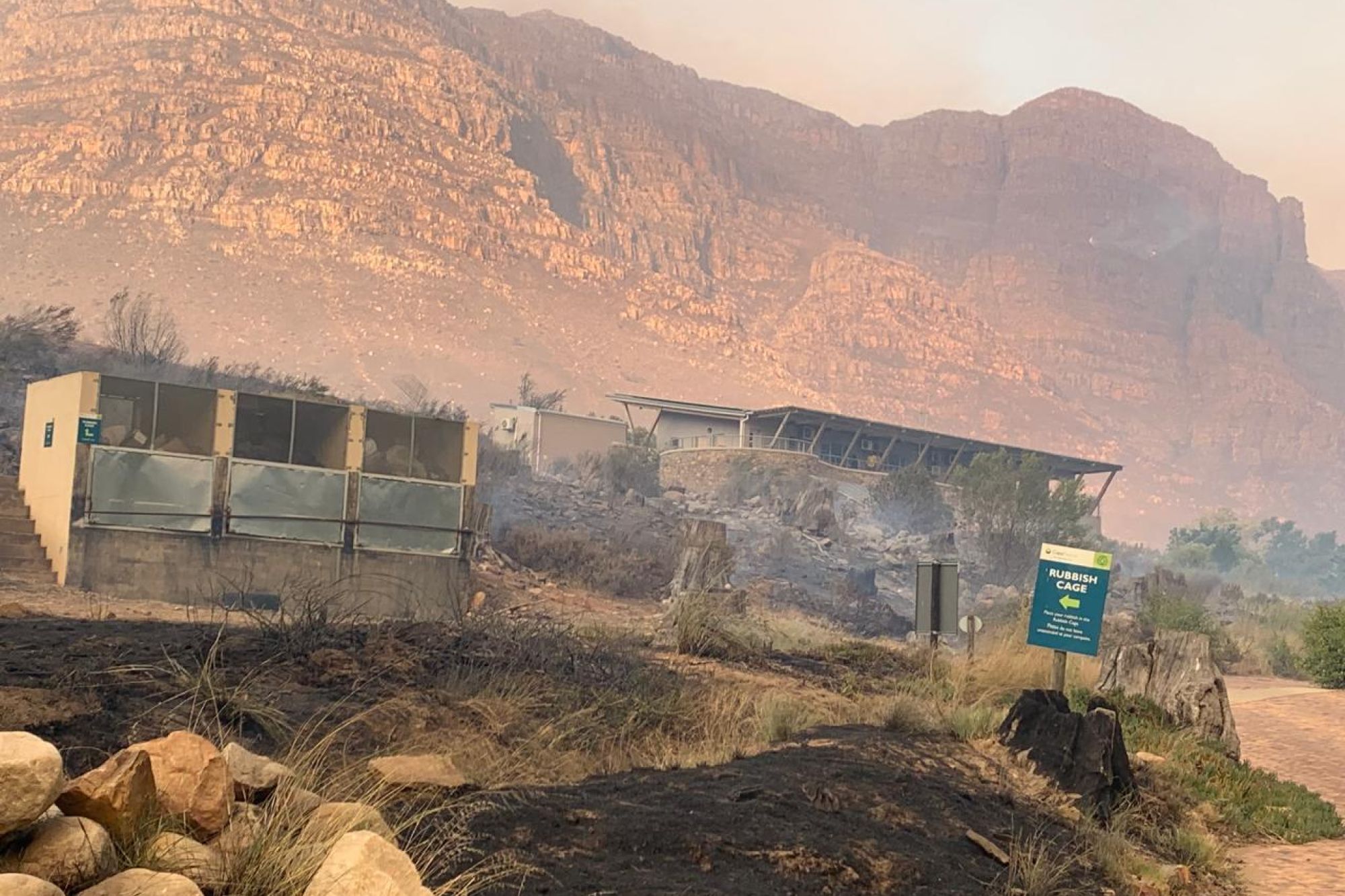
Algeria office from campsite.
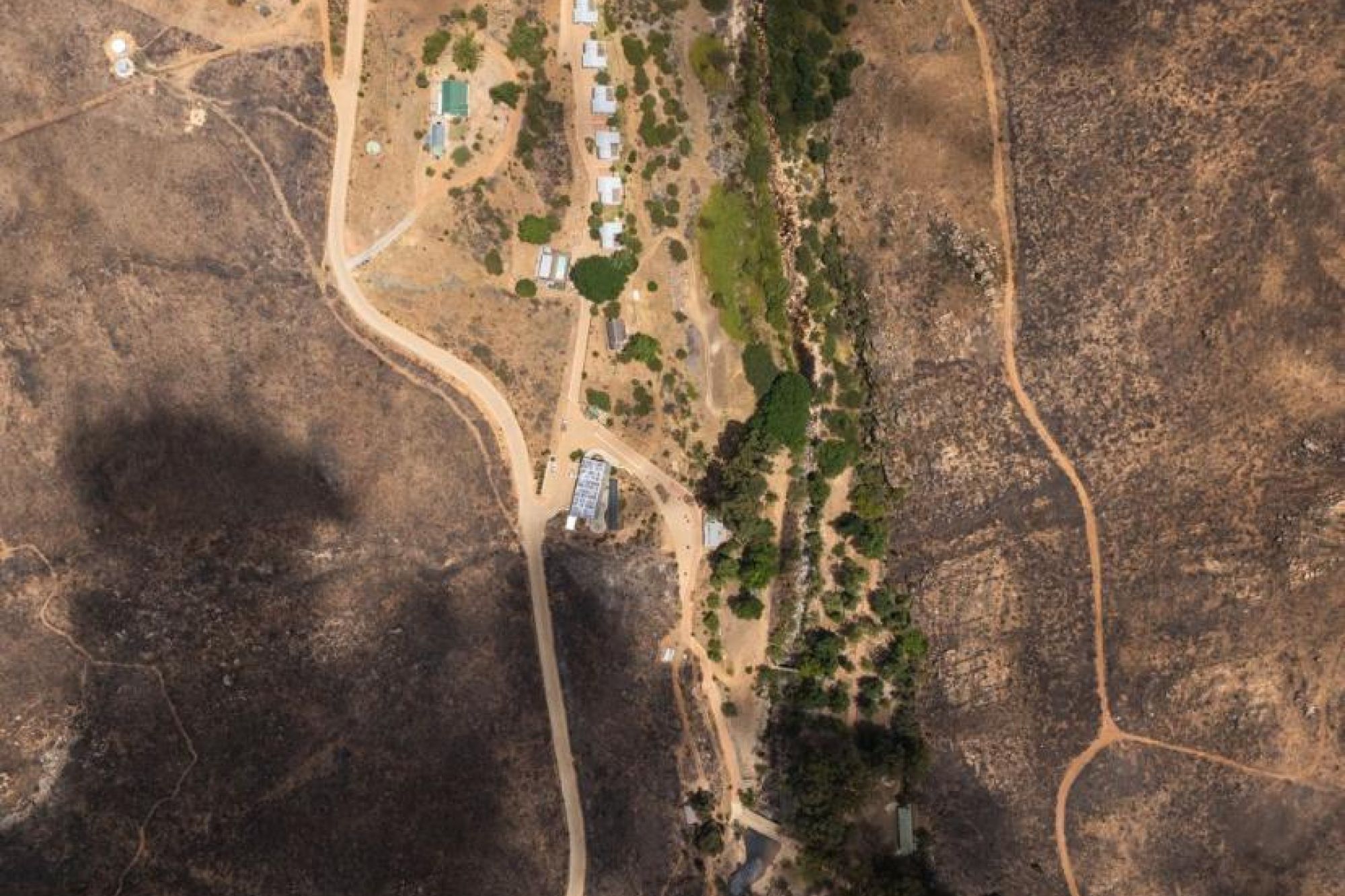
Aerial view - Algeria.
Firebreaks around the Ceder plantations also proved critical, limiting the loss of both saplings and mature trees – a significant conservation victory for one of the region’s most iconic and endangered tree species.
While natural causes such as lightning, rockfalls, and animal activity account for a small fraction of wildfires, most ignitions this season have been human induced. CapeNature continues to call on the public to exercise caution, particularly as dry weather conditions are forecast to continue into the winter months.
According to the South African Weather Service, above-normal temperatures and below-normal precipitation are predicted for the March to May period, which extends the risk well beyond the official end of the fire season.
The financial cost of firefighting efforts for CapeNature alone has already exceeded R15 million, a figure expected to rise with drier than usual winter months ahead.
We are prepared, but we need the public to remain vigilant and mindful. Mindfulness is important, small braais or cooking fires, even throwing out lit cigarettes can be ignition sources for very large fires. One spark in these dry and windy conditions is all it takes to start another catastrophic blaze. The season started earlier and was more intense than in recent years, and has already rewritten the record books. We cannot afford to let it rewrite our landscapes as well. Our brave firefighters within CapeNature and the many other firefighting organisations, as well as volunteers, have worked tirelessly over this period and continue to be vigilant and ready to respond immediately.
Partnerships have been indispensable in managing the crisis, with collaboration among volunteer organisations, neighbouring landowners, Fire Protection Associations, professional firefighting outfits and municipal fire services instrumental in coordinating effective response efforts.
Feature image credit: Peter Hagan/VWS (Volunteer Wildlife Services)
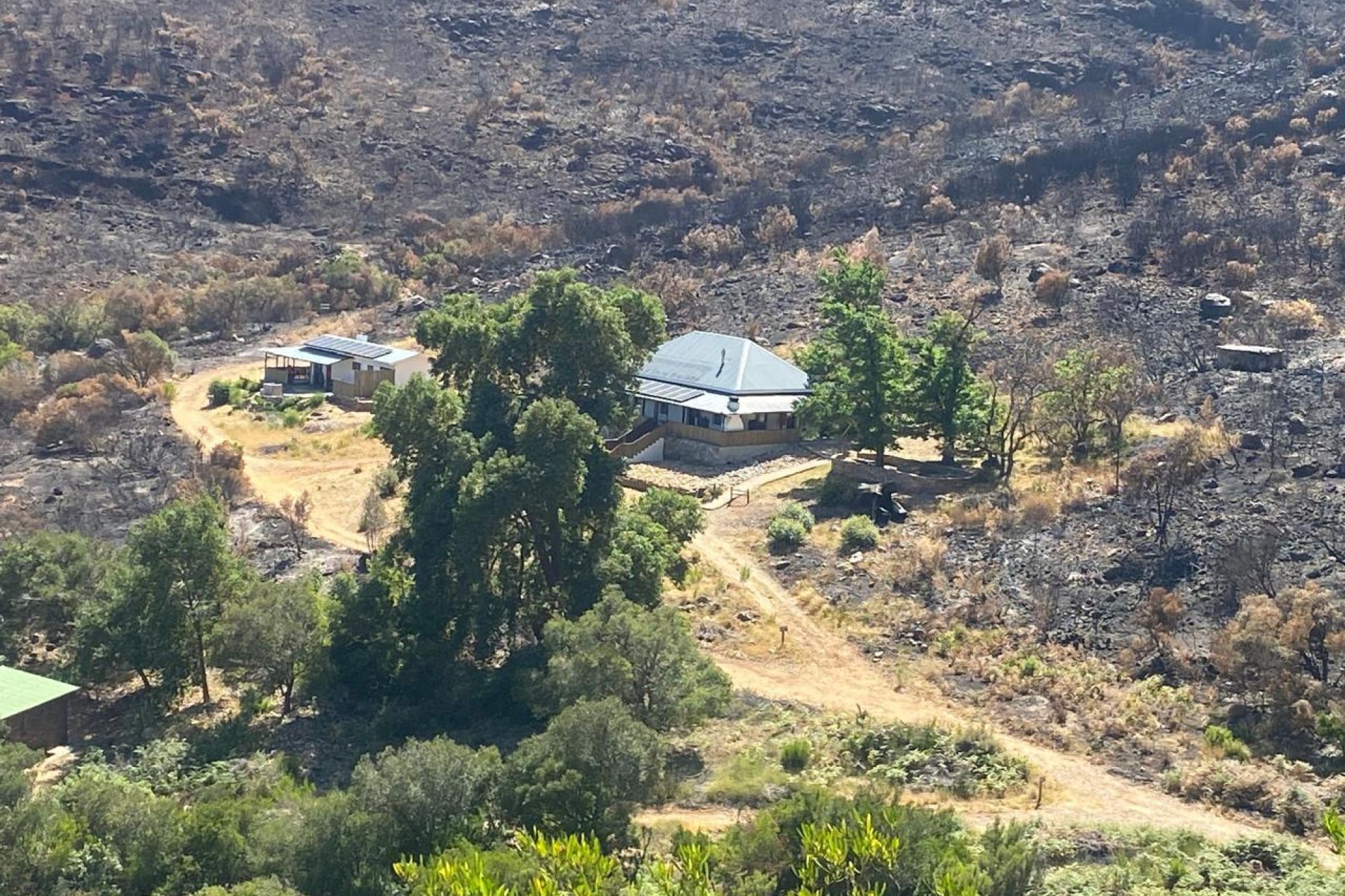
Uitkyk and Waenhuis.
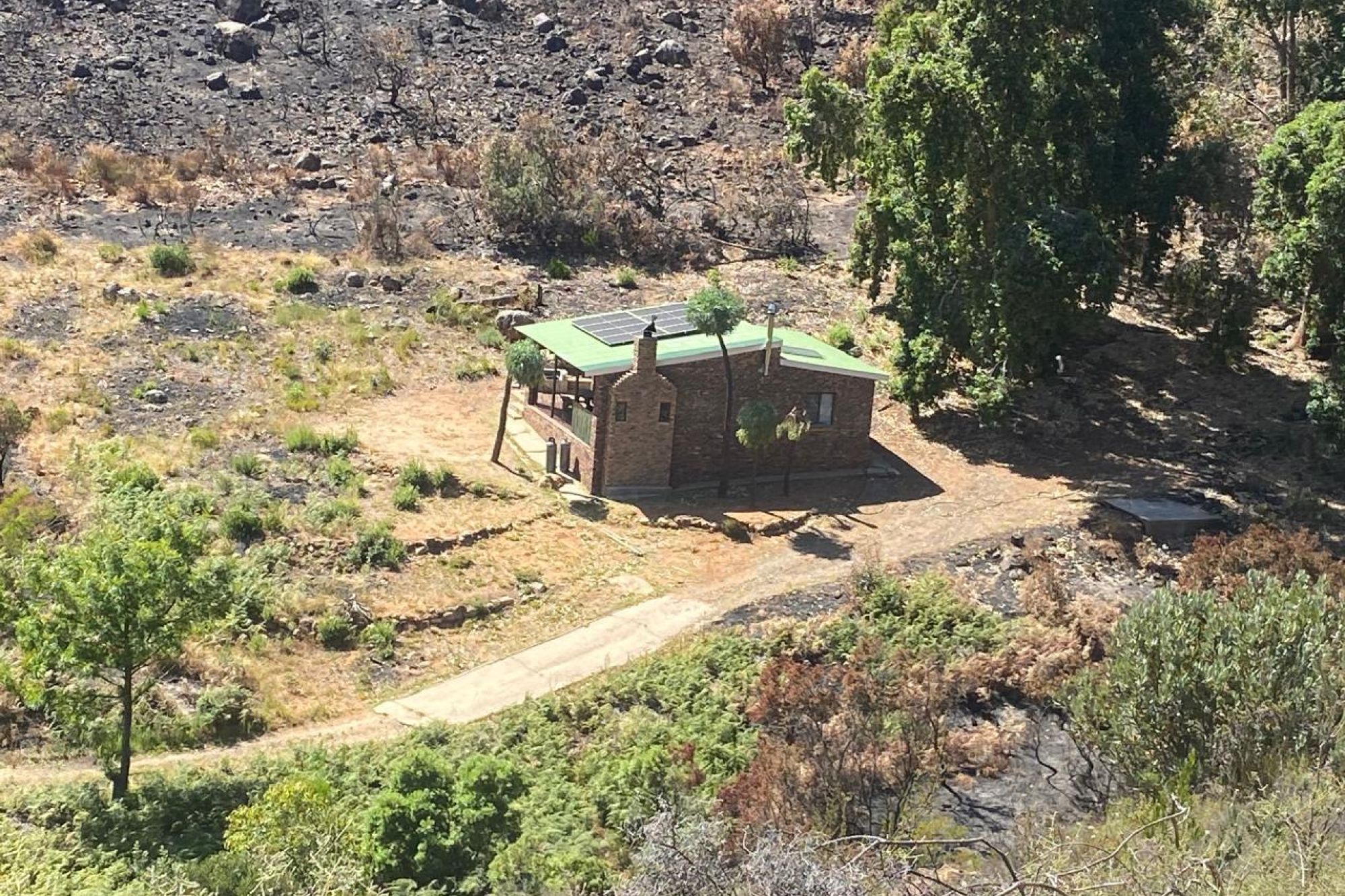
Prik Se Werf.
Peerboom.
Related News

Penguin Palooza 2026 returns to Stony Point in support of African Penguin conservation
Stony Point in Betty’s Bay is one of the last known locations on Earth where African Penguins still breed on the mainland, and the species is under growing pressure. On Saturday, 7 November 2026, Penguin Palooza returns to Stony Point Nature Reserve, giving the public a chance to learn about the species and the work CapeNature, SANCCOB and other partners are doing to protect it.

Robberg Nature Reserve named Best Outdoor Activity in 2026 Readers’ Choice Awards
Robberg Nature Reserve named Best Outdoor Activity in 2026 Readers’ Choice Awards. Robberg Nature Reserve has been named the Best Outdoor Activity in the Best of Knysna & Plett Readers’ Choice Awards 2026. The recognition follows months of nominations and voting by communities across Knysna, Plettenberg Bay and Sedgefield, making the award a meaningful reflection of the place Robberg holds in the local community.

CapeNature maintains clean audit record and expands the Western Cape’s Protected Areas
CapeNature's 2025/26 Annual Report shows the Entity added more than 44 000 hectares to the Western Cape conservation estate over the year. The additions extend protection across mountain catchments that feed the province's water supply, guarding them against the invasive plant growth and wildfire risk that threaten water security. Ultimately the protected areas expansion improves our ability to conserve the rich and unique Western Cape biodiversity.

WESSA recognises 62 Blue Flags and 19 Green Coast sites as South Africa marks 25 years of coastal stewardship
South Africa’s Blue Flag and Green Coast programmes are entering their next chapter with a renewed focus on environmental stewardship, inclusion, community participation and long-term coastal resilience, as WESSA, the Wildlife and Environment Society of South Africa, celebrates 25 years of Blue Flag in South Africa and its own centenary.

CapeNature visitors invited to support communities through new donation scheme
A visit to a CapeNature nature reserve can help a neighbour in need. From 5 October 2026, guests at three participating nature reserves can bring gently used clothing, blankets and other essential items for local non-profit organisations. The first phase of the donation scheme will run at Grootvadersbosch Nature Reserve near Heidelberg, Kogelberg Nature Reserve near Kleinmond, and Cederberg Wilderness Nature Reserve near Clanwilliam.

Radio network upgrade to strengthen emergency communication in Hangklip area
CapeNature and Overstrand Municipality will install a small radio repeater station near Hangklip Peak as part of an upgrade to the region’s radio communication network. The repeater will strengthen the communication networks used by both parties and improve coverage across the Overstrand municipal area, Kogelberg Nature Reserve, Betty’s Bay Marine Protected Area and parts of the City of Cape Town. Reliable radio communication is essential for the daily operations of