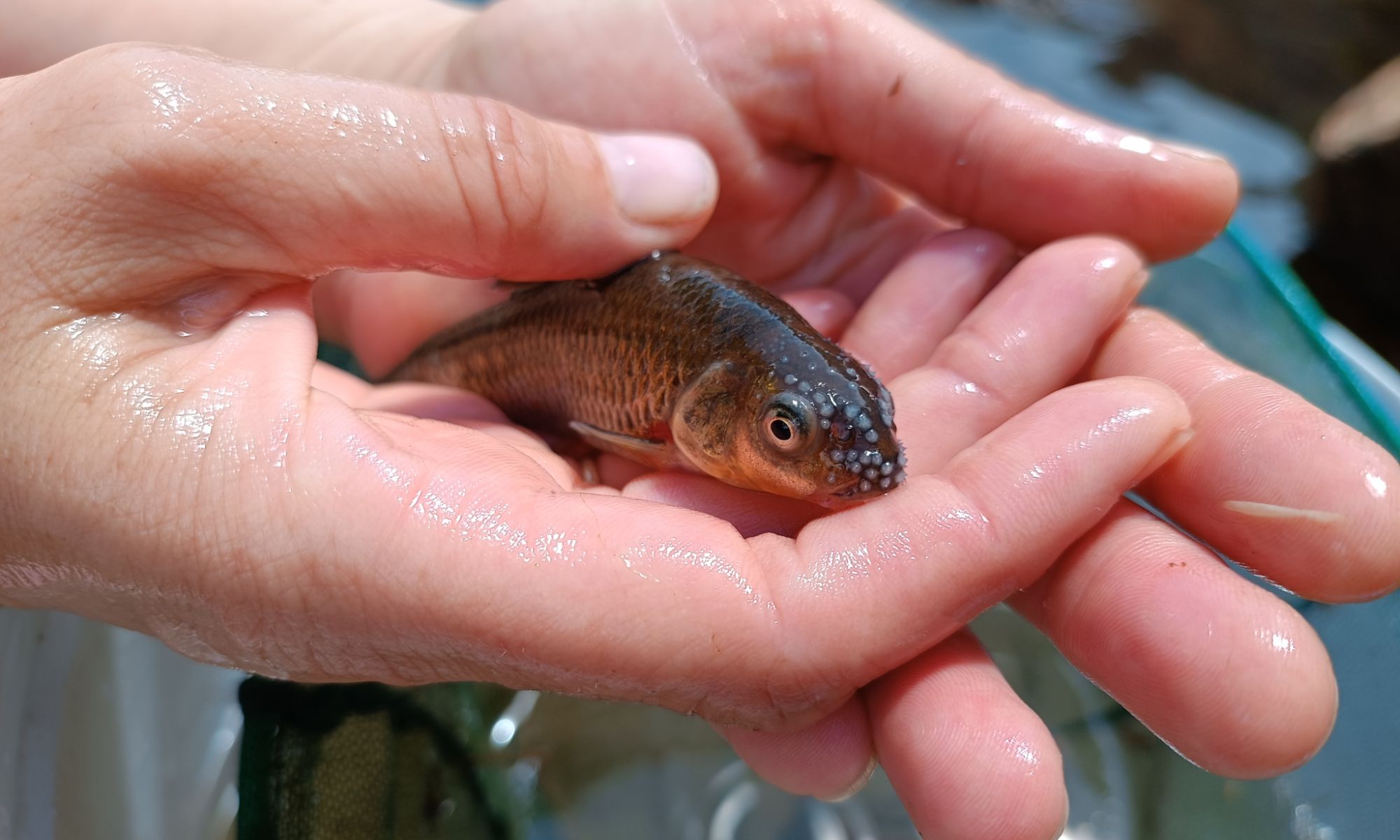
Ongoing efforts to safeguard the Critically Endangered Tradouw redfin through monitoring
The Critically Endangered Tradouw redfin (Pseudobarbus burchelli) is one of South Africa’s most range-restricted freshwater fishes. It is endemic to the Huis–Tradouw River catchment near Barrydale in the Western Cape. The species is listed as Critically Endangered due to its small and fragmented distribution, threats from invasive fish species, pollution, water abstraction, and habitat degradation. Historically the redfin occurred throughout the Tradouw catchment and annual monitoring was initiated in 2012. Data from the monitoring shows that the redfin is experiencing ongoing range decline and that the population in the Tradouw River has dropped to below detectable levels. The remaining stronghold for this species is in the Huis River tributary of the Tradouw River.
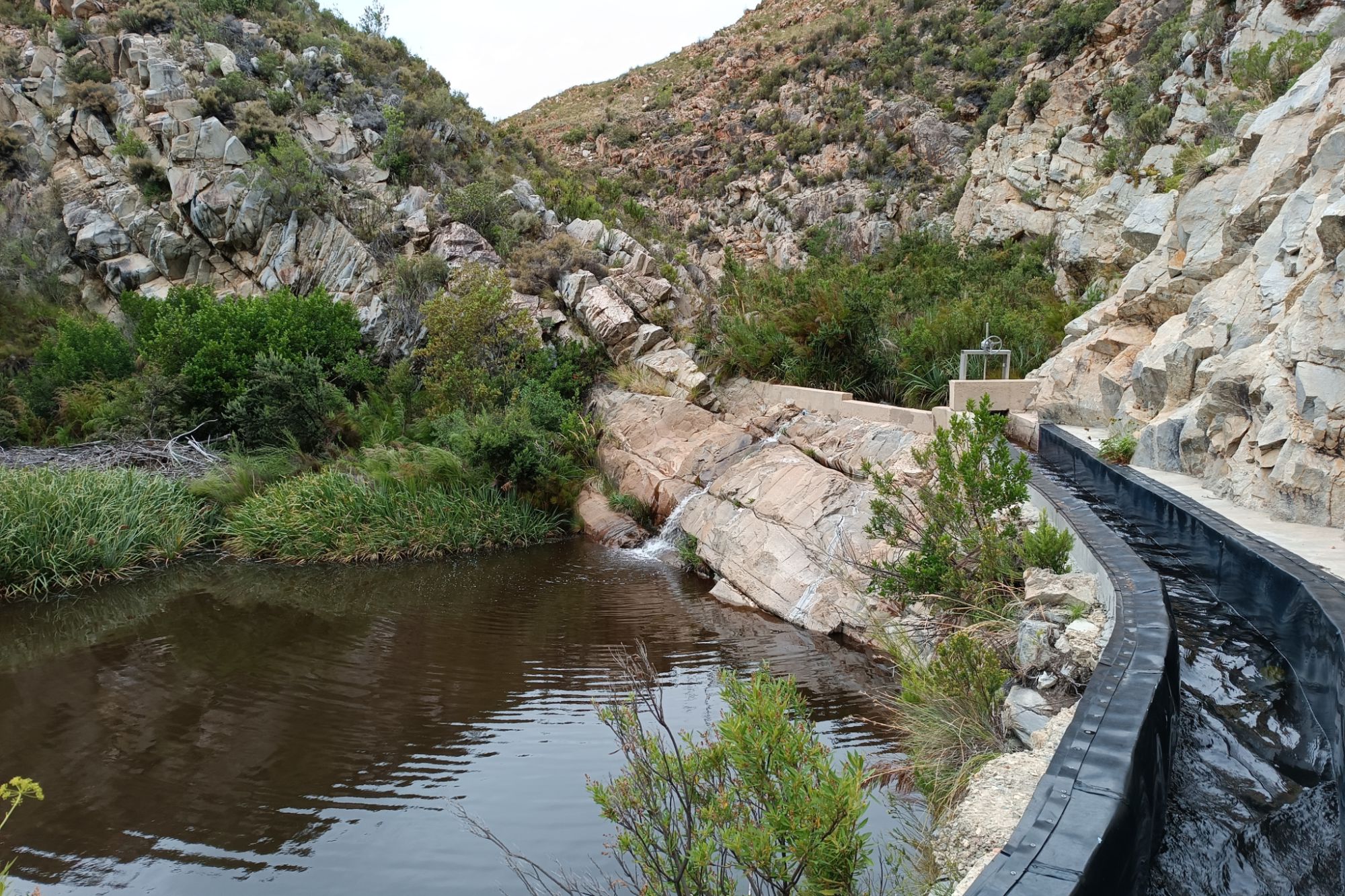
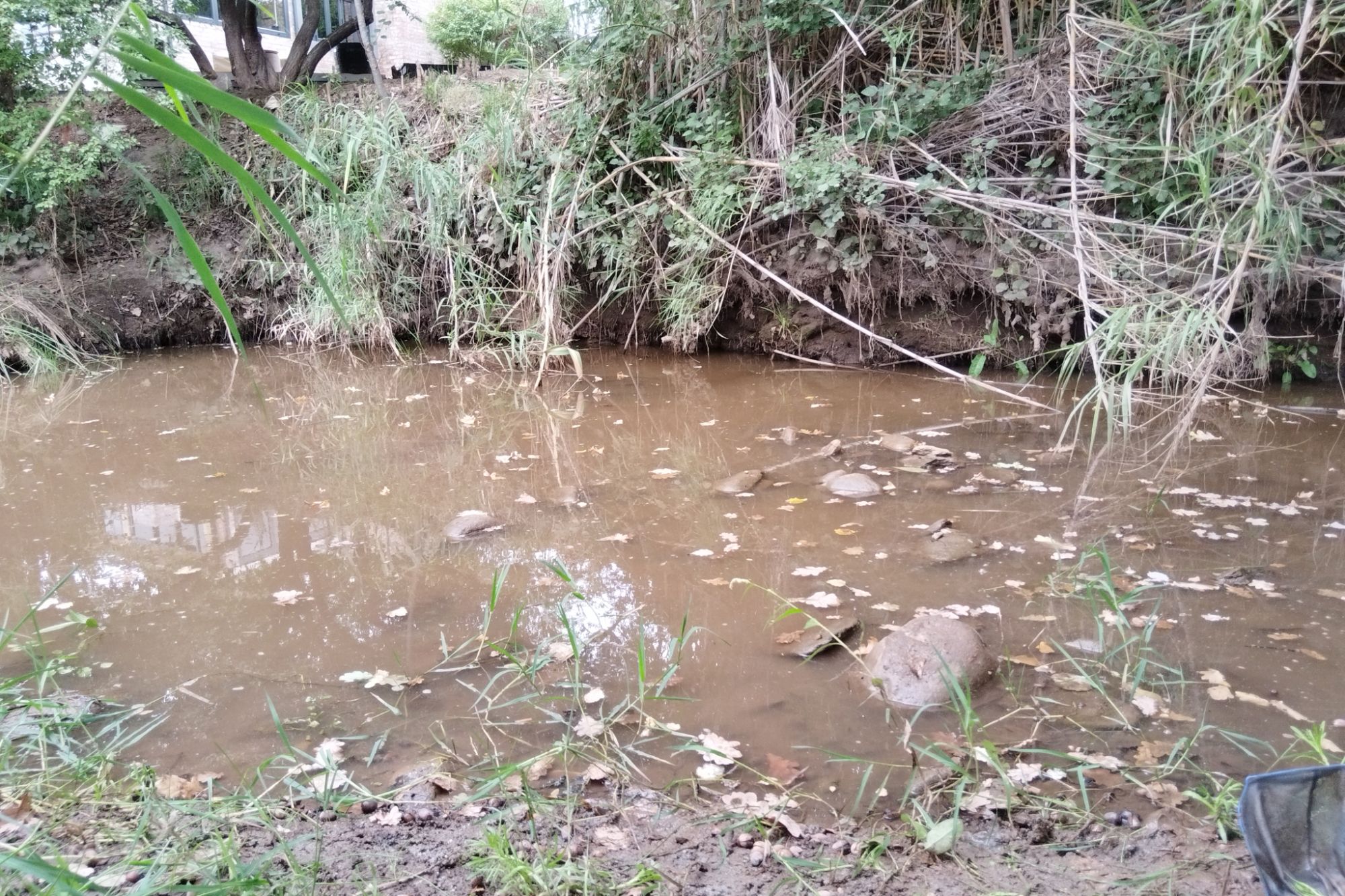
Monitoring data shows that redfin abundance in the upper Huis River is relatively stable and the population comprises several size/age classes. The upper Huis River is also free of any invasive fish and the only impact here is water abstraction for both agricultural and residential use. In contrast, the lower Huis River is severely impacted by anthropogenic activities, and the habitat was in very poor condition at the time of the 2026 sampling event. While the redfins persist in this section of river, they co-exist with invasive banded tilapia (Tilapia sparrmanii). Relative abundance of redfins compared to the banded tilapia is very variable over time and during the 2026 survey redfins comprised just over 10% of all fish caught. Both redfins and banded tilapia had very high ectoparasite loads. The poor water quality and lack of flow is suspected to be one of the drivers of the infection as these parasites were not observed on redfins from the upper Huis River. The parasitology research group at North-West University (NWU) is presently conducting a study on this.
While the upper Huis River sub-population is stable, it is very small, persisting in less than 1km of river, and is highly susceptible to threats. In order to secure the long-term survival of the Tradouw redfin, water use patterns in the greater Huis River catchment must be addressed in order to allow for maintaining environmental flow releases and managing the river to ensure adequate habitat quality for the redfin. In addition, the proposed redfin conservation translocation into suitable habitat in the upper Huis River must be prioritised for implementation, pending the outcome of a risk assessment.
Related News

Penguin Palooza 2026 returns to Stony Point in support of African Penguin conservation
Stony Point in Betty’s Bay is one of the last known locations on Earth where African Penguins still breed on the mainland, and the species is under growing pressure. On Saturday, 7 November 2026, Penguin Palooza returns to Stony Point Nature Reserve, giving the public a chance to learn about the species and the work CapeNature, SANCCOB and other partners are doing to protect it.

Robberg Nature Reserve named Best Outdoor Activity in 2026 Readers’ Choice Awards
Robberg Nature Reserve named Best Outdoor Activity in 2026 Readers’ Choice Awards. Robberg Nature Reserve has been named the Best Outdoor Activity in the Best of Knysna & Plett Readers’ Choice Awards 2026. The recognition follows months of nominations and voting by communities across Knysna, Plettenberg Bay and Sedgefield, making the award a meaningful reflection of the place Robberg holds in the local community.

CapeNature maintains clean audit record and expands the Western Cape’s Protected Areas
CapeNature's 2025/26 Annual Report shows the Entity added more than 44 000 hectares to the Western Cape conservation estate over the year. The additions extend protection across mountain catchments that feed the province's water supply, guarding them against the invasive plant growth and wildfire risk that threaten water security. Ultimately the protected areas expansion improves our ability to conserve the rich and unique Western Cape biodiversity.

WESSA recognises 62 Blue Flags and 19 Green Coast sites as South Africa marks 25 years of coastal stewardship
South Africa’s Blue Flag and Green Coast programmes are entering their next chapter with a renewed focus on environmental stewardship, inclusion, community participation and long-term coastal resilience, as WESSA, the Wildlife and Environment Society of South Africa, celebrates 25 years of Blue Flag in South Africa and its own centenary.

CapeNature visitors invited to support communities through new donation scheme
A visit to a CapeNature nature reserve can help a neighbour in need. From 5 October 2026, guests at three participating nature reserves can bring gently used clothing, blankets and other essential items for local non-profit organisations. The first phase of the donation scheme will run at Grootvadersbosch Nature Reserve near Heidelberg, Kogelberg Nature Reserve near Kleinmond, and Cederberg Wilderness Nature Reserve near Clanwilliam.

Radio network upgrade to strengthen emergency communication in Hangklip area
CapeNature and Overstrand Municipality will install a small radio repeater station near Hangklip Peak as part of an upgrade to the region’s radio communication network. The repeater will strengthen the communication networks used by both parties and improve coverage across the Overstrand municipal area, Kogelberg Nature Reserve, Betty’s Bay Marine Protected Area and parts of the City of Cape Town. Reliable radio communication is essential for the daily operations of