
The perfect time for a family escape into nature
Winter in the Western Cape is often misunderstood. While many people think of it as a season best spent indoors, it is actually one of the most rewarding times to slow down, reconnect, and take a short break close to home.
For domestic travellers, especially families planning around the school holidays, winter offers the ideal opportunity to step away from routine without the stress of long travel or high-season crowds. It is a chance to rediscover what is right on your doorstep.
Whether you're exploring the fynbos-covered mountains of Kogelberg Nature Reserve, spotting birdlife at Rocherpan Nature Reserve, discovering the coastal forests and beaches of Goukamma Nature Reserve, or enjoying peaceful game drives and birdwatching at Vrolijkheid Nature Reserve, every reserve offers its own unique way for families to experience nature together.
A season made for family time
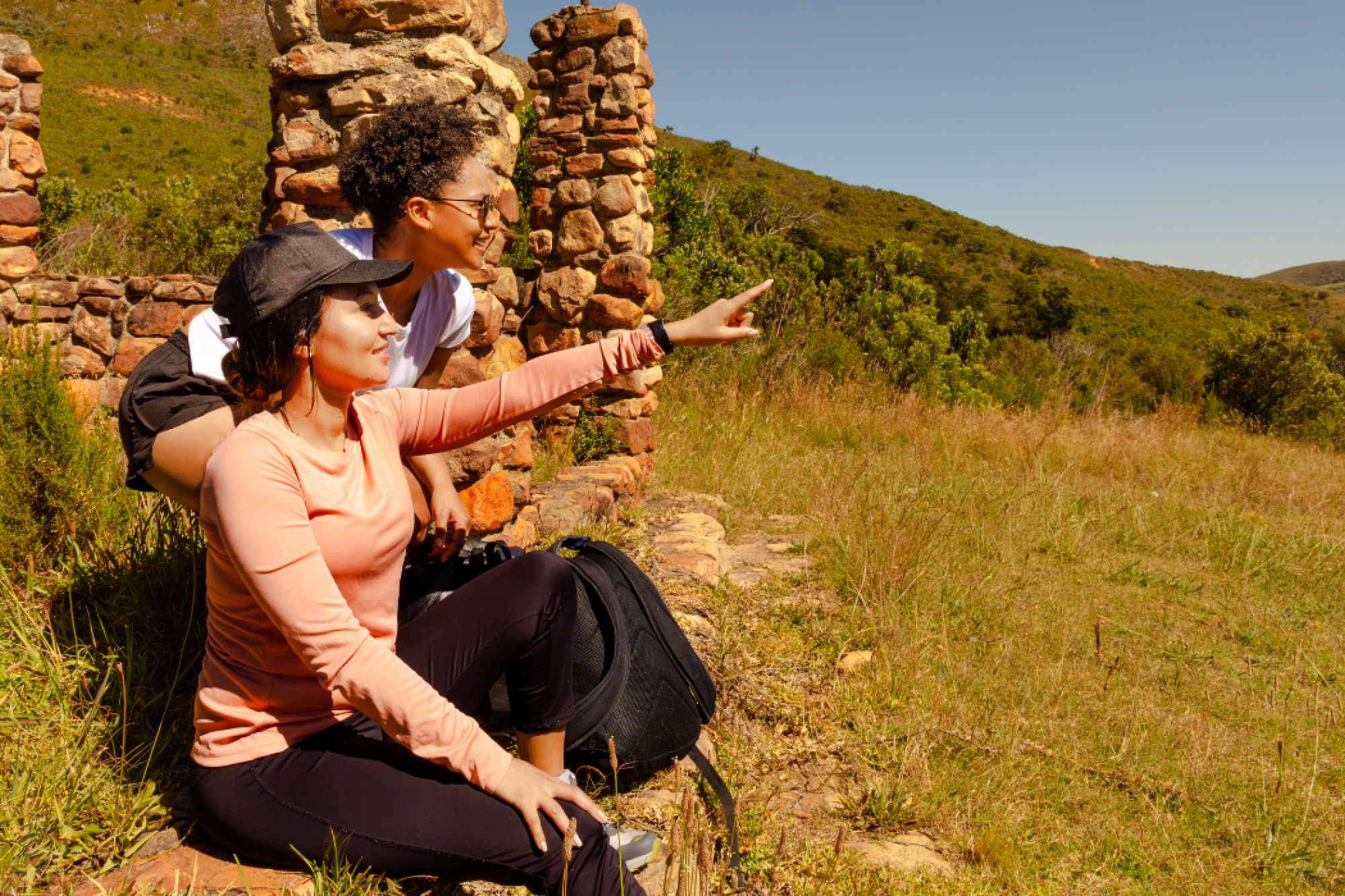
Winter naturally encourages togetherness. With school holidays in full swing, families are looking for meaningful ways to spend time together without relying on screens or busy city activities.
Whether it is a cosy cabin tucked into the mountains, a coastal reserve with dramatic winter scenery, or a peaceful escape surrounded by wetlands and wildlife, these spaces create the kind of shared moments that feel both simple and memorable.
Families staying at Kogelberg can enjoy hiking and walking trails, mountain biking, white-water rafting on the Palmiet River, and even spot southern right whales along the coastline during the winter months. At Goukamma, visitors can explore scenic hiking trails, canoe along the estuary, enjoy birdwatching, or spend time on the unspoilt beach. Rocherpan offers exceptional birdwatching, peaceful walking trails, and seasonal opportunities to see thousands of migratory birds gathering around the wetland. At Vrolijkheid, families can enjoy game drives, walking and mountain biking trails, birdwatching, and the chance to spot zebra, eland, springbok and other wildlife.
Think slow mornings, warm drinks, board games by a fireplace, and crisp winter walks through breathtaking landscapes. These are the experiences that stay with families long after the holiday ends.
Close to home, Far from routine
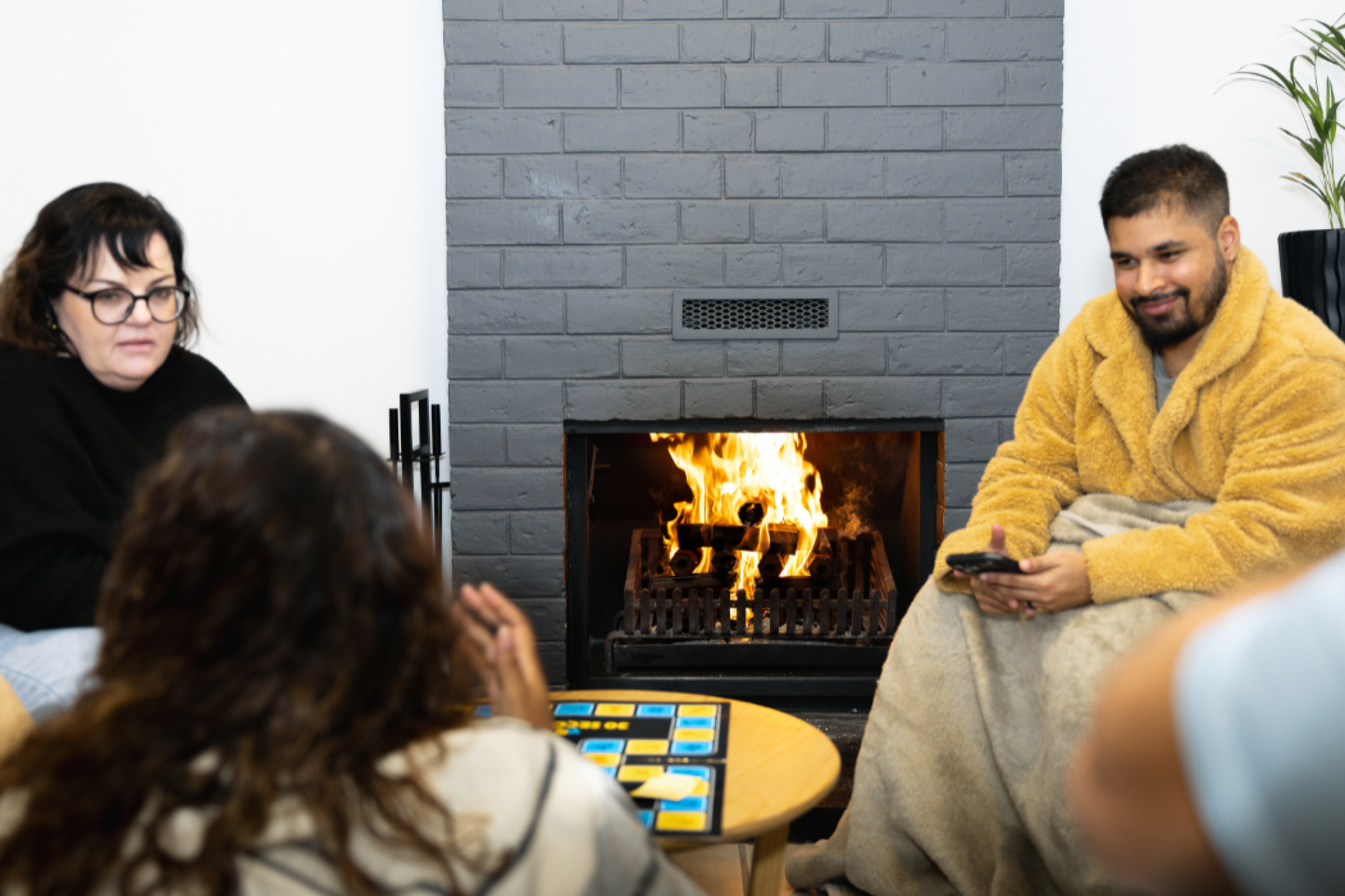
One of the biggest advantages for Western Cape travellers is accessibility. You do not need to plan a complicated trip or fly anywhere. Many of our reserves are just a few hours drive away, making them ideal for quick winter breaks or school holiday stays.
This ease of access transforms winter into something practical and achievable. A weekend away or a mid-week break becomes enough to reset and recharge.
Nature in its most atmospheric season
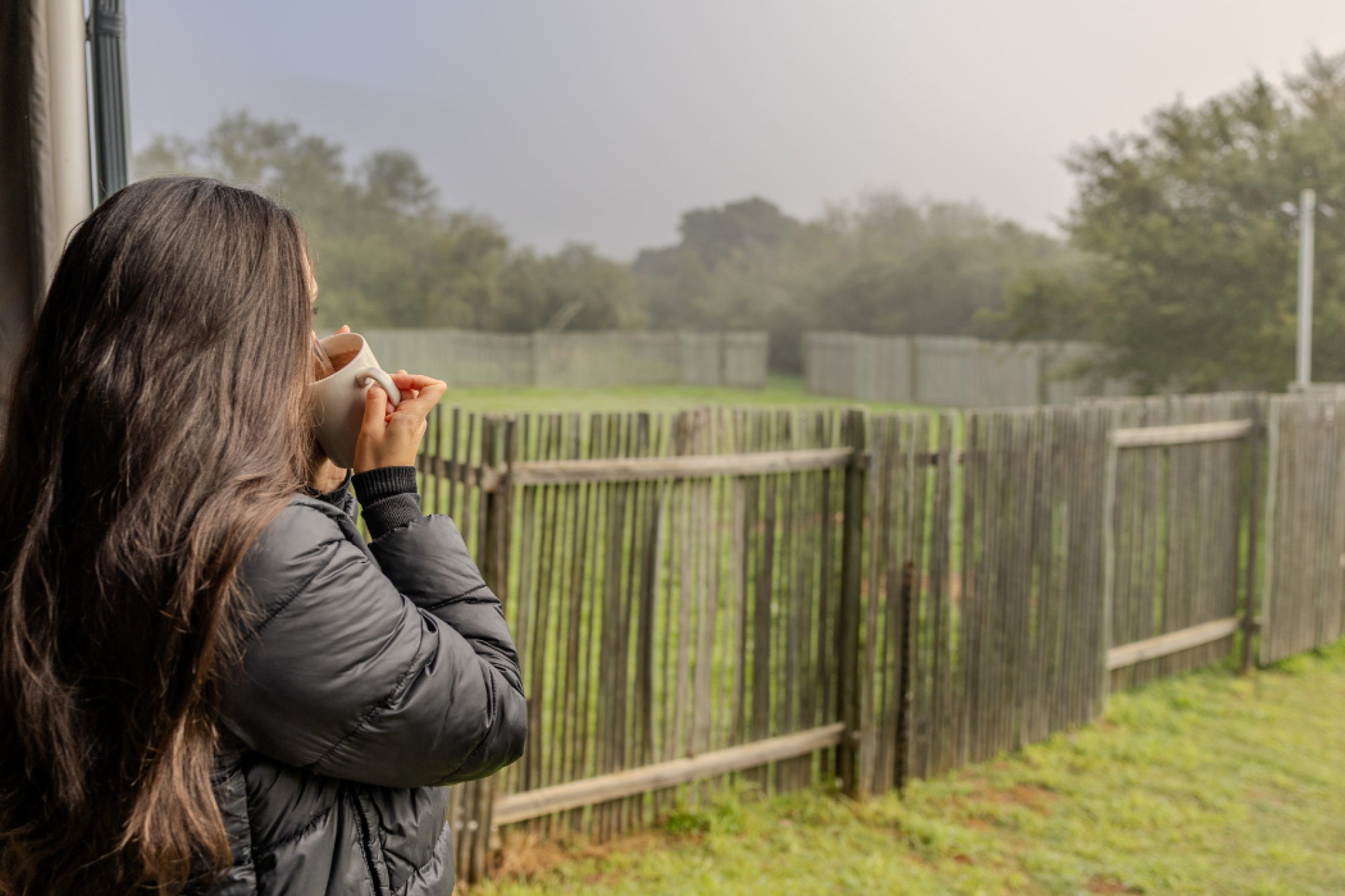
Winter brings a different kind of beauty to the landscape. Mountains feel more dramatic, rivers run stronger, forests become lush, wetlands come alive with birdlife, and the air feels fresher and clearer. It is a season that invites slower exploration.
For families, this creates a unique experience. Children can discover nature in a quieter, more immersive way, while adults get the chance to unwind in peaceful surroundings. It is not about packed itineraries, but about being present in the moment.
Affordable escapes that feel special
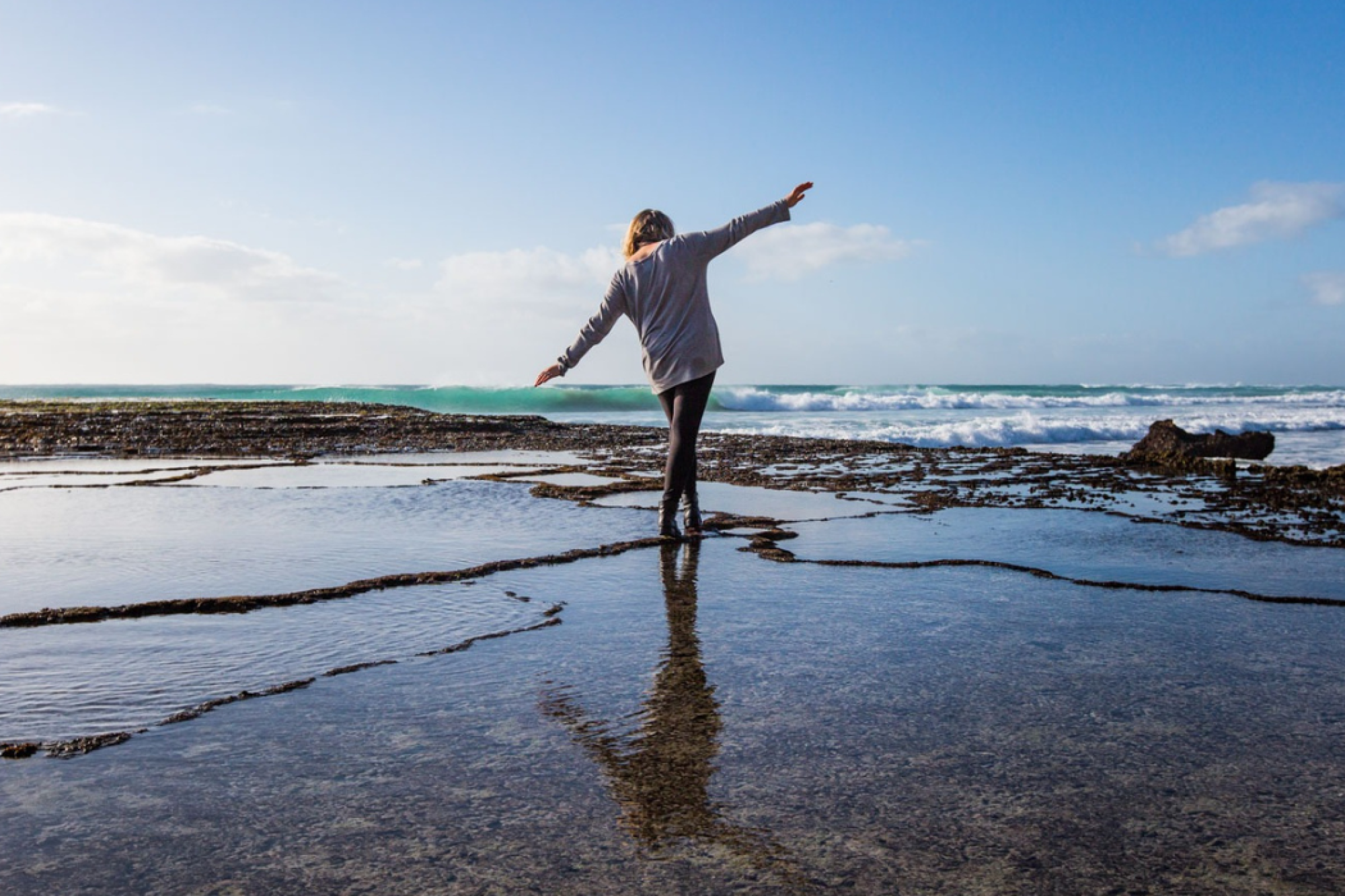
School holidays often come with budget considerations, and winter is a great time to find value-driven getaways without compromising on experience.
Our accommodation offers families the chance to enjoy quality time in nature without the cost and pressure of long-distance travel. It is a reminder that meaningful holidays do not need to be extravagant to feel special.
Reframing winter as the best time to travel
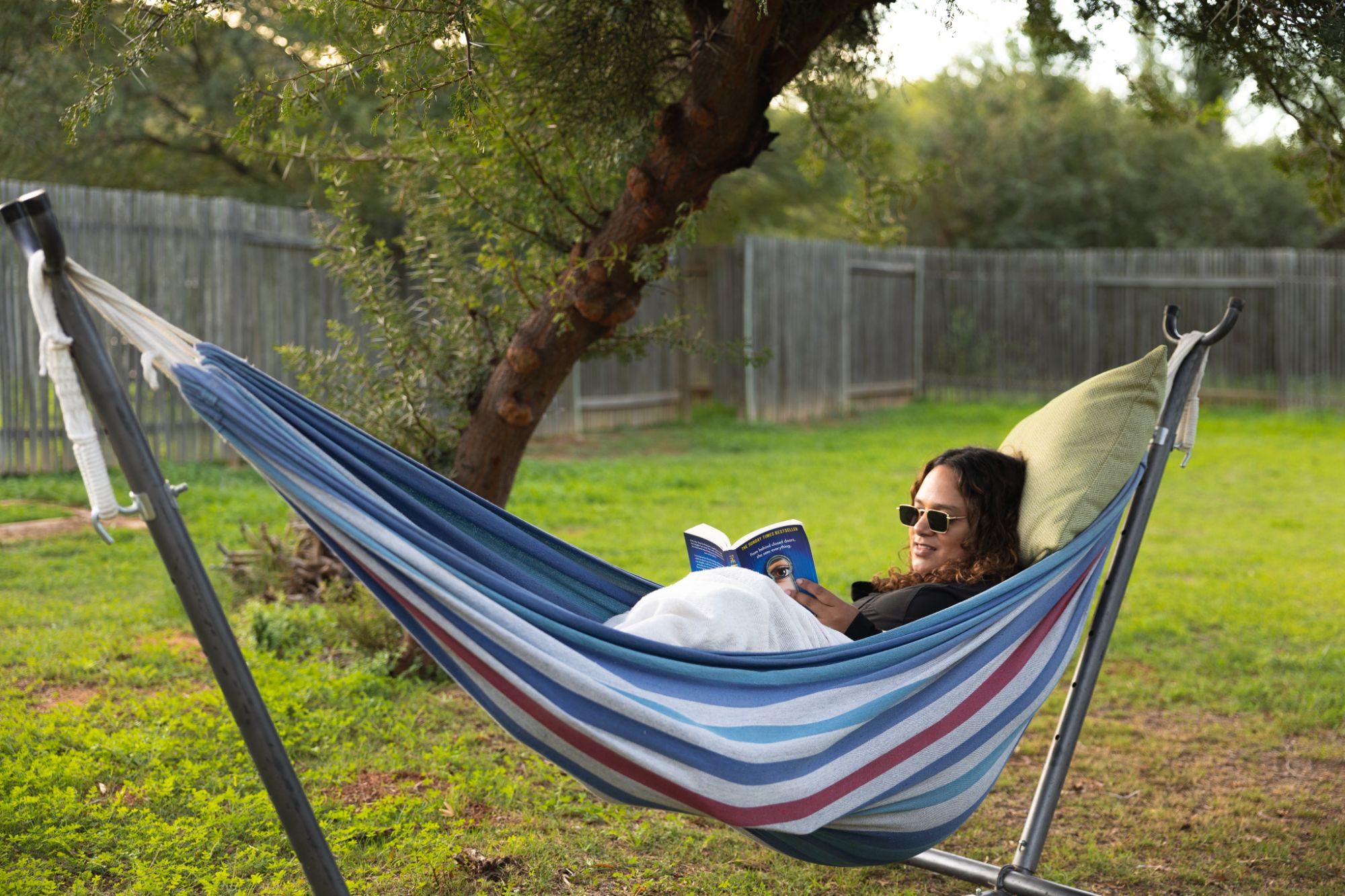
Instead of waiting for summer, winter becomes the ideal season for short, meaningful escapes. It is a time to slow down, reconnect as a family, and enjoy the natural beauty of the Western Cape in a more intimate way.
Whether you're hiking through the Kogelberg mountains, paddling the waterways of Goukamma, watching flocks of birds at Rocherpan, or spotting wildlife at Vrolijkheid, every reserve offers a memorable winter adventure waiting to be discovered.
For local travellers, this is not the off-season. It is the season of togetherness, warmth, adventure, and rediscovery.
Related News

Robberg Nature Reserve named Best Outdoor Activity in 2026 Readers’ Choice Awards
Robberg Nature Reserve named Best Outdoor Activity in 2026 Readers’ Choice Awards. Robberg Nature Reserve has been named the Best Outdoor Activity in the Best of Knysna & Plett Readers’ Choice Awards 2026. The recognition follows months of nominations and voting by communities across Knysna, Plettenberg Bay and Sedgefield, making the award a meaningful reflection of the place Robberg holds in the local community.

CapeNature maintains clean audit record and expands the Western Cape’s Protected Areas
CapeNature's 2025/26 Annual Report shows the Entity added more than 44 000 hectares to the Western Cape conservation estate over the year. The additions extend protection across mountain catchments that feed the province's water supply, guarding them against the invasive plant growth and wildfire risk that threaten water security. Ultimately the protected areas expansion improves our ability to conserve the rich and unique Western Cape biodiversity.

WESSA recognises 62 Blue Flags and 19 Green Coast sites as South Africa marks 25 years of coastal stewardship
South Africa’s Blue Flag and Green Coast programmes are entering their next chapter with a renewed focus on environmental stewardship, inclusion, community participation and long-term coastal resilience, as WESSA, the Wildlife and Environment Society of South Africa, celebrates 25 years of Blue Flag in South Africa and its own centenary.

CapeNature visitors invited to support communities through new donation scheme
A visit to a CapeNature nature reserve can help a neighbour in need. From 5 October 2026, guests at three participating nature reserves can bring gently used clothing, blankets and other essential items for local non-profit organisations. The first phase of the donation scheme will run at Grootvadersbosch Nature Reserve near Heidelberg, Kogelberg Nature Reserve near Kleinmond, and Cederberg Wilderness Nature Reserve near Clanwilliam.

Radio network upgrade to strengthen emergency communication in Hangklip area
CapeNature and Overstrand Municipality will install a small radio repeater station near Hangklip Peak as part of an upgrade to the region’s radio communication network. The repeater will strengthen the communication networks used by both parties and improve coverage across the Overstrand municipal area, Kogelberg Nature Reserve, Betty’s Bay Marine Protected Area and parts of the City of Cape Town. Reliable radio communication is essential for the daily operations of

State of Conservation Report 2026 tracks progress and pressures facing Western Cape biodiversity
The Western Cape’s biodiversity is facing mounting pressure, with a sharp increase in the area affected by fires and more ecosystems and species classified as threatened, according to the Western Cape State of Conservation Report 2026. The report records 107 fires that burned 215 936 hectares during the 2025/26 reporting period – almost three times the 75 174 hectares burned by 97 fires in the previous reporting period.