
Impact of Inclement Weather across CapeNature Reserves in May 2026
The last bout of extreme weather began in early May, when a cut-off low-pressure system hit the Garden Route. A week later, two powerful cold fronts swept through the rest of the Province, unleashing torrential rains and gale-force winds. The result has been widespread damage, with 85% of all reserves reporting at least some form of damage. The Cederberg region has emerged as the hardest hit. Still reeling from a devastating fire in December that burnt 53 000 hectares, the area has now been subjected to severe flooding. The deluge has washed vast quantities of topsoil into rivers and onto roadways, compounding the ecological scars left by the fire. Other reserves have reported damage to essential infrastructure, including roads, hiking trails, office buildings, storage facilities, and staff housing.
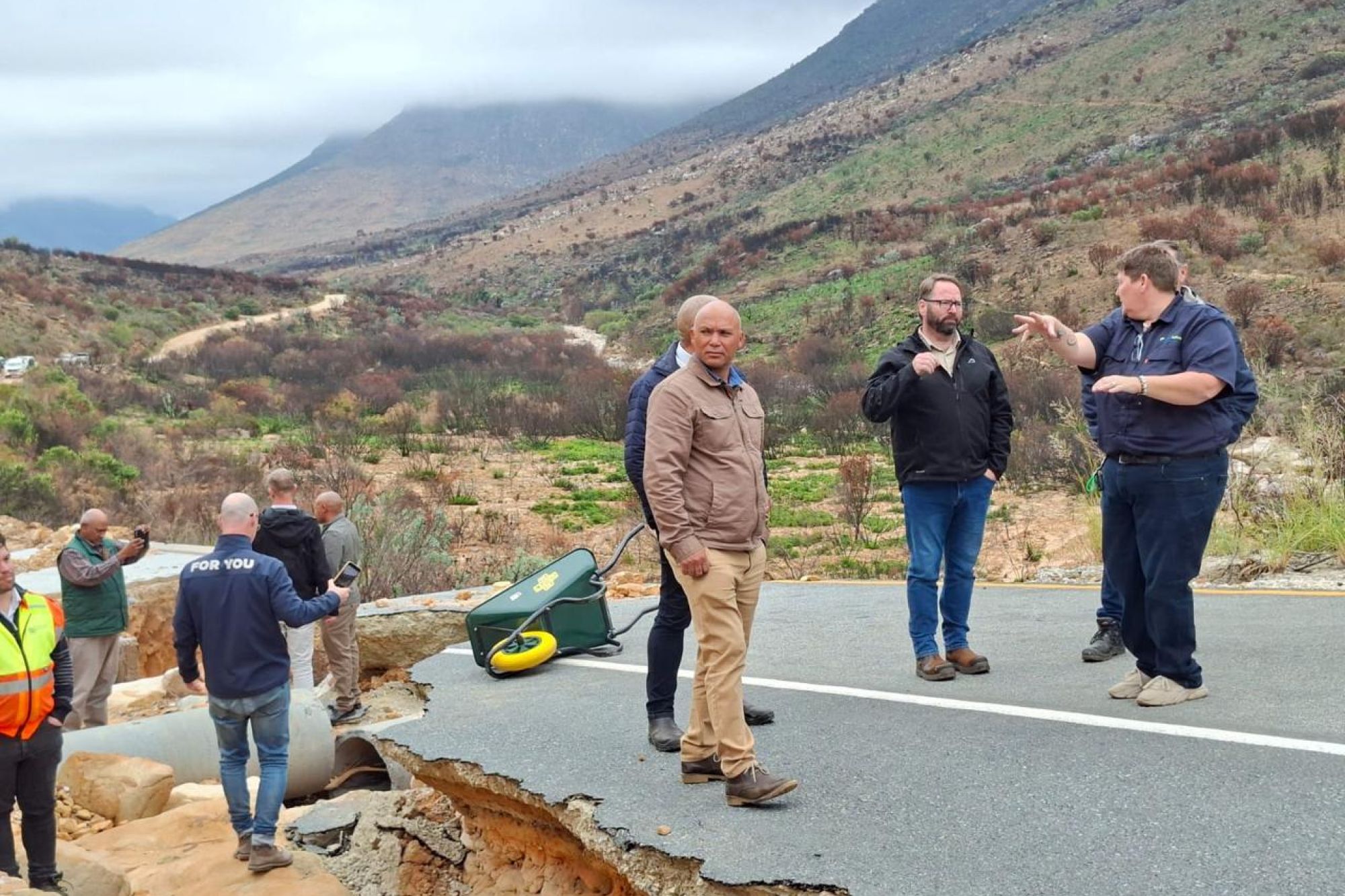
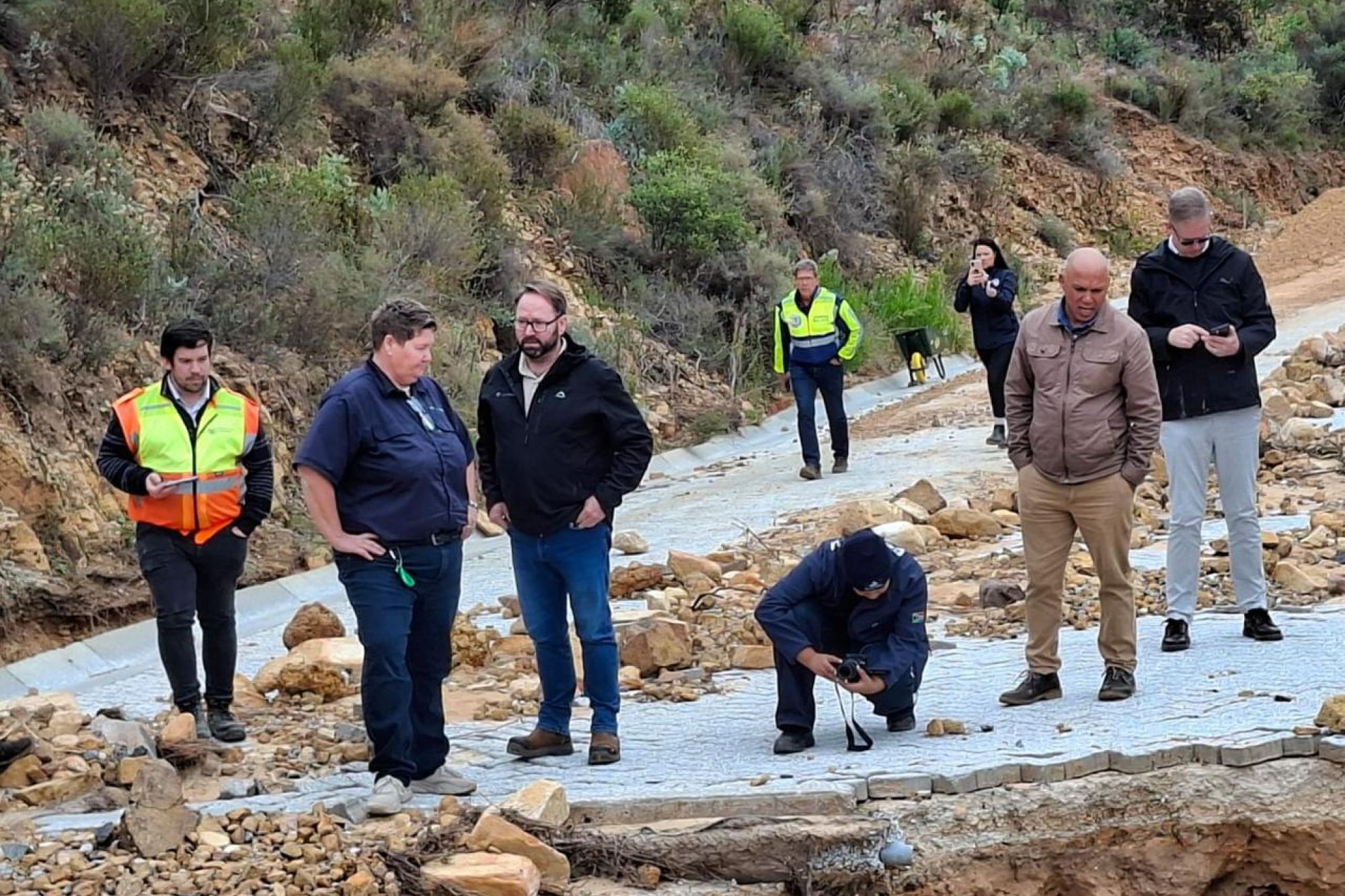
CapeNature was able to secure additional funding from a national disaster declaration in 2023 and 2024, and these funds were channelled into repairing the damage caused by earlier floods. Yet the latest storms have inflicted new costly damage to nature reserves — much of it to the very same infrastructure that had just been rebuilt. The Entity is still counting the costs, with the damage estimated to be millions of rands.
While the aftermath of this weather is a blow to CapeNature’s efforts to rebuild and to the Province’s ‘build-back-better’ philosophy, a full re-evaluation of all completed work and assessment of fresh damage is being done to quantify the full impact. In response, CapeNature staff, alongside officials from the Department of Infrastructure, will embark on a comprehensive damage assessment tour of CapeNature’s reserves from 8 to 12 June.
Despite the devastation, there is a silver lining because the flooding occurred so early in the winter season, many of the dams were not yet at full capacity and were able to serve as flood attenuation structures, absorbing excess runoff and reducing the potential for even greater erosion and inundation. The release of this water will have to be done with extreme caution in the coming weeks and months to ensure that dams do not inadvertently add to flood risks. As the winter settles in, we hope for a milder and more stable cold season ahead.
Related News

WESSA recognises 62 Blue Flags and 19 Green Coast sites as South Africa marks 25 years of coastal stewardship
South Africa’s Blue Flag and Green Coast programmes are entering their next chapter with a renewed focus on environmental stewardship, inclusion, community participation and long-term coastal resilience, as WESSA, the Wildlife and Environment Society of South Africa, celebrates 25 years of Blue Flag in South Africa and its own centenary.

CapeNature visitors invited to support communities through new donation scheme
A visit to a CapeNature nature reserve can help a neighbour in need. From 5 October 2026, guests at three participating nature reserves can bring gently used clothing, blankets and other essential items for local non-profit organisations. The first phase of the donation scheme will run at Grootvadersbosch Nature Reserve near Heidelberg, Kogelberg Nature Reserve near Kleinmond, and Cederberg Wilderness Nature Reserve near Clanwilliam.

Radio network upgrade to strengthen emergency communication in Hangklip area
CapeNature and Overstrand Municipality will install a small radio repeater station near Hangklip Peak as part of an upgrade to the region’s radio communication network. The repeater will strengthen the communication networks used by both parties and improve coverage across the Overstrand municipal area, Kogelberg Nature Reserve, Betty’s Bay Marine Protected Area and parts of the City of Cape Town. Reliable radio communication is essential for the daily operations of

State of Conservation Report 2026 tracks progress and pressures facing Western Cape biodiversity
The Western Cape’s biodiversity is facing mounting pressure, with a sharp increase in the area affected by fires and more ecosystems and species classified as threatened, according to the Western Cape State of Conservation Report 2026. The report records 107 fires that burned 215 936 hectares during the 2025/26 reporting period – almost three times the 75 174 hectares burned by 97 fires in the previous reporting period.

El Niño raises fire risk as Western Cape prepares for a challenging fire season
The Western Cape is preparing for a potentially challenging wildfire season, with the developing El Niño weather pattern expected to contribute to hotter and drier conditions and an increased risk of wildfires across the province. The South African Weather Service has warned of below-normal rainfall associated with the expected strong El Niño during the coming summer season. While El Niño does not automatically mean that every part of the province will experience drought

Cape fur seal safety remains important this World Rabies Day
On World Rabies Day (28 September), CapeNature is reminding residents and visitors to keep a safe distance from Cape fur seals and to act immediately if they or their pets are bitten, scratched or exposed to a seal’s saliva. Rabies has been detected in Cape fur seals along the South African coastline and by the end of 2025, at least 176 people had been bitten by seals. While most seals do not pose a threat to people, they are wild animals and should never be approached, touched, fed or encouraged to interact with humans.