
Over 43 000 Cape Gannets on Lambert’s Bay Bird Island this breeding season
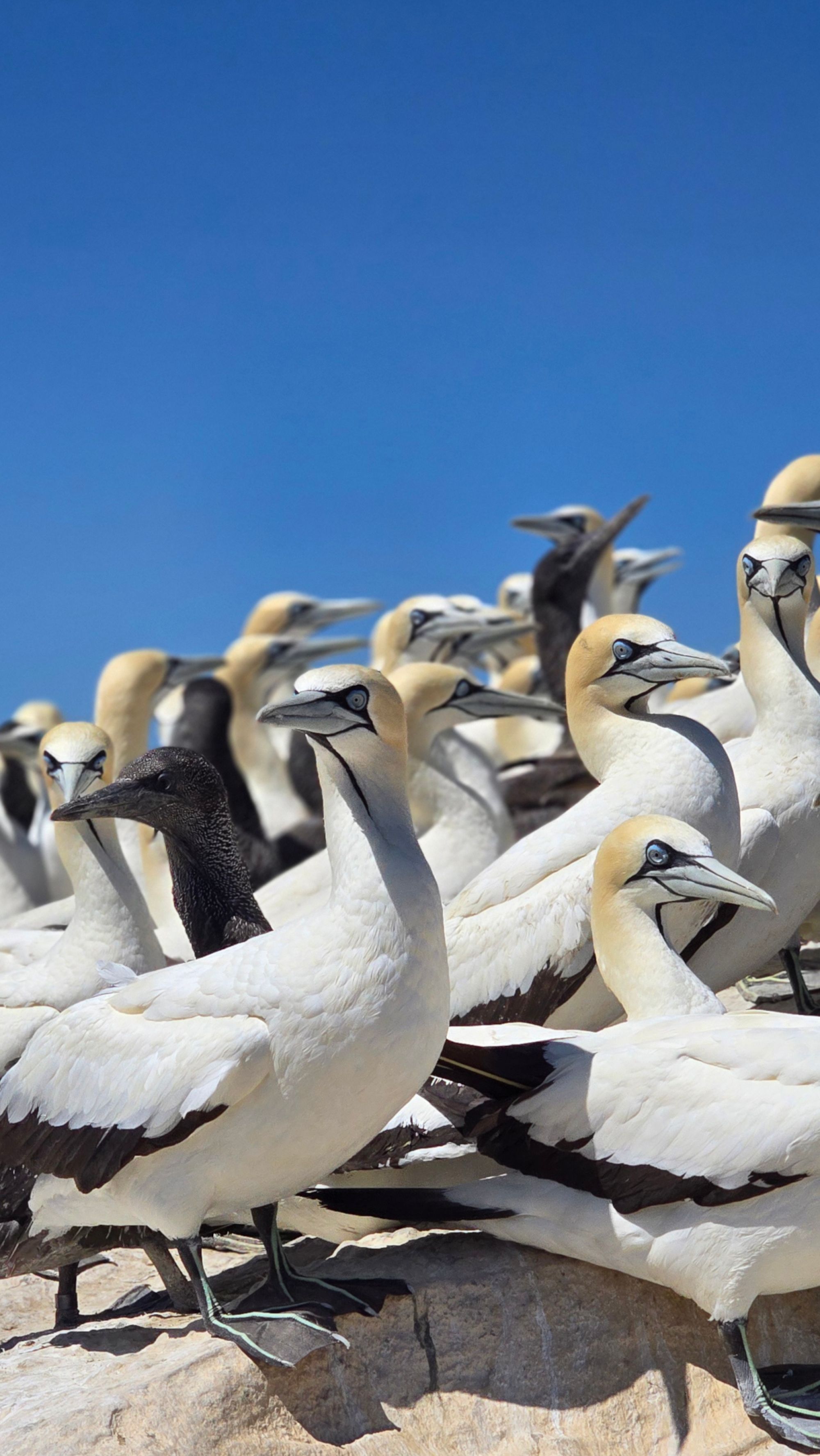
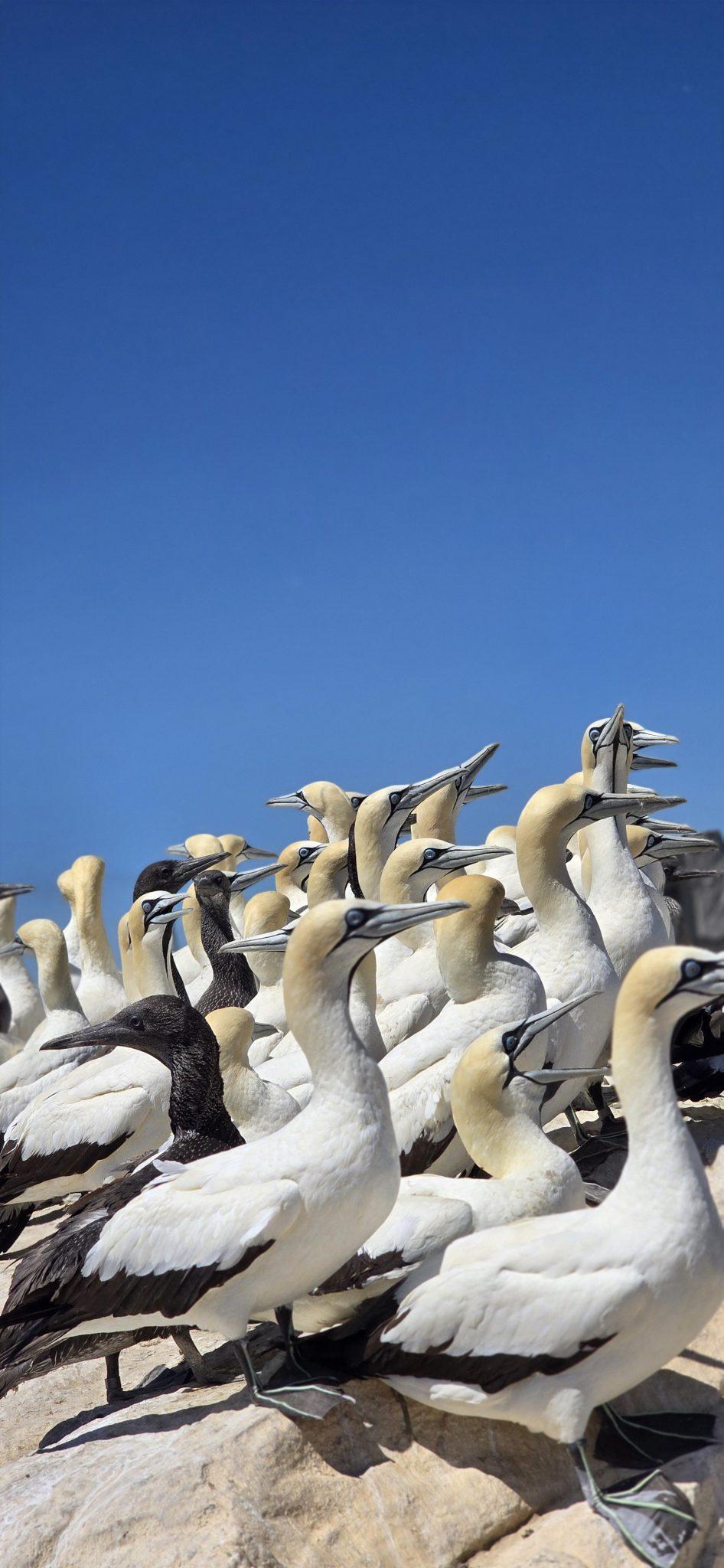
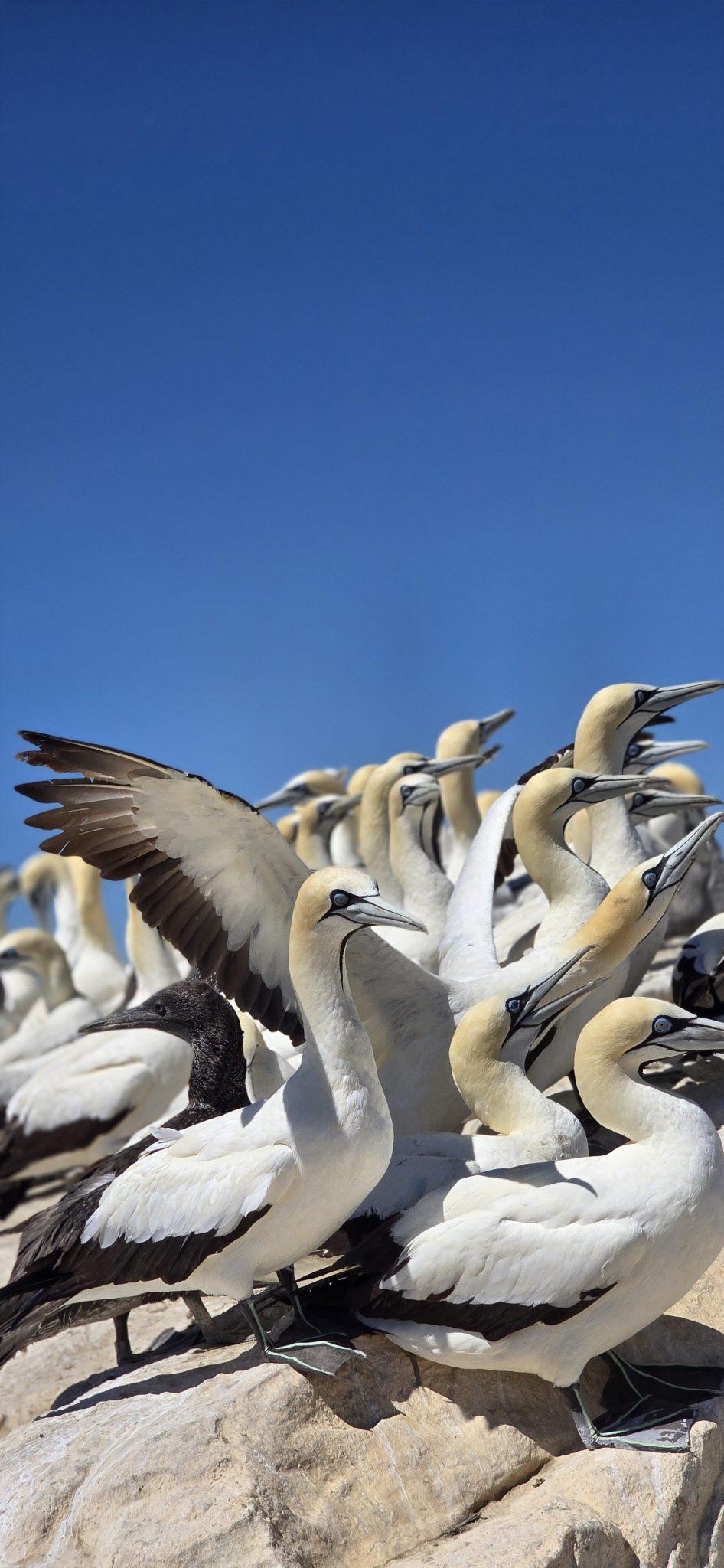
Bird Island is alive with the sounds and spectacle of seabirds, with an estimated over 43 000 Cape Gannets currently making the island their home this breeding season. The thriving colony reinforces Bird Island, Lambert’s Bay, as one of South Africa’s most important gannet breeding sites and highlights the impact of ongoing marine conservation work.
The conservation team at Bird Island is encouraged by the sustained strong presence of gannets on the island. Work is currently underway to enhance population monitoring and improve the accuracy of long-term data. The Cape Gannet is listed as Endangered on the IUCN Red List and Vulnerable on the SANBI Red List.
Restoring and maintaining the gannet colony has not been without challenges. In December 2005, on-land seal predation caused the entire colony to abandon the island. Through careful management by CapeNature, mitigation measures were implemented to manage predators, and bird decoys were used to lure the birds back, enabling the colony to rebuild.
Over the past year, the population has increased to well into the 40 000s, compared to consistently remaining in the 30 000s over the previous five years. This notable growth is not only the result of local breeding success but also suggests that gannets from other colonies are selecting Bird Island as a preferred breeding site.
This kind of sustained occupancy is a positive sign for the species and for the marine environment that supports them. Large, stable gannet colonies like the one on Bird Island are important indicators of ocean health along the West Coast. These seabirds rely on healthy marine ecosystems for their nutrition and breeding success, so when we see them in large numbers, it reflects a positive conservation outcome.
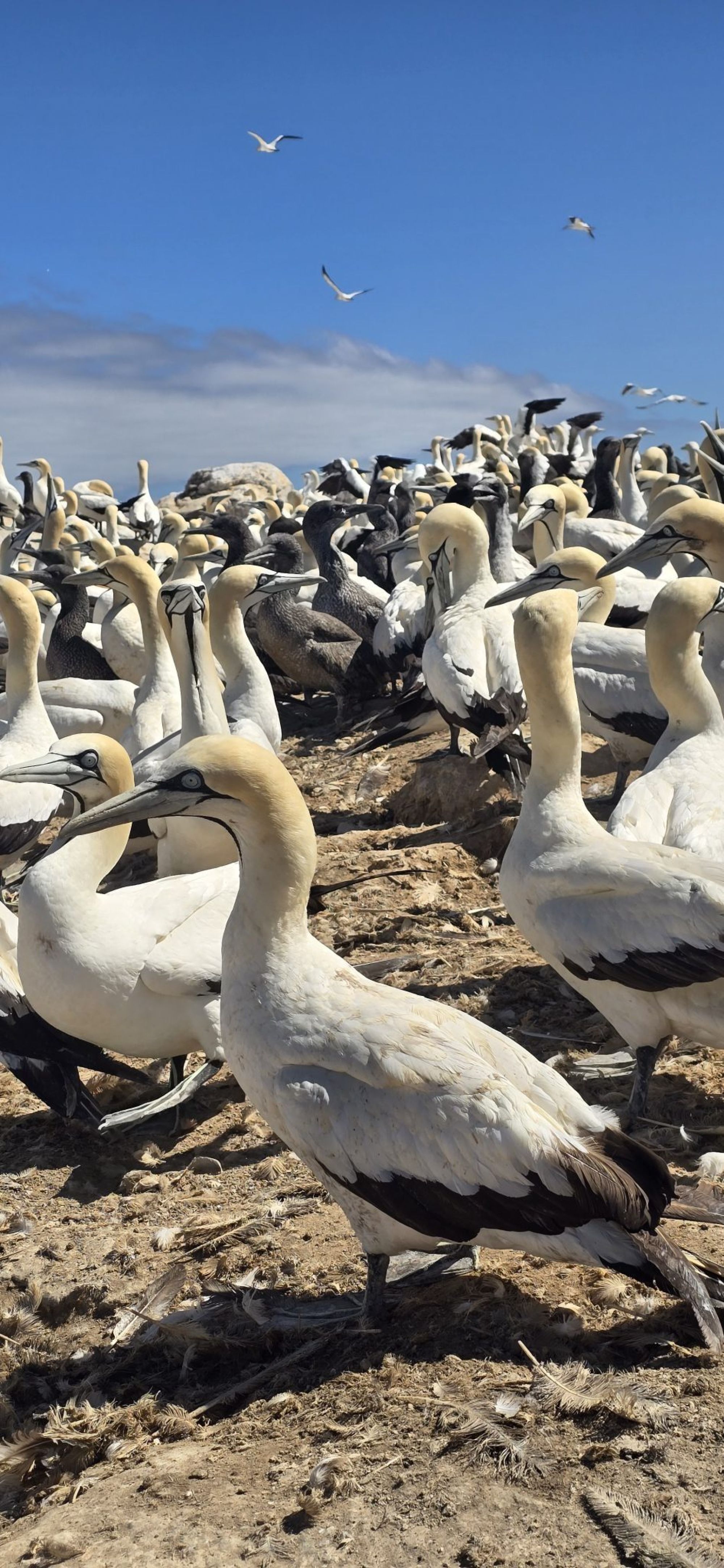
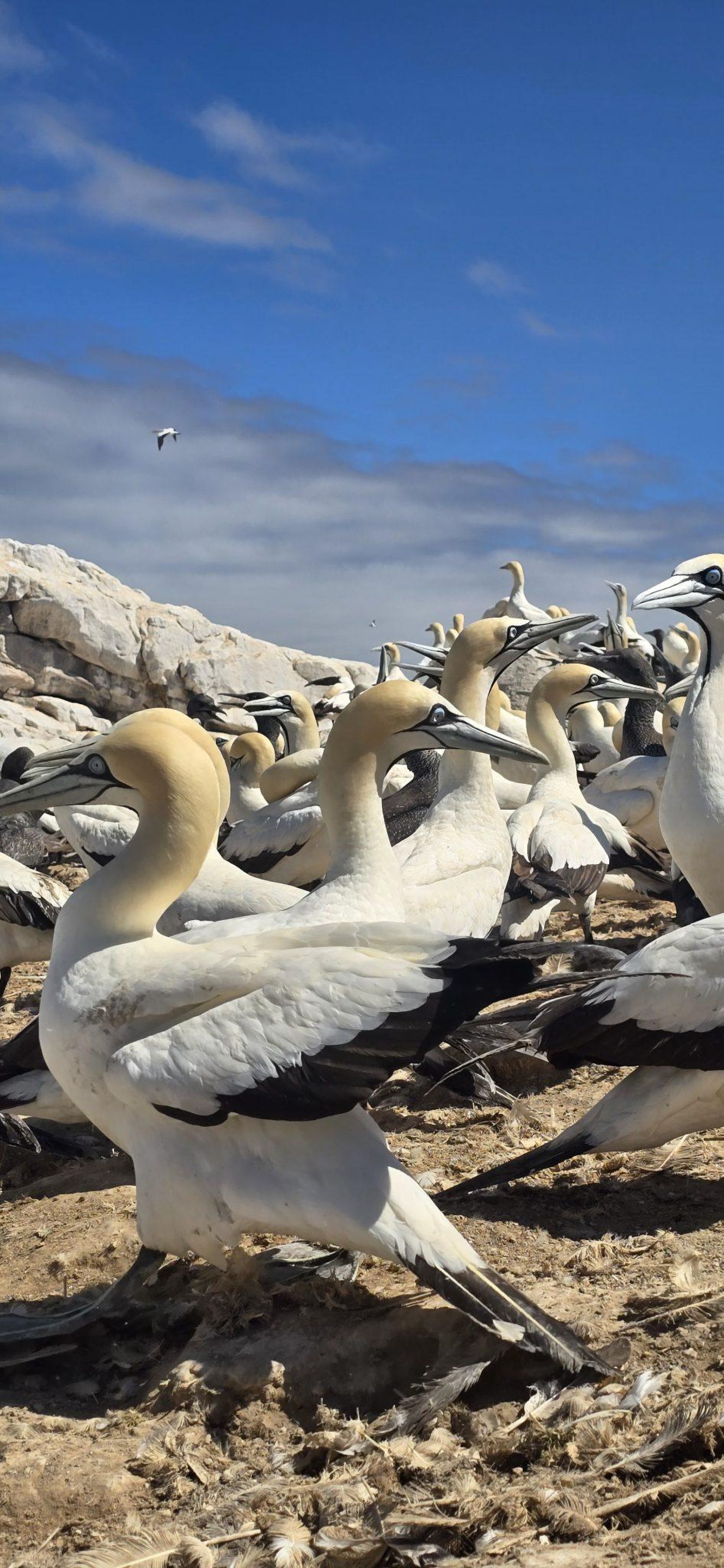
Early indications suggest this could be one of the strongest gannets fledging seasons in several years. To date, 7 647 fledglings have been recorded, with several weeks of the season still to go.
Gannet fledging is one of nature’s most extraordinary events. Young birds leave the safety of the colony to embark on a two- to three-year ocean-wide journey, returning only once they are ready to breed.
In partnership with the Department of Forestry, Fisheries and the Environment (DFFE), rangers have ringed 750 gannet chicks and 250 adult birds this season, contributing valuable data to national seabird research and monitoring programmes.
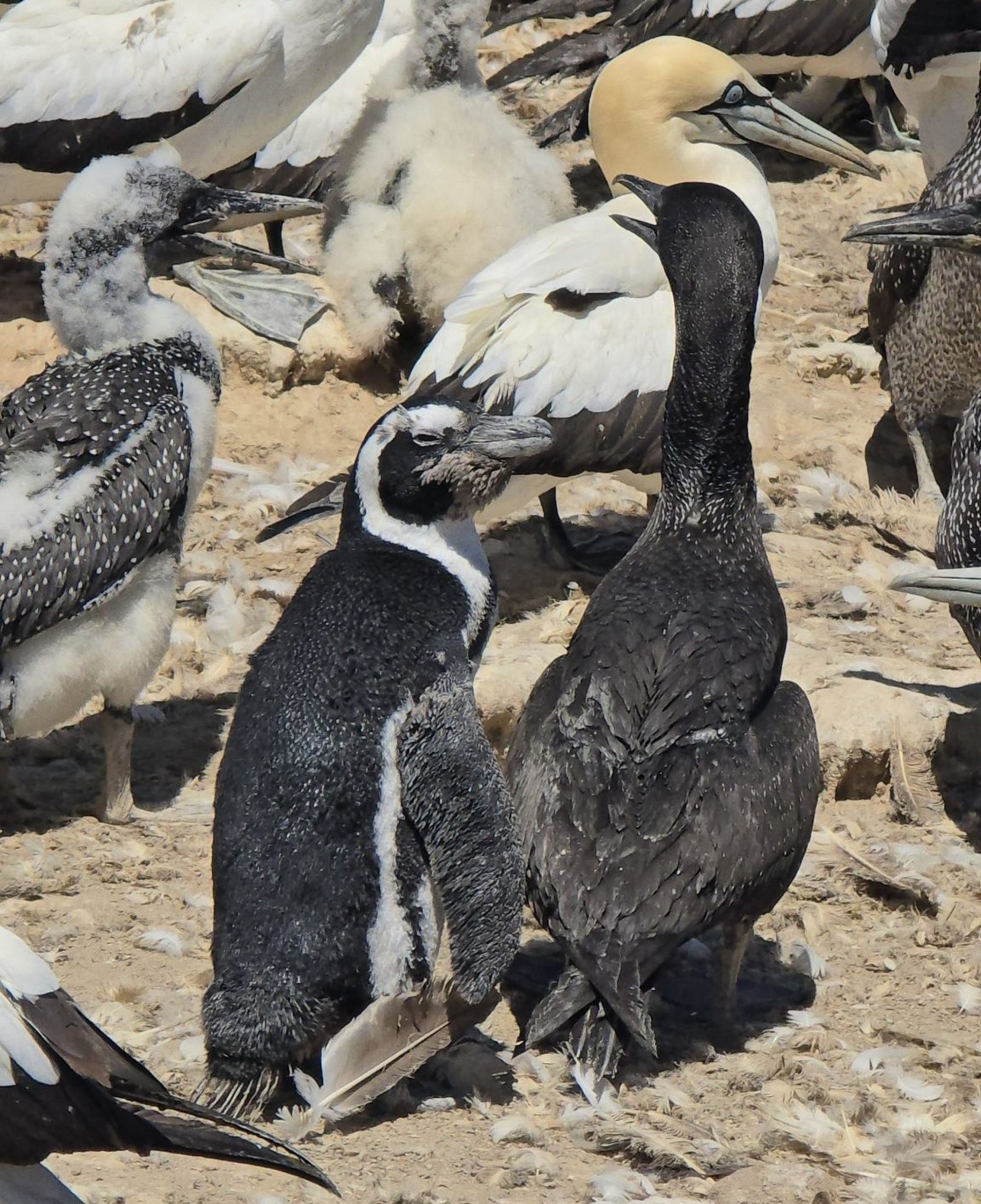
The island remains home to a diverse community of seabirds, including Cape, Crowned and White-breasted Cormorants; Common and Greater Crested Terns; Hartlaub’s Gulls; and Kelp Gulls. Adding a touch of character to the season, a moulting penguin has also taken up temporary residence, sheltering within the gannet colony.
Complementing these conservation efforts, Bird Island’s interpretive signage was updated and launched ahead of last year’s summer tourism season. The signage offers visitors fresh insights into the island’s inhabitants, history, and the role seabird colonies play in marine ecosystems.
With its remarkable seabird encounters, improved visitor facilities, and ongoing research efforts, Bird Island remains a must-see destination for anyone exploring the West Coast, particularly birders and nature enthusiasts eager to witness one of South Africa’s great seabird spectacles.


Related News

WESSA recognises 62 Blue Flags and 19 Green Coast sites as South Africa marks 25 years of coastal stewardship
South Africa’s Blue Flag and Green Coast programmes are entering their next chapter with a renewed focus on environmental stewardship, inclusion, community participation and long-term coastal resilience, as WESSA, the Wildlife and Environment Society of South Africa, celebrates 25 years of Blue Flag in South Africa and its own centenary.

CapeNature visitors invited to support communities through new donation scheme
A visit to a CapeNature nature reserve can help a neighbour in need. From 5 October 2026, guests at three participating nature reserves can bring gently used clothing, blankets and other essential items for local non-profit organisations. The first phase of the donation scheme will run at Grootvadersbosch Nature Reserve near Heidelberg, Kogelberg Nature Reserve near Kleinmond, and Cederberg Wilderness Nature Reserve near Clanwilliam.

Radio network upgrade to strengthen emergency communication in Hangklip area
CapeNature and Overstrand Municipality will install a small radio repeater station near Hangklip Peak as part of an upgrade to the region’s radio communication network. The repeater will strengthen the communication networks used by both parties and improve coverage across the Overstrand municipal area, Kogelberg Nature Reserve, Betty’s Bay Marine Protected Area and parts of the City of Cape Town. Reliable radio communication is essential for the daily operations of

State of Conservation Report 2026 tracks progress and pressures facing Western Cape biodiversity
The Western Cape’s biodiversity is facing mounting pressure, with a sharp increase in the area affected by fires and more ecosystems and species classified as threatened, according to the Western Cape State of Conservation Report 2026. The report records 107 fires that burned 215 936 hectares during the 2025/26 reporting period – almost three times the 75 174 hectares burned by 97 fires in the previous reporting period.

El Niño raises fire risk as Western Cape prepares for a challenging fire season
The Western Cape is preparing for a potentially challenging wildfire season, with the developing El Niño weather pattern expected to contribute to hotter and drier conditions and an increased risk of wildfires across the province. The South African Weather Service has warned of below-normal rainfall associated with the expected strong El Niño during the coming summer season. While El Niño does not automatically mean that every part of the province will experience drought

Cape fur seal safety remains important this World Rabies Day
On World Rabies Day (28 September), CapeNature is reminding residents and visitors to keep a safe distance from Cape fur seals and to act immediately if they or their pets are bitten, scratched or exposed to a seal’s saliva. Rabies has been detected in Cape fur seals along the South African coastline and by the end of 2025, at least 176 people had been bitten by seals. While most seals do not pose a threat to people, they are wild animals and should never be approached, touched, fed or encouraged to interact with humans.