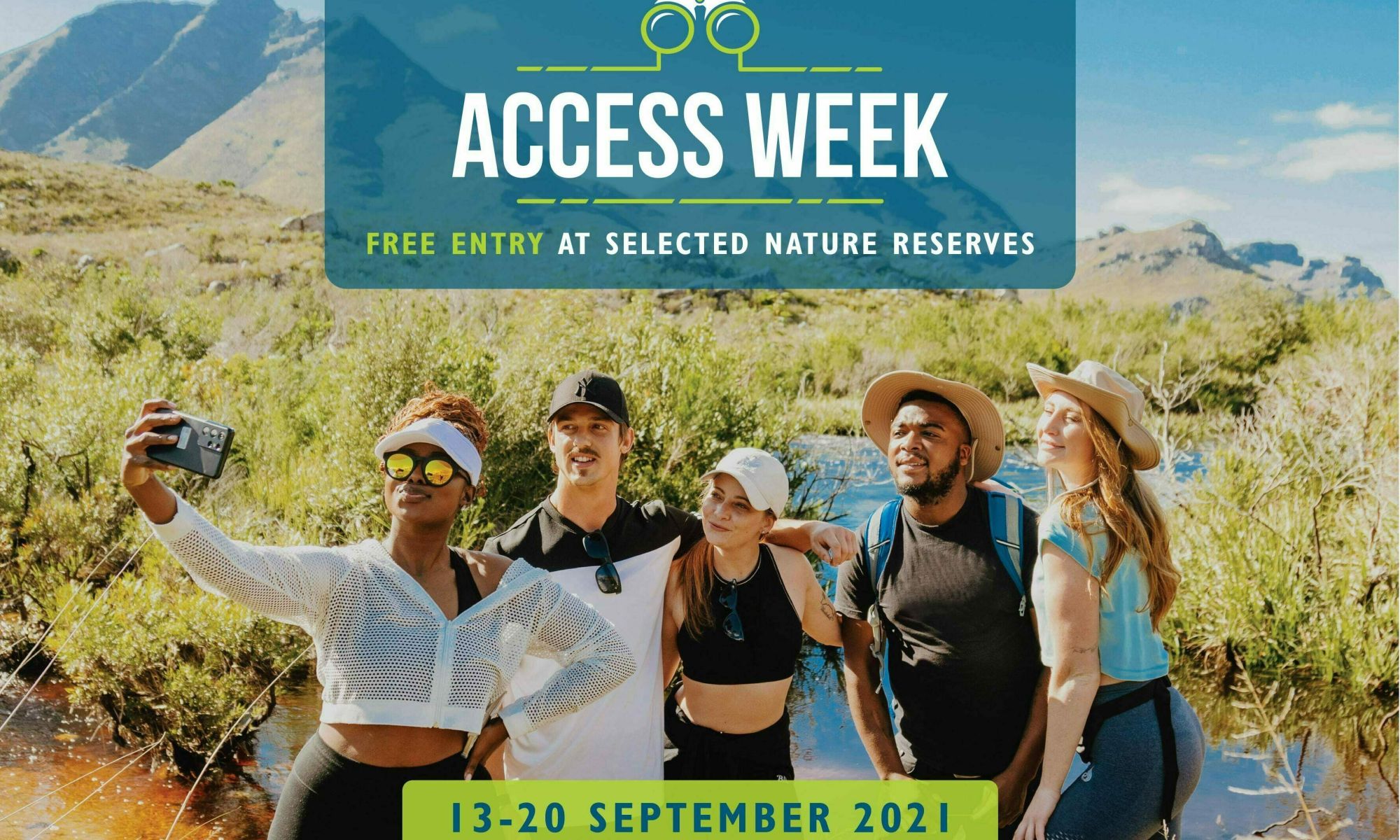
CapeNature offers FREE entry to 22 Nature Reserves
CapeNature offers FREE entry to 22 nature reserves during 7th annual Access Week
September marks Tourism Month and CapeNature invites you to join in the celebrations. The entity will provide free access to the public during its 7th annual Access Week, from 13 - 20 September 2021. In celebration of Heritage Day and Tourism Month, CapeNature offers the public an opportunity to explore their natural heritage at selected reserve destinations. This wonderful once-in-a-year opportunity gives visitors a chance to participate in a number of activities ranging from experiencing historical cultural sites, hiking, picnicking to mountain biking and birdwatching.
Visitors to CapeNature will enjoy free day entry (excluding overnight stays) at reserves ranging from the West Coast to the Winelands, Overberg, Garden Route and the Klein Karoo, as part of the annual promotion.
PARTICIPATING NATURE RESERVES
WEST COAST: Groot Winterhoek, Bird Island, Cederberg, Matjiesrivier, Rocherpan.
WINELANDS: Limietberg, Hottentots Holland, Assegaaibosch (picnic only).
OVERBERG: Kogelberg, Stony Point, De Mond, De Hoop, Marloth, Grootvadersbosch, Walker Bay.
GARDEN ROUTE: Robberg, Keurbooms River, Goukamma, Geelkrans.
KAROO: Swartberg, Gamkaberg, Anysberg.
CapeNature CEO, Dr Razeena Omar added: “I encourage all South Africans to spend a day in nature and explore their natural heritage, free of charge! As part of Tourism Month and Heritage Day celebrations, Access Week provides an opportunity for everyone to enjoy our natural spaces and our unique natural heritage. All health and safety protocols will be in place, including the mandatory wearing of masks.”
The following terms and conditions apply:
- The conservation fee will be waived for visitors to any CapeNature reserve that is open to the public between 13 and 20 September 2021.
- Free access will not apply when booking through the call centre or when making an online booking. This offer excludes accommodation bookings (normal rates and access fees apply with any accommodation booking).
- Free access will pertain to general access (conservation fee) and hiking, mountain biking and other day activities allowed. The waiver will NOT apply to the Whale Trail, select landowners, partners, or concessions (including canopy tours, bouldering, horse riding etc.).
- Zero-rated permits will be given to everyone accessing the reserve during this time, as per the usual standard procedure to ensure that all access numbers and activity numbers are recorded.
Fall in love with nature and your natural heritage this Tourism Month! Visit www.capenature.co.za to learn more and remember to tag us on social media during your visit using the hashtags #LoveNature #AccessWeek and #TourismMonth.
To view a full list of participating #AccessWeek CapeNature reserves, click here.
Related News

Penguin Palooza 2026 returns to Stony Point in support of African Penguin conservation
Stony Point in Betty’s Bay is one of the last known locations on Earth where African Penguins still breed on the mainland, and the species is under growing pressure. On Saturday, 7 November 2026, Penguin Palooza returns to Stony Point Nature Reserve, giving the public a chance to learn about the species and the work CapeNature, SANCCOB and other partners are doing to protect it.

Robberg Nature Reserve named Best Outdoor Activity in 2026 Readers’ Choice Awards
Robberg Nature Reserve named Best Outdoor Activity in 2026 Readers’ Choice Awards. Robberg Nature Reserve has been named the Best Outdoor Activity in the Best of Knysna & Plett Readers’ Choice Awards 2026. The recognition follows months of nominations and voting by communities across Knysna, Plettenberg Bay and Sedgefield, making the award a meaningful reflection of the place Robberg holds in the local community.

CapeNature maintains clean audit record and expands the Western Cape’s Protected Areas
CapeNature's 2025/26 Annual Report shows the Entity added more than 44 000 hectares to the Western Cape conservation estate over the year. The additions extend protection across mountain catchments that feed the province's water supply, guarding them against the invasive plant growth and wildfire risk that threaten water security. Ultimately the protected areas expansion improves our ability to conserve the rich and unique Western Cape biodiversity.

WESSA recognises 62 Blue Flags and 19 Green Coast sites as South Africa marks 25 years of coastal stewardship
South Africa’s Blue Flag and Green Coast programmes are entering their next chapter with a renewed focus on environmental stewardship, inclusion, community participation and long-term coastal resilience, as WESSA, the Wildlife and Environment Society of South Africa, celebrates 25 years of Blue Flag in South Africa and its own centenary.

CapeNature visitors invited to support communities through new donation scheme
A visit to a CapeNature nature reserve can help a neighbour in need. From 5 October 2026, guests at three participating nature reserves can bring gently used clothing, blankets and other essential items for local non-profit organisations. The first phase of the donation scheme will run at Grootvadersbosch Nature Reserve near Heidelberg, Kogelberg Nature Reserve near Kleinmond, and Cederberg Wilderness Nature Reserve near Clanwilliam.

Radio network upgrade to strengthen emergency communication in Hangklip area
CapeNature and Overstrand Municipality will install a small radio repeater station near Hangklip Peak as part of an upgrade to the region’s radio communication network. The repeater will strengthen the communication networks used by both parties and improve coverage across the Overstrand municipal area, Kogelberg Nature Reserve, Betty’s Bay Marine Protected Area and parts of the City of Cape Town. Reliable radio communication is essential for the daily operations of