
CapeNature command and control shines at IMT exercise
When a large veld fire breaks out, it’s not just physical stamina that is needed, command, control, and decision-making are all necessary. It is in these high-pressure moments that Incident Management Teams (IMTs) prove their worth, and thanks to a recent intensive training exercise, CapeNature’s capacity to lead these teams has been strengthened.
From 17-20 February 2026, CapeNature took a prominent role in the annual IMT Scenario Based Training Exercise (SBTE). Held over four days, this rigorous programme is designed to accredit firefighters with International Fire Service Accreditation Congress (IFSAC) status, a global benchmark in fire management expertise.
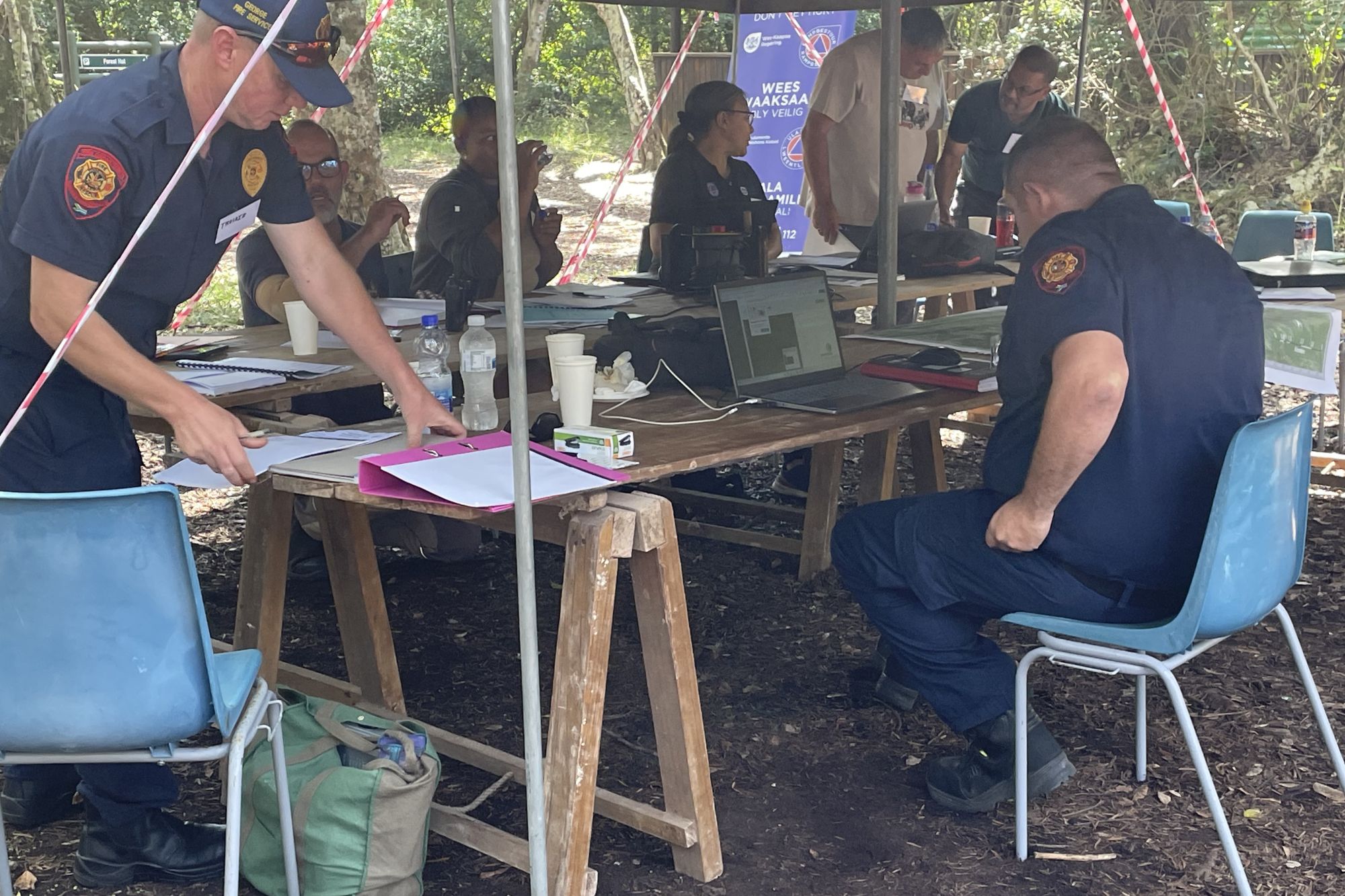
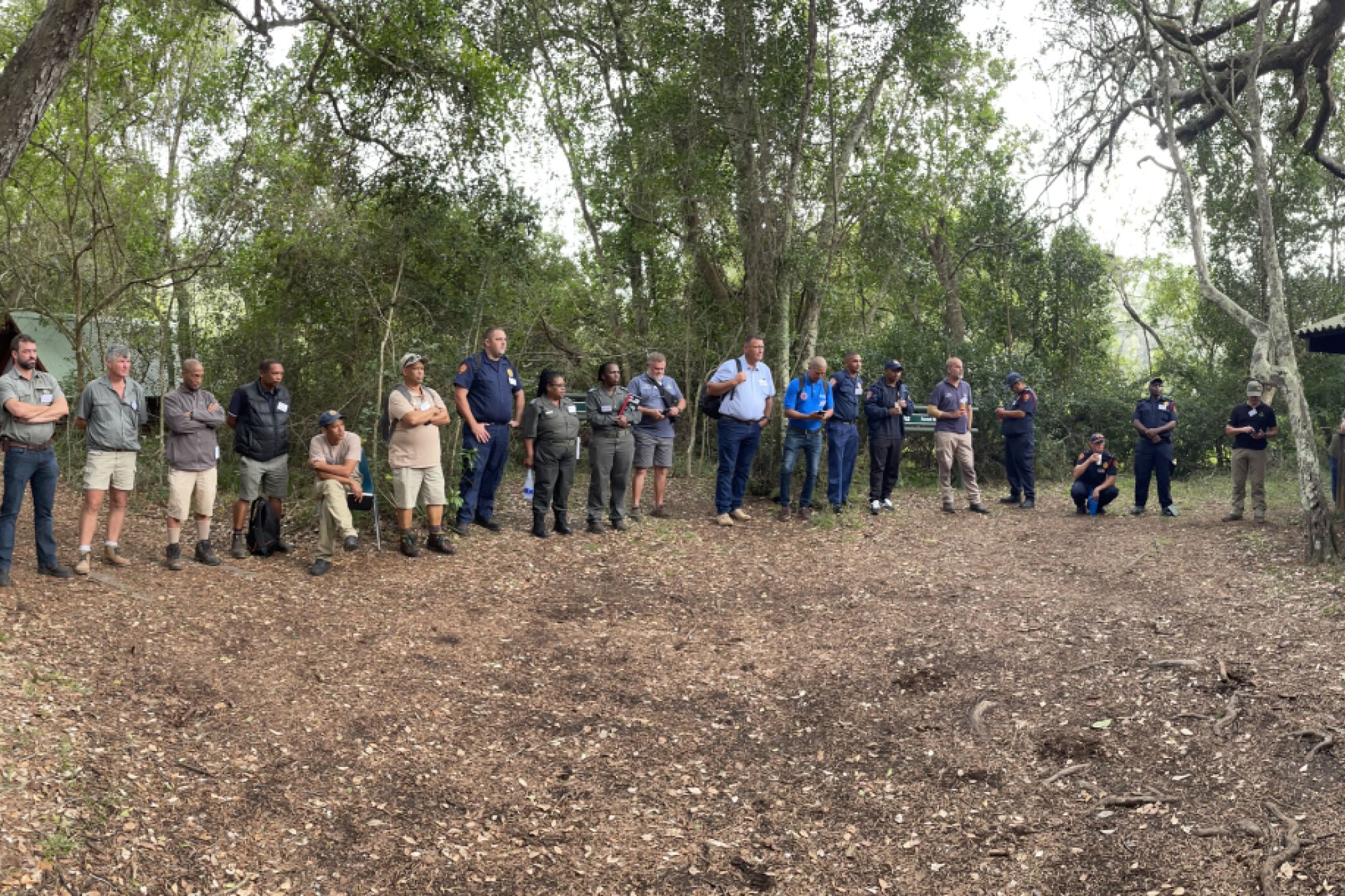
The exercise, hosted by the Provincial Disaster Management Centre, brought together 30 trainees and 11 Cadres (trainers) from a wide range of partners, including District and Local Municipalities, Fire Protection Agencies (FPAs), Working on Fire (WoF), and the Disaster Management Centre. Together, they formed two IMTs tasked with navigating a complex, simulated fire incident from start to finish.
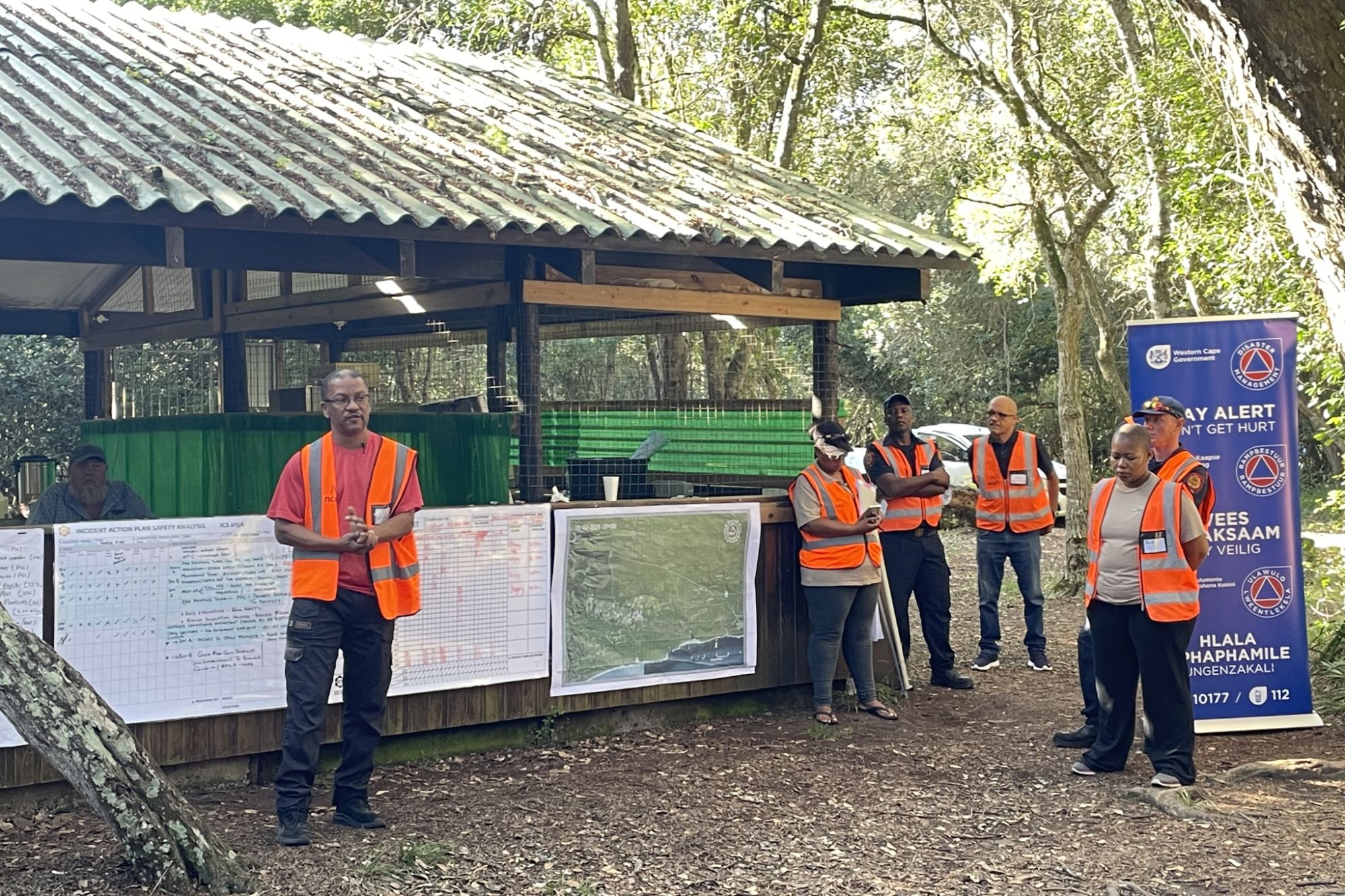
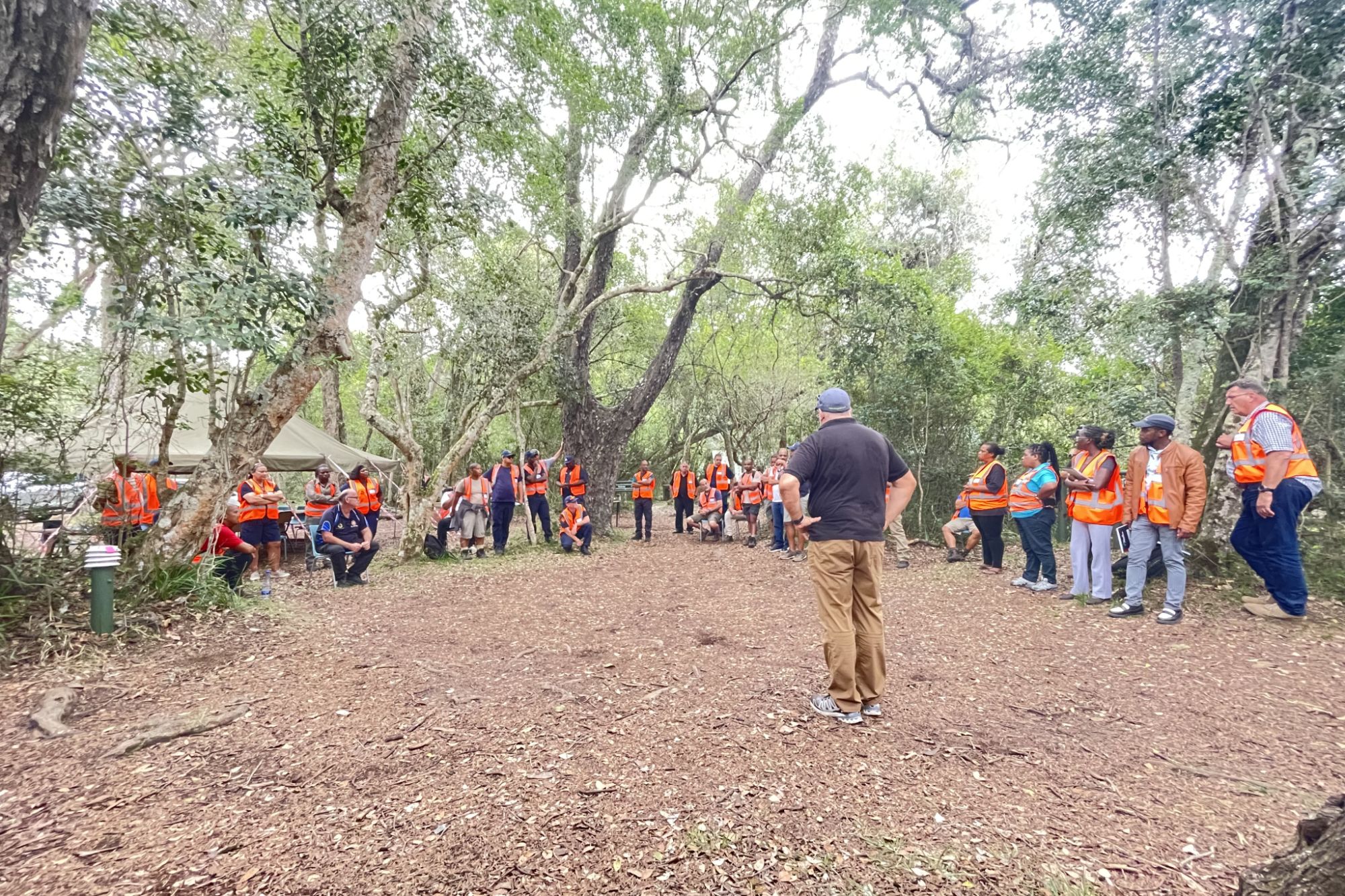
CapeNature demonstrated its commitment to building leadership capacity by sending nine representatives to participate. However, what truly set this exercise apart was the dual role played by our own staff. Not only did we have staff on the ground learning, but we also had two of our own experts lead the training. Deon Rossouw and Patrick Shone, both of whom hold full Incident Command System training certification, served as Cadres during the event. In this capacity, they were responsible for mentoring, coaching, and assessing the 30 participants, guiding them through the five critical modules of incident management.
The presence of Deon and Patrick on the training team provided immense value, particularly for the CapeNature candidates. Having mentors who understand the specific landscapes, operational contexts, and strategic goals of our Entity was a gamechanger.
They were able to bridge the gap between textbook incident command and the practical realities our teams face on the ground. Their guidance ensured that the four CapeNature candidates selected for formal assessment—out of only six total candidates in the entire exercise—were exceptionally well-prepared. These assessments were conducted by the City of Cape Town, and the four candidates now await only a written exam in the coming weeks to receive their full IFSAC accreditation.
The programme specifically targets firefighters currently in leadership roles or those identified to fill leadership positions in the future. By the end of this process, four CapeNature staff members will be fully accredited by IFSAC, qualifying them to form part of any Incident Management Team in South Africa. This achievement is a significant milestone. It means CapeNature now has its own certified personnel to represent the organisation at large, complex incidents, ensuring our voice and expertise are at the table when multi-agency responses are co-ordinated.
It also highlights the deep well of talent within the Entity. The fact that CapeNature staff are recognised as subject matter experts and are trusted to train external partners speaks volumes about the high level of fire management proficiency within our ranks. They are not just participants in the fire management community—they are leaders shaping its future.
Related News

WESSA recognises 62 Blue Flags and 19 Green Coast sites as South Africa marks 25 years of coastal stewardship
South Africa’s Blue Flag and Green Coast programmes are entering their next chapter with a renewed focus on environmental stewardship, inclusion, community participation and long-term coastal resilience, as WESSA, the Wildlife and Environment Society of South Africa, celebrates 25 years of Blue Flag in South Africa and its own centenary.

CapeNature visitors invited to support communities through new donation scheme
A visit to a CapeNature nature reserve can help a neighbour in need. From 5 October 2026, guests at three participating nature reserves can bring gently used clothing, blankets and other essential items for local non-profit organisations. The first phase of the donation scheme will run at Grootvadersbosch Nature Reserve near Heidelberg, Kogelberg Nature Reserve near Kleinmond, and Cederberg Wilderness Nature Reserve near Clanwilliam.

Radio network upgrade to strengthen emergency communication in Hangklip area
CapeNature and Overstrand Municipality will install a small radio repeater station near Hangklip Peak as part of an upgrade to the region’s radio communication network. The repeater will strengthen the communication networks used by both parties and improve coverage across the Overstrand municipal area, Kogelberg Nature Reserve, Betty’s Bay Marine Protected Area and parts of the City of Cape Town. Reliable radio communication is essential for the daily operations of

State of Conservation Report 2026 tracks progress and pressures facing Western Cape biodiversity
The Western Cape’s biodiversity is facing mounting pressure, with a sharp increase in the area affected by fires and more ecosystems and species classified as threatened, according to the Western Cape State of Conservation Report 2026. The report records 107 fires that burned 215 936 hectares during the 2025/26 reporting period – almost three times the 75 174 hectares burned by 97 fires in the previous reporting period.

El Niño raises fire risk as Western Cape prepares for a challenging fire season
The Western Cape is preparing for a potentially challenging wildfire season, with the developing El Niño weather pattern expected to contribute to hotter and drier conditions and an increased risk of wildfires across the province. The South African Weather Service has warned of below-normal rainfall associated with the expected strong El Niño during the coming summer season. While El Niño does not automatically mean that every part of the province will experience drought

Cape fur seal safety remains important this World Rabies Day
On World Rabies Day (28 September), CapeNature is reminding residents and visitors to keep a safe distance from Cape fur seals and to act immediately if they or their pets are bitten, scratched or exposed to a seal’s saliva. Rabies has been detected in Cape fur seals along the South African coastline and by the end of 2025, at least 176 people had been bitten by seals. While most seals do not pose a threat to people, they are wild animals and should never be approached, touched, fed or encouraged to interact with humans.