
Western Cape adds over 81 902 hectares of new nature reserves in the past year
The Western Cape has added over 25 new nature reserves to its Protected Area network, securing more than 81 902 hectares of ecologically significant land for long-term conservation. Declared between April 2025 and March 2026, these new reserves strengthen the province’s efforts to protect important landscapes, species, and vegetation types.
The reserves span diverse regions, including the Cederberg, Agulhas Plain, Little Karoo, and Garden Route, and range from small properties to expansive mountain and lowland areas. Through CapeNature’s Biodiversity Stewardship Programme, landowners can voluntarily commit to having their land formally declared as a Protected Area and nature reserve.
Each declaration contributes to the province’s long-term environmental commitments and supports efforts aligned with the Global Biodiversity Framework 30x30 goals – an initiative aimed at formally protecting 30% of the planet’s land and oceans by 2030.
The Cape Floristic Region is one of 36 recognised global biodiversity hotspots. These hotspots are regions that have high levels of biodiversity, but that are also the most threatened reservoirs of plant and animal life on earth. Healthy and resilient ecosystems are essential to sustain livelihoods and economic growth and must be actively protected, managed, and restored. Our ability to declare these additional reserves is made possible through partner organisations and landowners, working with CapeNature.
Dr Ashley Naidoo, CEO of CapeNature, said the declarations are made possible thanks to landowners who work alongside conservation agencies and the Western Cape Government.
Their commitment ensures that important natural areas receive formal protection, and together we are taking steps toward securing a healthier, more resilient environment for decades to come.
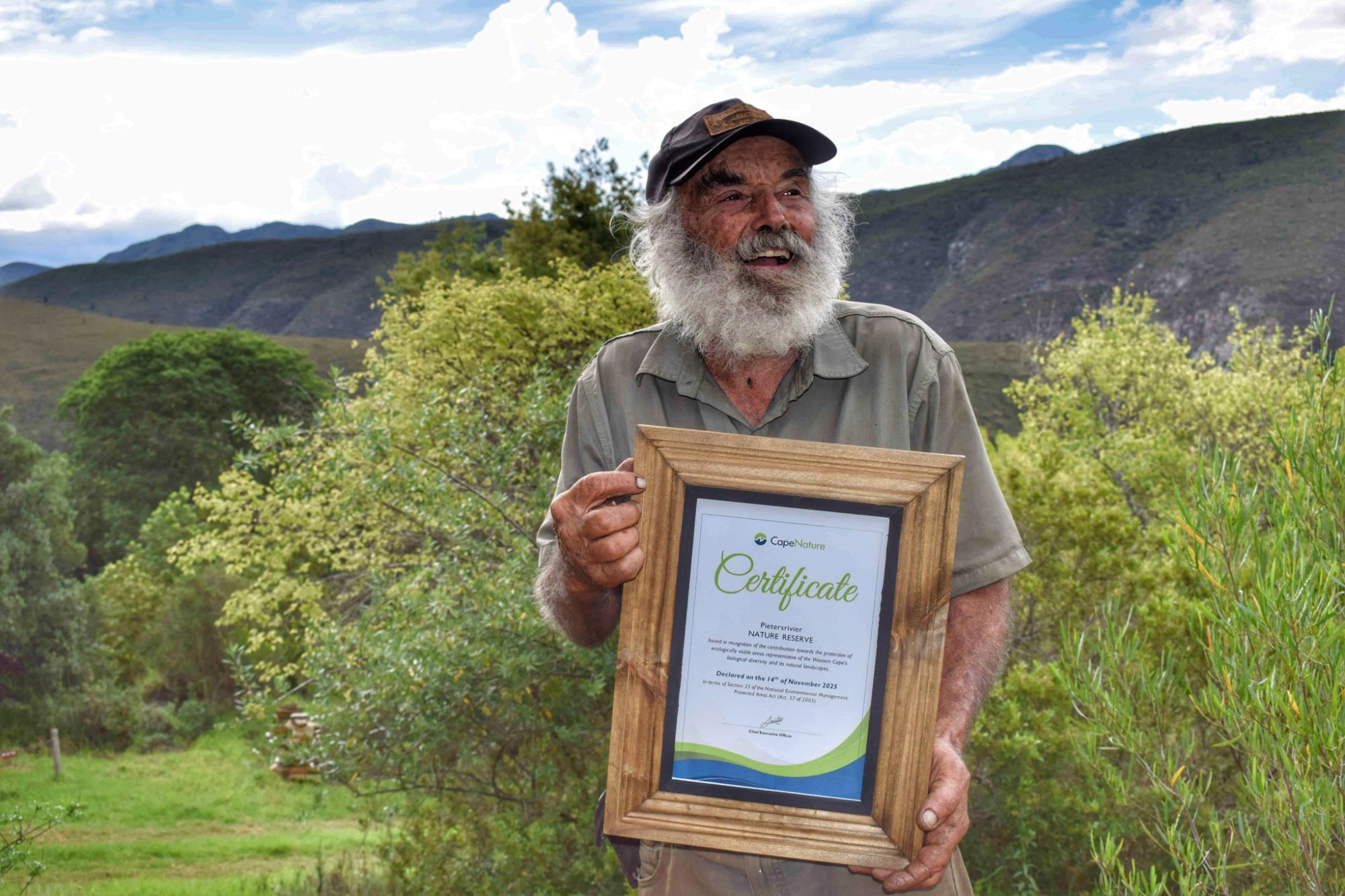
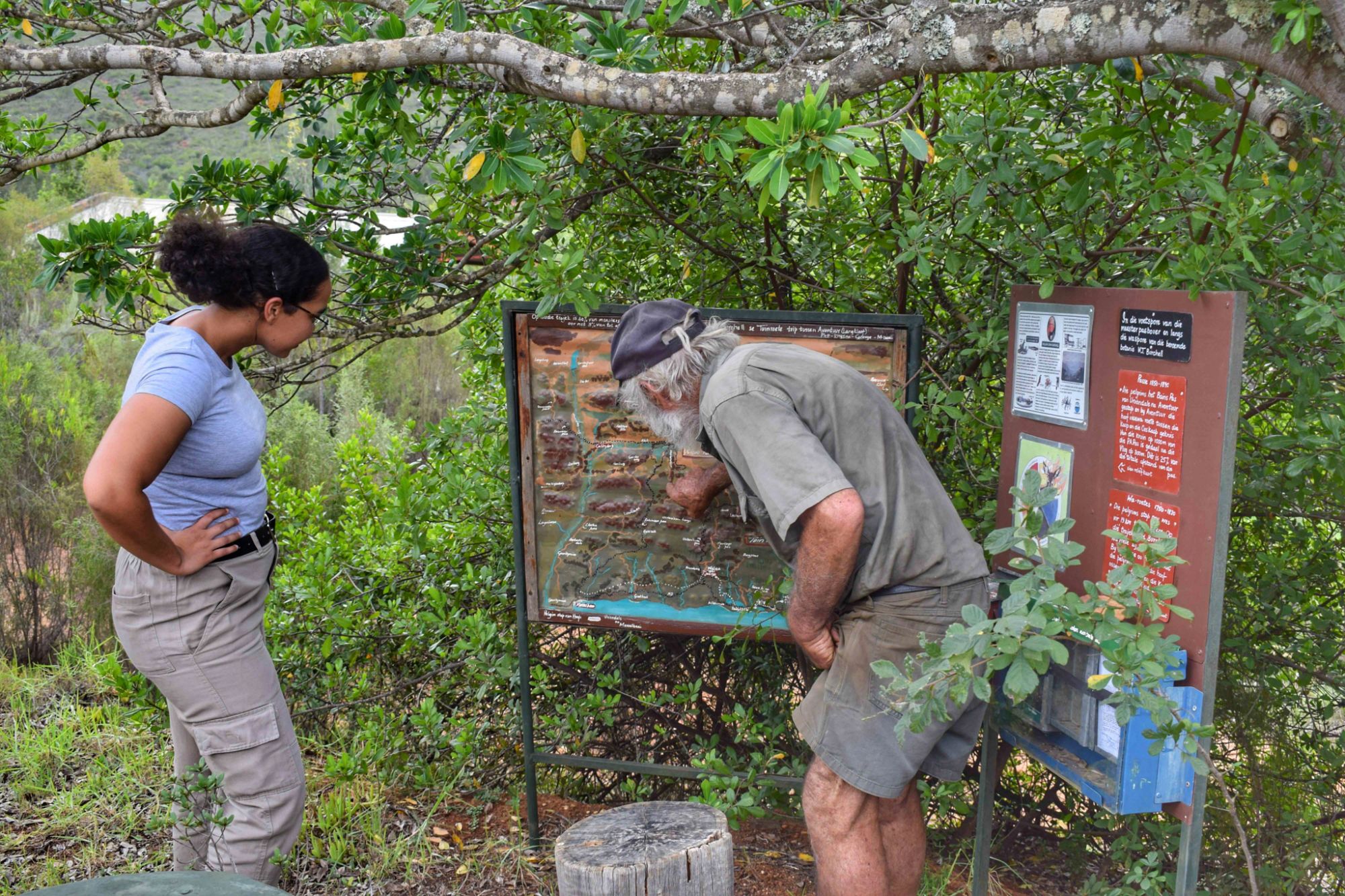
Most of these reserves are privately owned, while Anysberg Nature Reserve and Knersvlakte Nature Reserve are managed by CapeNature and have been expanded. Public access will be determined in line with land-use and conservation requirements. For information on visiting privately managed reserves, the public is advised to contact the respective reserve directly.
If you are a landowner interested in making a difference for conservation in the Western Cape, reach out to CapeNature’s Stewardship Team at wcpaes2025@capenature.co.za to begin the process of formally protecting your property today.
Summary of newly declared Nature Reserves
| Nature Reserve | Hectares |
|---|---|
| Anysberg Nature Reserve (expansion) | 6 918.3081 ha |
| Bloutoring Nature Reserve | 4 610.8996 ha |
| Buffalo Valley Nature Reserve | 318.3445 ha |
| Cedar Rock Nature Reserve | 9 872.7000 ha |
| Cederberg Oasis Nature Reserve | 226.664 ha |
| Diosma Nature Reserve | 10.7664 ha |
| Doringkloof Karoo Plaas Nature Reserve | 209.2027 ha |
| Franco Three Fountains | 21.4250 ha |
| Fynbosstrand Nature Reserve | 425.6964 ha |
| Gecko Rock Private Nature Reserve | 3 658.0296 ha |
| Haarwegskloof | 547.7954 ha |
| Kleiheuwel Nature Reserve | 2 724.5000 ha |
| Knersvlakte Nature Reserve (expansion) | 34 084.3925 ha |
| Koopmanskloof Nature Reserve | 65.5074 ha |
| Lettas Kraal Nature Reserve | 6 922.6114 ha |
| Machaseh Nature Reserve | 844.8371 ha |
| Mount David Nature Reserve | 713.0000 ha |
| Pietersrivier Nature Reserve | 1 151.2790 ha |
| Puntjie Nature Reserve | 102.1145 ha |
| Silflay Renosterveld Nature Reserve | 1 280.6129 ha |
| Voorstekop Nature Reserve | 347.9000 ha |
| Waterkloof Nature Reserve | 2 062.9245 ha |
| Wilderness | 643.6419 ha |
| Zebraskop Nature Reserve | 3 952.2036 ha |
| Bojaansklip Nature Reserve | 186.7173 ha |
| TOTAL AREA | 81 902.0738 hectares |
Related News

Penguin Palooza 2026 returns to Stony Point in support of African Penguin conservation
Stony Point in Betty’s Bay is one of the last known locations on Earth where African Penguins still breed on the mainland, and the species is under growing pressure. On Saturday, 7 November 2026, Penguin Palooza returns to Stony Point Nature Reserve, giving the public a chance to learn about the species and the work CapeNature, SANCCOB and other partners are doing to protect it.

Robberg Nature Reserve named Best Outdoor Activity in 2026 Readers’ Choice Awards
Robberg Nature Reserve named Best Outdoor Activity in 2026 Readers’ Choice Awards. Robberg Nature Reserve has been named the Best Outdoor Activity in the Best of Knysna & Plett Readers’ Choice Awards 2026. The recognition follows months of nominations and voting by communities across Knysna, Plettenberg Bay and Sedgefield, making the award a meaningful reflection of the place Robberg holds in the local community.

CapeNature maintains clean audit record and expands the Western Cape’s Protected Areas
CapeNature's 2025/26 Annual Report shows the Entity added more than 44 000 hectares to the Western Cape conservation estate over the year. The additions extend protection across mountain catchments that feed the province's water supply, guarding them against the invasive plant growth and wildfire risk that threaten water security. Ultimately the protected areas expansion improves our ability to conserve the rich and unique Western Cape biodiversity.

WESSA recognises 62 Blue Flags and 19 Green Coast sites as South Africa marks 25 years of coastal stewardship
South Africa’s Blue Flag and Green Coast programmes are entering their next chapter with a renewed focus on environmental stewardship, inclusion, community participation and long-term coastal resilience, as WESSA, the Wildlife and Environment Society of South Africa, celebrates 25 years of Blue Flag in South Africa and its own centenary.

CapeNature visitors invited to support communities through new donation scheme
A visit to a CapeNature nature reserve can help a neighbour in need. From 5 October 2026, guests at three participating nature reserves can bring gently used clothing, blankets and other essential items for local non-profit organisations. The first phase of the donation scheme will run at Grootvadersbosch Nature Reserve near Heidelberg, Kogelberg Nature Reserve near Kleinmond, and Cederberg Wilderness Nature Reserve near Clanwilliam.

Radio network upgrade to strengthen emergency communication in Hangklip area
CapeNature and Overstrand Municipality will install a small radio repeater station near Hangklip Peak as part of an upgrade to the region’s radio communication network. The repeater will strengthen the communication networks used by both parties and improve coverage across the Overstrand municipal area, Kogelberg Nature Reserve, Betty’s Bay Marine Protected Area and parts of the City of Cape Town. Reliable radio communication is essential for the daily operations of